What Over the Counter Blood Circulation Pills Can Actually Do

The most useful over the counter blood circulation pills support blood-vessel function rather than cure blocked arteries, blood clots, vein disease, or erectile dysfunction. Options with the most plausible evidence include L-citrulline or L-arginine for nitric oxide support, beetroot for dietary nitrates, omega-3 fatty acids for heart health, and vitamins or minerals when a true deficiency is present.
These supplements may help blood vessels relax, support the endothelial lining inside arteries, or reduce factors that strain circulation. But results are often modest, and a pill is not a substitute for treating peripheral artery disease, venous insufficiency, high blood pressure, diabetes, or new erectile dysfunction.
The practical approach is simple:
- Start with daily walking, strength training, hydration, a Mediterranean-style eating pattern, and not smoking.
- Choose one evidence-informed supplement based on your goal and medications.
- Ask a clinician or pharmacist before using nitric-oxide boosters, ginkgo, high-dose niacin, or any product marketed for sexual performance.
- Seek urgent care for chest pain, sudden one-sided leg swelling, severe calf pain, shortness of breath, or sudden speech or vision changes.
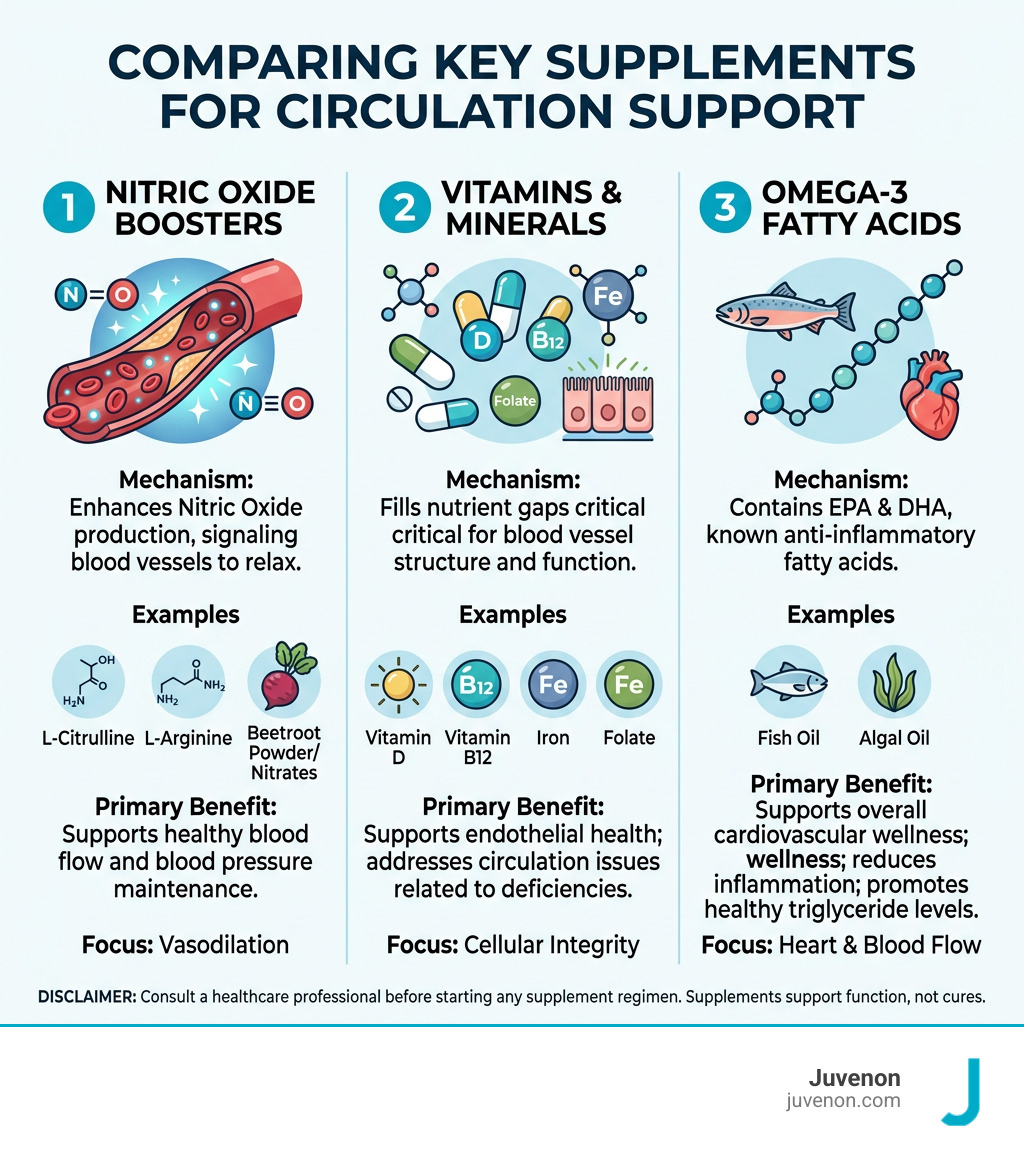
Key over-the-counter blood circulation pills vocabulary:
The Most Effective Over-the-Counter Blood Circulation Pills and How They Work
To understand how non-prescription circulation aids work, we first need to look at the endothelium. The endothelium is the delicate, single-cell layer lining every blood vessel in your body. It acts like an intelligent air traffic controller for your circulatory system, producing chemical signals that tell vascular smooth muscle cells when to expand (vasodilation) and when to tighten (vasoconstriction).
When we age, our vascular endothelium naturally produces less nitric oxide (NO). In fact, research shows that by age 60, arterial walls become less pliable and natural nitric oxide synthesis can drop by as much as 40%. This decline leads to reduced arterial compliance, sluggish microvascular blood flow, and cold extremities.
Non-prescription circulation pills generally target three primary physiological pathways:
- Nitric Oxide Upregulation: Supplying precursor substrates (like amino acids) or inorganic nitrates (from botanicals) to stimulate immediate and sustained vasodilation.
- Endothelial Protection and Anti-Inflammation: Using antioxidants to prevent free radicals from degrading NO before it reaches vascular muscle tissue.
- Blood Viscosity and Microvascular Integrity: Reducing platelet stickiness and reinforcing structural vein walls to support smooth capillary transit.
| Active Ingredient | Primary Mechanism of Action | Evidence-Based Daily Dosage | Primary Target Area |
|---|---|---|---|
| L-Citrulline | Nitric oxide synthesis via renal conversion to arginine | 1,500 – 3,000 mg | Whole-body arteries, pelvic blood flow |
| L-Arginine | Direct nitric oxide synthase (eNOS) substrate | 3,000 – 6,000 mg | Endothelial relaxation, arterial tone |
| Beetroot Extract | Nitrate-nitrite-nitric oxide pathway | 500 – 1,000 mg extract (or 70 ml juice) | Muscle tissue perfusion, blood pressure |
| Omega-3 (EPA/DHA) | Lowers triglycerides, reduces platelet aggregation | 1,000 – 2,000 mg combined | Cardiovascular system, cerebral vessels |
| Ginkgo Biloba | Terpenoids & flavonoids enhance microcirculation | 120 – 240 mg standardized extract | Ocular, cerebral, and peripheral capillaries |
| Diosmin & Hesperidin | Bioflavonoids that improve venous tone & lymphatic drainage | 500 – 1,000 mg | Lower legs, ankles, vein valves |
For a broader breakdown of evidence-backed options, check out our Circulation Supplements Ultimate Guide 2026 to see how these ingredients stack up in clinical settings.
Amino Acids in Over-the-Counter Blood Circulation Pills: L-Arginine vs. L-Citrulline
When scouring pharmacy shelves for blood flow formulas, you will almost certainly see L-arginine and L-citrulline at the top of the ingredient lists. While both are amino acids that fuel the production of nitric oxide, their pharmacokinetics inside your body are completely different.
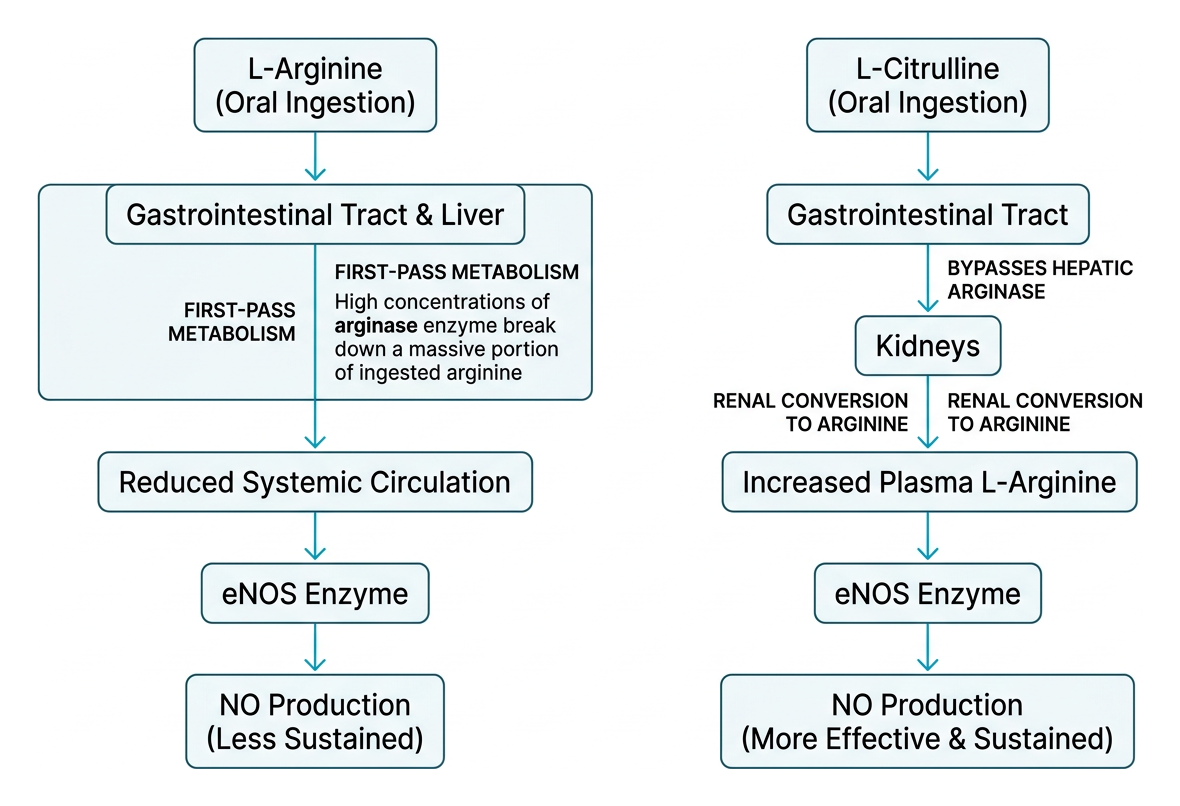
L-arginine is the direct substrate that the enzyme endothelial nitric oxide synthase (eNOS) uses to make nitric oxide. Taking oral L-arginine sounds like the most logical approach, but there is a catch: the digestive tract and liver contain high concentrations of the enzyme arginase. This enzyme breaks down a massive portion of ingested L-arginine before it ever reaches systemic circulation—a challenge often highlighted in discussions on Dietary Supplements for Blood Flow. To overcome this "first-pass metabolism," clinical studies typically require massive doses of 3 to 6 grams daily, which can occasionally trigger gastrointestinal upset.
L-citrulline, on the other hand, bypasses hepatic arginase breakdown entirely. Once absorbed in the gut, your kidneys efficiently convert L-citrulline into plasma L-arginine. Clinical trials consistently show that oral L-citrulline actually elevates blood arginine levels more effectively and sustains them longer than taking pure L-arginine itself. For individuals looking to support healthy blood pressure and smooth vessel relaxation, L-citrulline (or a balanced blend combining both) is often the superior choice.
Plant-Based Vasodilators: Beetroot, Ginkgo Biloba, and Bioflavonoids
Mother Nature produces some remarkably potent vascular compounds. Botanical extracts operate through distinct, complementary pathways that do not rely entirely on the body's internal eNOS enzyme system:

- Beetroot (Beta vulgaris): Rich in inorganic dietary nitrates ($NO3^-$). When you consume beetroot, oral bacteria reduce nitrates into nitrites ($NO2^-$), which stomach acid and vascular tissues convert directly into nitric oxide. This pathway works even in low-oxygen or acidic conditions where typical enzyme pathways struggle, making beetroot a favorite for athletic endurance and muscular blood delivery.
- Ginkgo Biloba: Standardized extracts contain ginkgo flavone glycosides and terpene lactones. We frequently explore Ginkgo Biloba for Circulation because it reduces platelet clumping and supports blood flow through the smallest ocular and cerebral capillary networks.
- Bioflavonoids (Diosmin, Hesperidin, and Rutin): Citrus-derived bioflavonoids do not just relax arteries—they strengthen venous walls and reduce capillary hyperpermeability. This makes them especially useful for addressing swelling and heaviness in the lower limbs.
Essential Vitamins and Minerals for Endothelial Support
A complete vascular strategy must also supply the foundational micronutrients your vascular lining requires to maintain its structural flexibility.
- Vitamin D3: Research, including a prominent 2020 study, confirms that vitamin D deficiency is strongly associated with endothelial dysfunction and higher rates of erectile difficulty. Vitamin D receptors sit directly on vascular smooth muscle, where the vitamin regulates local inflammation and nitric oxide release.
- Omega-3 Fatty Acids (Fish Oil): Providing 1,000 to 2,000 mg of combined EPA and DHA daily supports vascular compliance by keeping cell membranes flexible and reducing inflammatory eicosanoids. Explore our dedicated analysis on Fish Oil Circulation for clinical dosing insights.
- B-Complex Vitamins (B6, Folate/B9, and B12): These vitamins serve as critical cofactors in the methylation cycle, breaking down homocysteine. Elevated blood homocysteine damages delicate arterial walls and accelerates plaque buildup.
- Niacin (Vitamin B3): Niacin supports healthy lipid profiles and may help reduce vascular inflammation associated with atherosclerosis. While high-dose niacin causes a harmless but uncomfortable cutaneous flush (capillary dilation in the skin), newer cellular energy nutrients like Nicotinamide Riboside and protocols discussed in our NAD Supplement Complete Guide 2026 are gaining traction for long-term vascular cellular vitality.
- Antioxidant Vitamins C and E: Vitamin C protects eNOS from oxidative degradation, while vitamin E inhibits lipid peroxidation within blood vessel membranes. Discover more about targeted arterial nutrients in our guide to Supplements for Blood Vessels.
How Non-Prescription Formulas Support Whole-Body Blood Flow
Your circulatory system is an integrated closed loop measuring more than 60,000 miles in length. When you take non-prescription vascular supplements, the active nutrients do not travel to just one specific body part; they enter systemic circulation, optimizing vascular tone across major central arteries, peripheral microvessels, and pelvic pathways simultaneously.
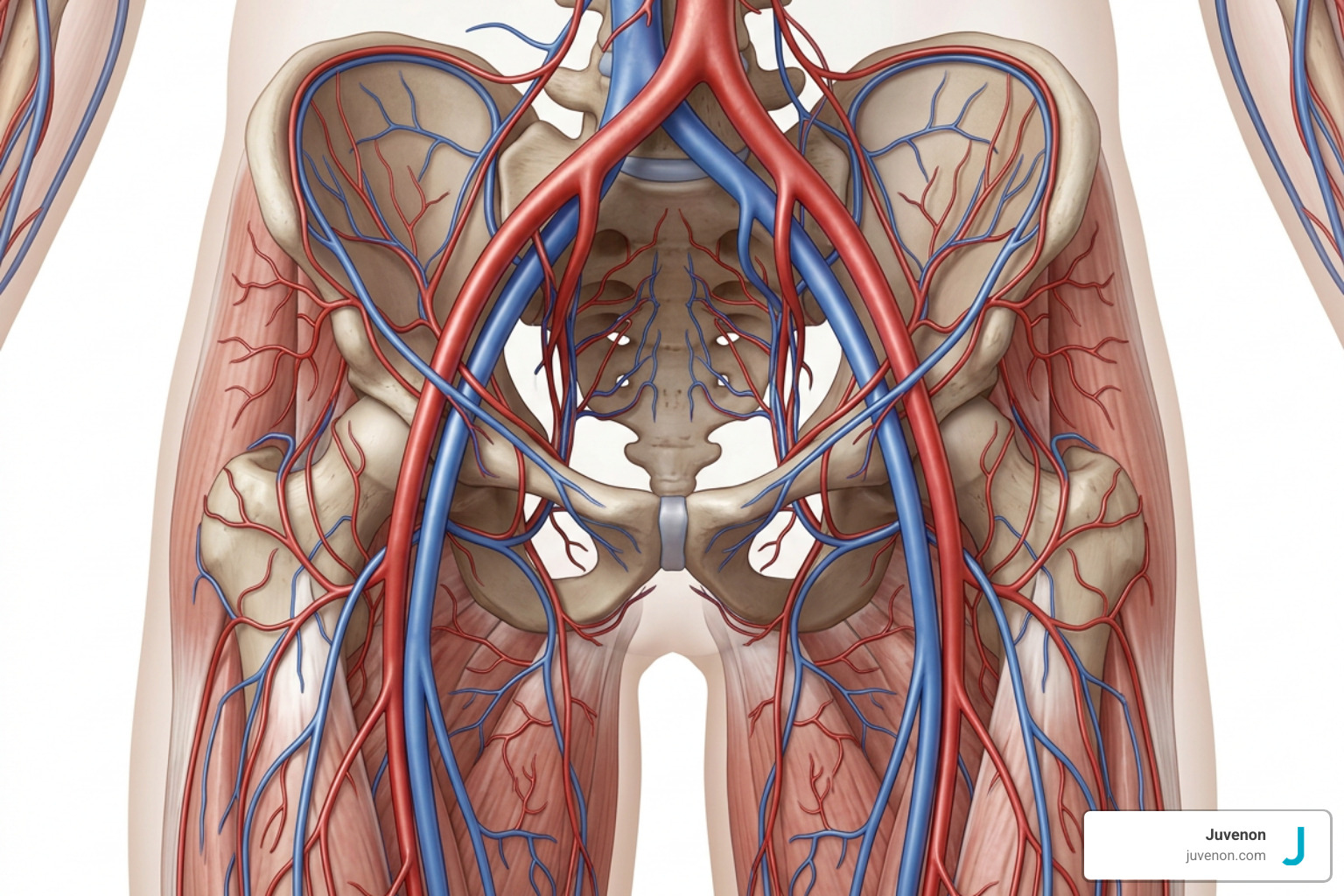
Vascular health is systemic. When endothelial function improves, the benefits ripple across multiple systems: your brain receives more oxygenated blood for sharper cognition, your working muscles clear metabolic waste faster, your heart pumps against lower systemic resistance, and pelvic vascular beds respond more readily to physical arousal.
Targeted Over-the-Counter Blood Circulation Pills for Male Vitality
Erectile function is fundamentally a hydraulic, vascular event. Achieving and maintaining an erection requires healthy endothelial cells within the paired chambers of the penis, known as the corpora cavernosa.
Upon sexual arousal, local nerve endings and endothelial cells release nitric oxide. This stimulates the enzyme guanylate cyclase to produce cyclic guanosine monophosphate (cGMP). The cGMP molecule signals the smooth muscles lining the cavernosal arteries to relax, allowing a surge of high-pressure blood to fill the spongy tissue.
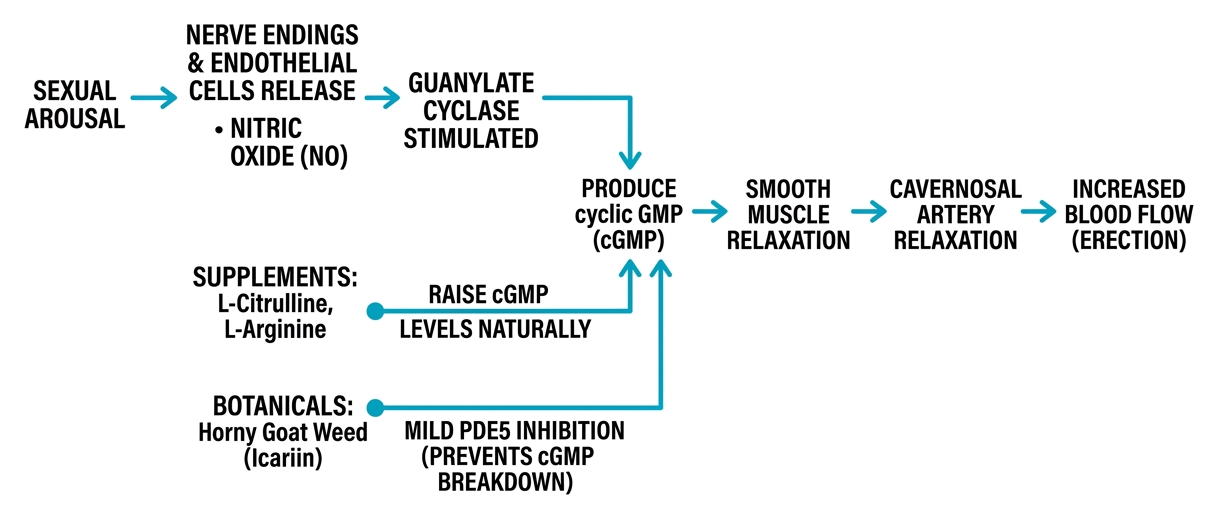
With age, available nitric oxide decreases in these delicate microvessels. Because pelvic arteries are narrow (roughly 1 to 2 mm in diameter compared to 3 to 4 mm in coronary arteries), early signs of systemic circulatory decline often appear in the bedroom first.
Non-prescription male vitality formulas generally rely on combinations of:
- L-Citrulline and L-Arginine (3–6 g daily): Providing the structural substrate to raise cGMP levels naturally.
- Botanicals (Horny Goat Weed/Icariin, Korean Ginseng, Yohimbe): Icariin provides mild, natural PDE5-inhibiting activity (the same mechanism used by prescription ED medications, though substantially weaker), preventing the premature breakdown of cGMP.
- Vitamin D3 & Zinc: Supporting free testosterone levels and maintaining endothelial lining health.
While OTC pills can help with mild, occasional performance issues, they cannot override severe arterial blockages or major nerve damage.
Managing Peripheral Symptoms: Cold Extremities and Leg Swelling
If you frequently suffer from icy fingers, swollen ankles, or tired, heavy calves after standing, your peripheral microcirculation and venous return systems may need support.
Cold hands and feet often occur when small peripheral arterioles overreact to cold or stress by spasming—a phenomenon seen in mild Raynaud's patterns. Ingredients like ginger, capsaicin, and ginkgo biloba help encourage microvascular peripheral dilation, allowing warm blood to reach capillary beds in the skin.
In the lower legs, poor circulation frequently stems from weak vein valves that allow blood to pool downward under the force of gravity. Learn how to identify these early warning signs by reading our guides on How to Check Blood Circulation at Home, addressing Poor Circulation in Ankles and Feet, and improving Circulation in Feet. To maintain comfortable movement throughout the day, explore strategies for Blood Flow Lower Legs and Lower Leg Circulation, as well as tips for soothing Poor Blood Circulation at Night.
Safety Profile, Potential Interactions, and Prescription Vasodilator Comparisons
Natural does not mean risk-free. Because active circulation supplements directly alter vascular tone, platelet aggregation, and blood volume dynamics, they can interact with common medications.
Before introducing these products, consider how non-prescription formulas compare to prescription vasodilators:
- Prescription Vasodilators & ED Drugs (e.g., Sildenafil, Amlodipine, Hydralazine): These pharmaceutical agents act through targeted, potent enzymatic pathways. They work quickly and reliably, but may come with side effects, as detailed by the Cleveland Clinic's review on Vasodilators: Types and Side Effects.
- Over-the-Counter Circulation Supplements: These formulas provide the nutritional substrates, antioxidants, and building blocks that support the body's natural regulatory systems. Their effects develop gradually over weeks, making them ideal for preventative, daily maintenance rather than acute crisis intervention.
Always consult your doctor before starting circulation pills if you take blood pressure medications, anticoagulants, or diabetes drugs, or if you are scheduled for surgery.
Actionable 8-Week Protocol: Maximizing Vascular Health
Supplements work best when paired with healthy daily habits. Here is an evidence-based, 8-week protocol designed to revitalize your vascular health from the inside out:
Weeks 1–2: Establish Lifestyle Foundations
- Daily Movement: Complete a brisk 30-minute walk every day. Muscle contractions in your calves act as a "secondary heart," pumping venous blood back upward against gravity.
- Hydration: Drink 64 to 80 ounces of water daily. Dehydration increases blood viscosity ("sludgy blood"), forcing your heart to work harder.
- Dietary Upgrades: Adopt a Mediterranean-style pattern filled with leafy greens (spinach, arugula), fatty fish, berries, olive oil, and raw walnuts.
Weeks 3–4: Introduce Foundational Vascular Nutrients
- Add a high-purity Omega-3 supplement (1,000–2,000 mg EPA/DHA) to support flexible cell membranes and healthy blood lipid levels.
- Begin Vitamin D3 supplementation (1,000–2,000 IU daily) if your blood levels are below 30 ng/mL.
- Continue tracking your resting blood pressure at home once or twice weekly.
Weeks 5–8: Layer Targeted Nitric Oxide and Microvascular Support
- Introduce L-citrulline (1,500–3,000 mg) or a standardized beetroot extract daily before physical activity to boost nitric oxide production.
- If lower leg fatigue or swelling is your primary concern, add a standardized bioflavonoid complex (diosmin/hesperidin).
- Evaluate your progress: Track changes in morning energy, workout stamina, hand and foot warmth, and erectile response. For broader lifestyle strategies, explore our guide on general Circulation Improvement and Circulatory System Supplements.
Frequently Asked Questions About Circulation Supplements
How long does it take for OTC circulation supplements to show results?
The onset timeline depends on the ingredient mechanism. Dietary nitrate formulas (like concentrated beetroot extract) cause measurable acute vasodilation within 60 to 180 minutes of ingestion as plasma nitrite peaks. However, structural vascular adaptations from amino acids (L-citrulline), bioflavonoids, and omega-3s require consistent daily use for 4 to 8 weeks. This allows endothelial cell walls to repair, oxidative stress to decline, and vascular compliance to steadily improve.
Can natural blood flow pills replace prescription blood pressure medications?
No. Over-the-counter blood circulation supplements should never be used as a direct replacement for physician-prescribed antihypertensive medications. While ingredients like L-citrulline, magnesium, and beetroot may support modest, healthy reductions in vascular resistance, they cannot reliably control stage 1 or stage 2 hypertension on their own. Stopping prescribed medications without doctor oversight can lead to dangerous rebound spikes in blood pressure.
Which drink opens up arteries fastest alongside circulation pills?
Concentrated beetroot juice and 100% pure unsweetened pomegranate juice are the two fastest-acting natural beverages for arterial dilation. Beetroot juice floods the bloodstream with inorganic nitrates that convert quickly into nitric oxide, opening up blood vessels within 1 to 2 hours. Pomegranate juice is rich in potent punicalagin antioxidants that protect existing nitric oxide from free-radical destruction, helping arteries relax while keeping blood flowing smoothly.
Conclusion
Healthy blood circulation is essential for lasting vitality, physical stamina, cognitive sharpness, and sexual health. While over-the-counter blood circulation pills are not miracle cures for deep-seated vascular disease, high-quality, scientifically backed formulas containing L-citrulline, beetroot extract, bioflavonoids, and essential micronutrients offer genuine, measurable support for endothelial health and capillary flow.
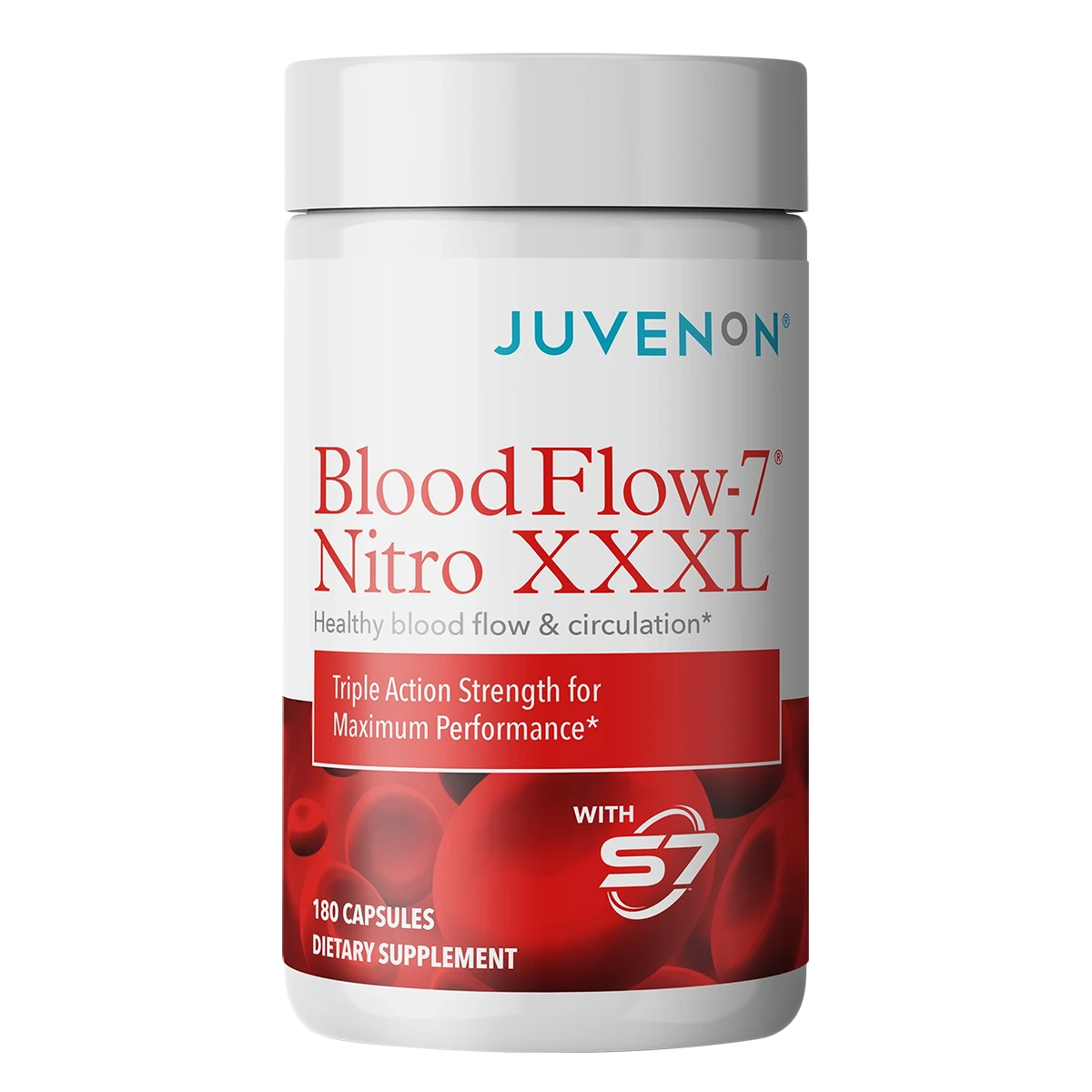
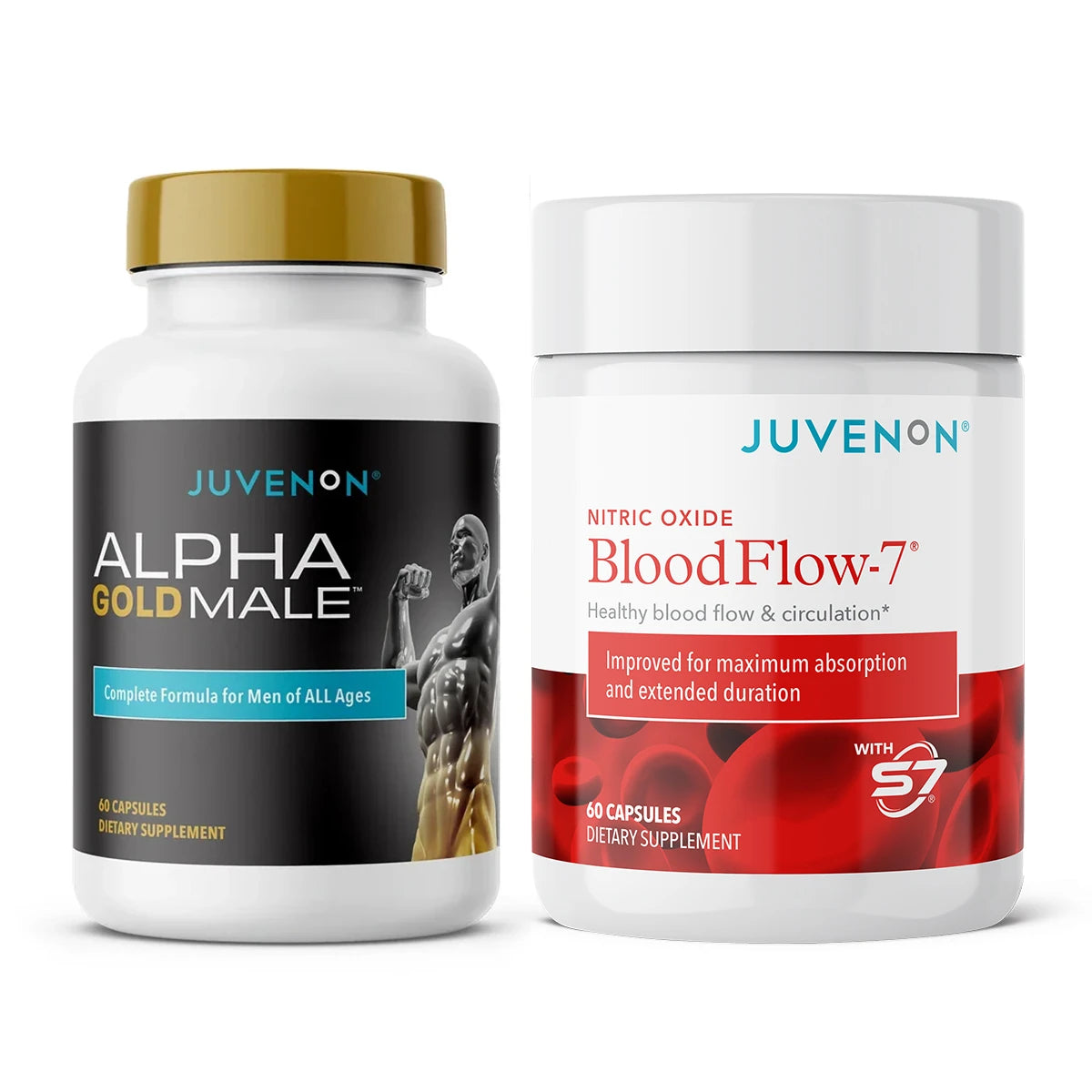
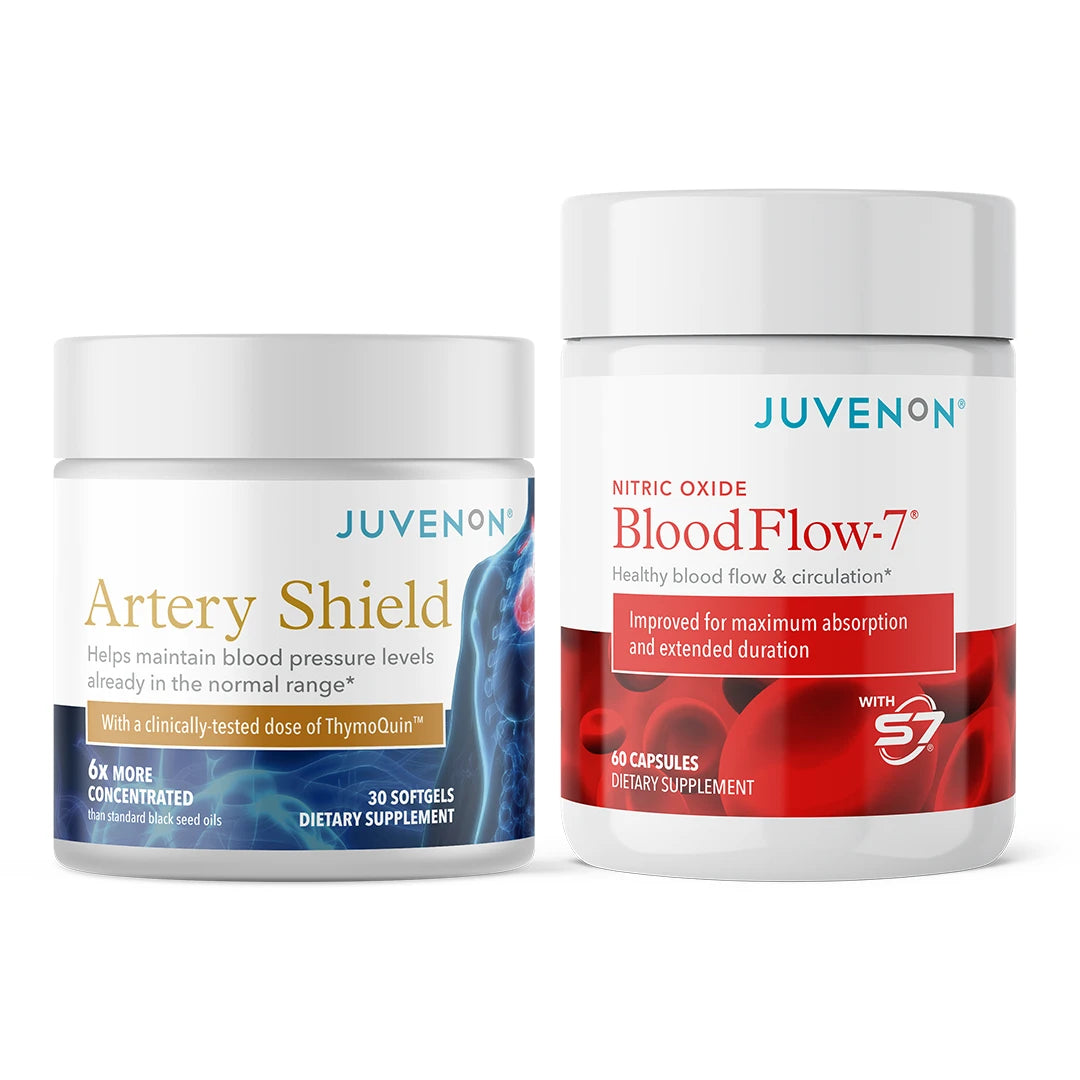
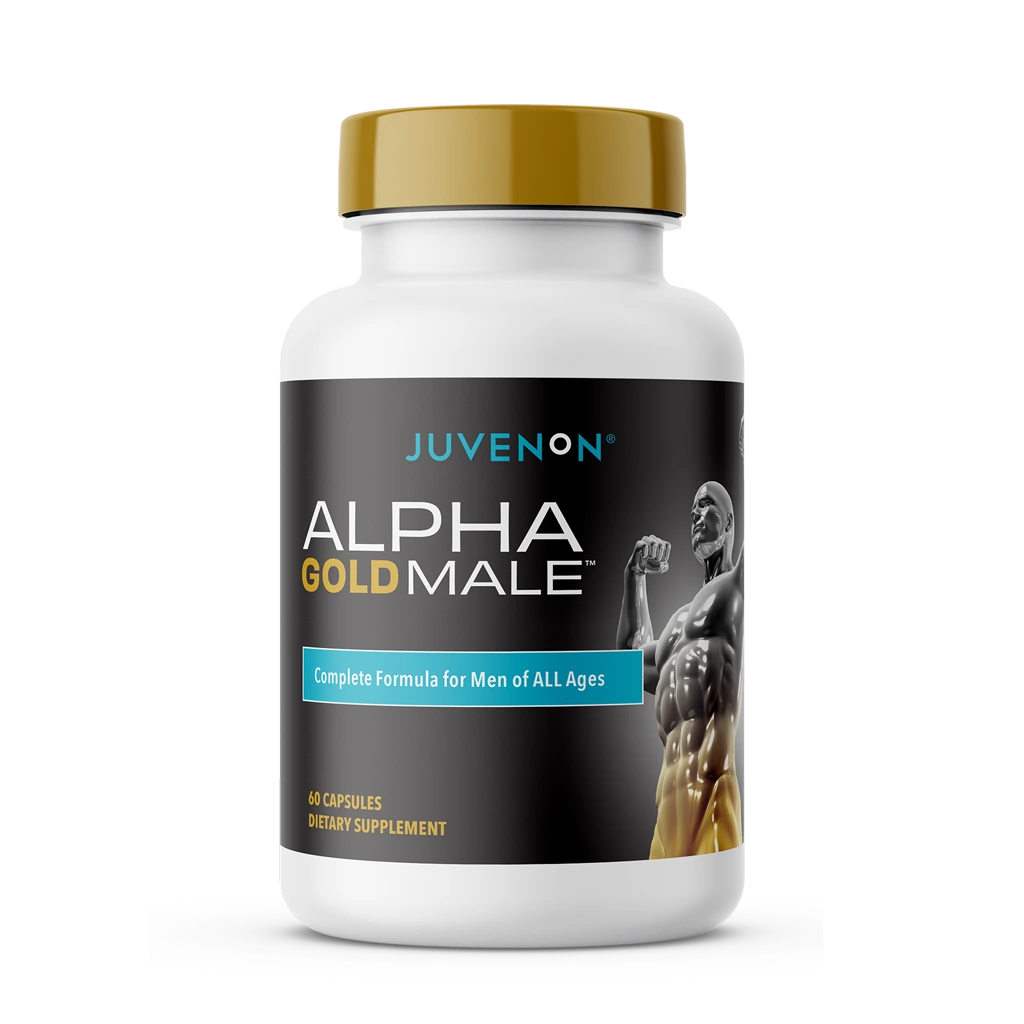
At Juvenon, we build our patented longevity formulas using pure, clinically verified ingredients that help you maintain strong, flexible blood vessels throughout every decade of life. Every purchase is backed by our risk-free 60-day money-back guarantee, with convenient subscription discounts to keep your daily wellness routine running smoothly.
Ready to take proactive control of your vascular wellness? Explore our evidence-based guide on Circulation Ways to Increase Blood Flow and discover our full range of advanced nutritional formulas today.