Circulatory System Supplements: What Can Actually Support Blood Flow?

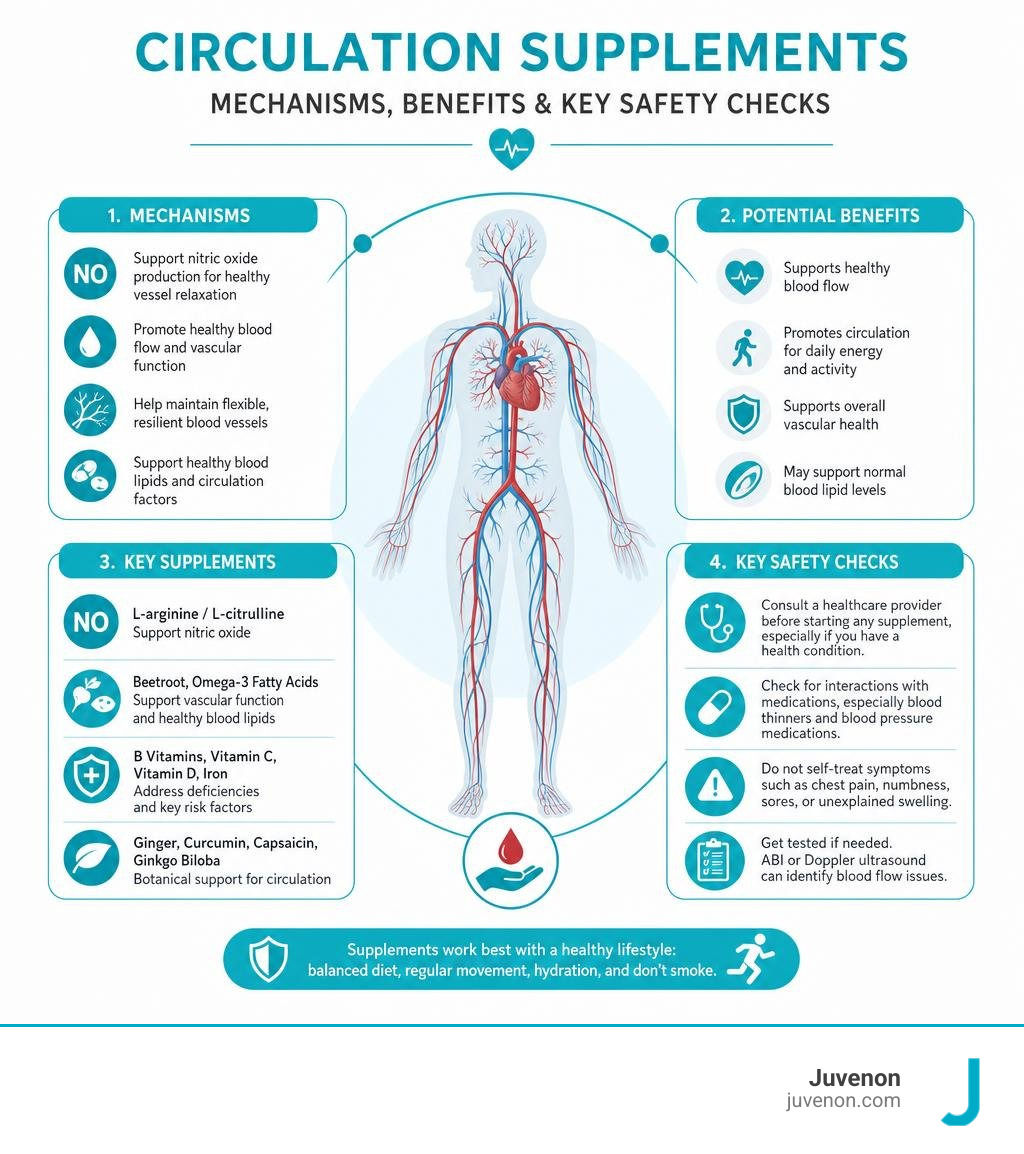
Some circulatory system supplements may support healthy blood flow, but they work best when they address a real need, such as low nutrient intake, impaired nitric oxide production, or elevated triglycerides. The strongest options to discuss with a healthcare provider include:
- L-arginine or L-citrulline, which can support nitric oxide, a compound that helps blood vessels relax.
- Beetroot and omega-3 fatty acids, which may support vascular function and healthy blood lipids.
- B vitamins, vitamin C, vitamin D, and iron, when testing or diet shows a deficiency or specific risk factor.
- Ginger, curcumin, capsaicin, and ginkgo biloba, which have early or mixed evidence for circulation support and may interact with medications.
Supplements are not a fix for blocked arteries, peripheral artery disease, blood clots, or unexplained leg pain. If you have numbness, wounds that heal slowly, chest pain, one-sided swelling, or new erectile dysfunction, seek medical care rather than self-treating. Tests such as an ankle-brachial index (ABI) or Doppler ultrasound can help identify a blood-flow problem before you choose a supplement.
As Michelle M. Henson, a copywriting leader and legal compliance editor in the healthy-aging supplement field for more than 20 years, I focus on making evidence around circulatory system supplements clear, practical, and responsible. Next, let's look at how these nutrients and botanical compounds may affect blood vessels.
Circulatory system supplements glossary:
How Circulatory System Supplements Support Blood Flow and Vascular Health
Your body houses roughly 60,000 miles of blood vessels. That is enough vascular real estate to circle the globe more than twice! Keeping this vast network clear, flexible, and responsive is essential for delivering oxygen and nutrients to every cell while whisking away metabolic waste.
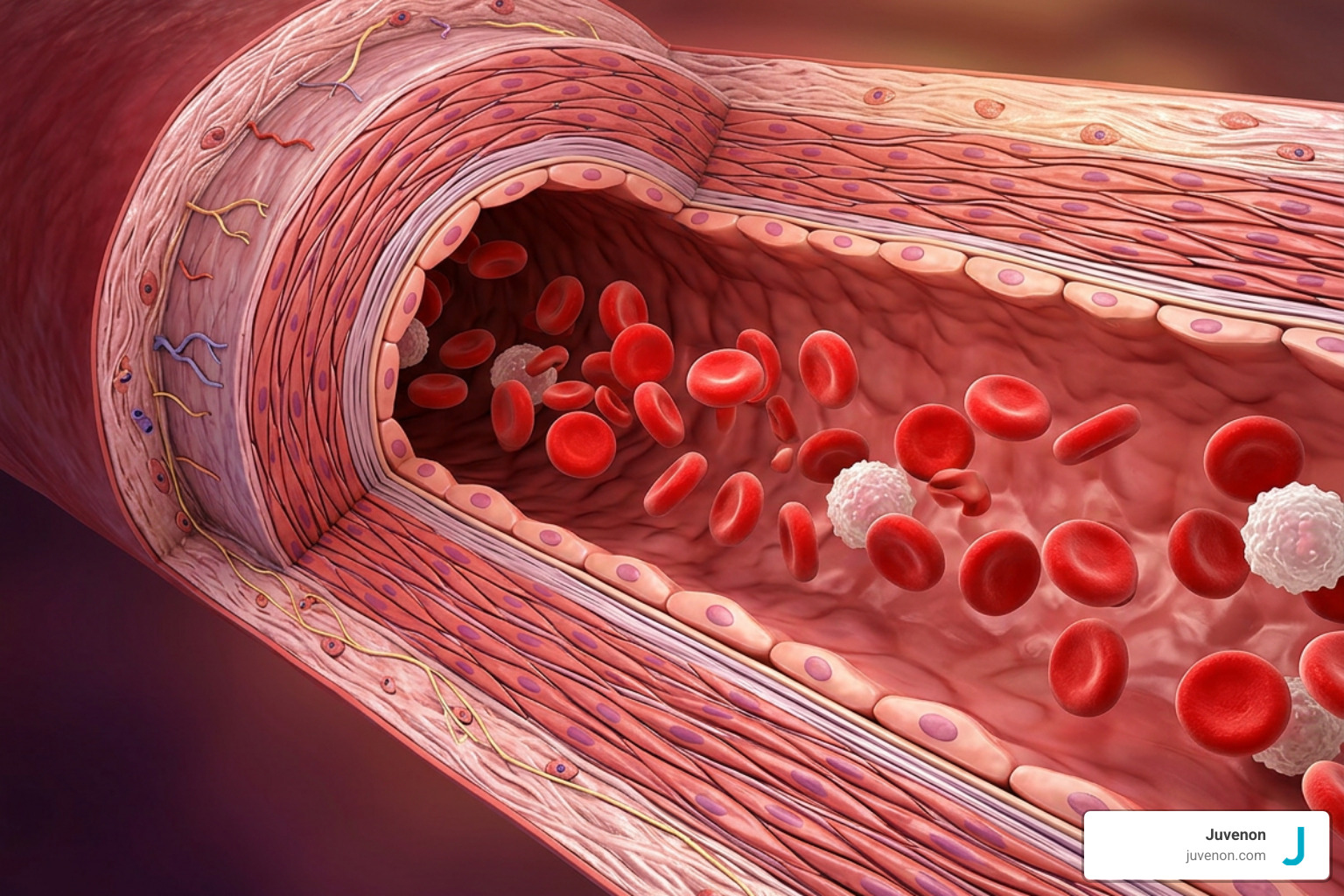
When blood flow falters, tissues starve of oxygen. Boosting nitric oxide in your body is one of the primary ways targeted nutrition supports vascular tone, vascular smooth muscle relaxation, and optimal blood viscosity. Let’s look at the physiological mechanisms that keep your circulation humming.
Nitric Oxide Pathway and Arterial Dilation
At the center of vascular dynamics is nitric oxide (NO), an endogenous signaling gas. Produced by endothelial cells lining your arteries, nitric oxide instructs surrounding smooth muscle tissues to relax.
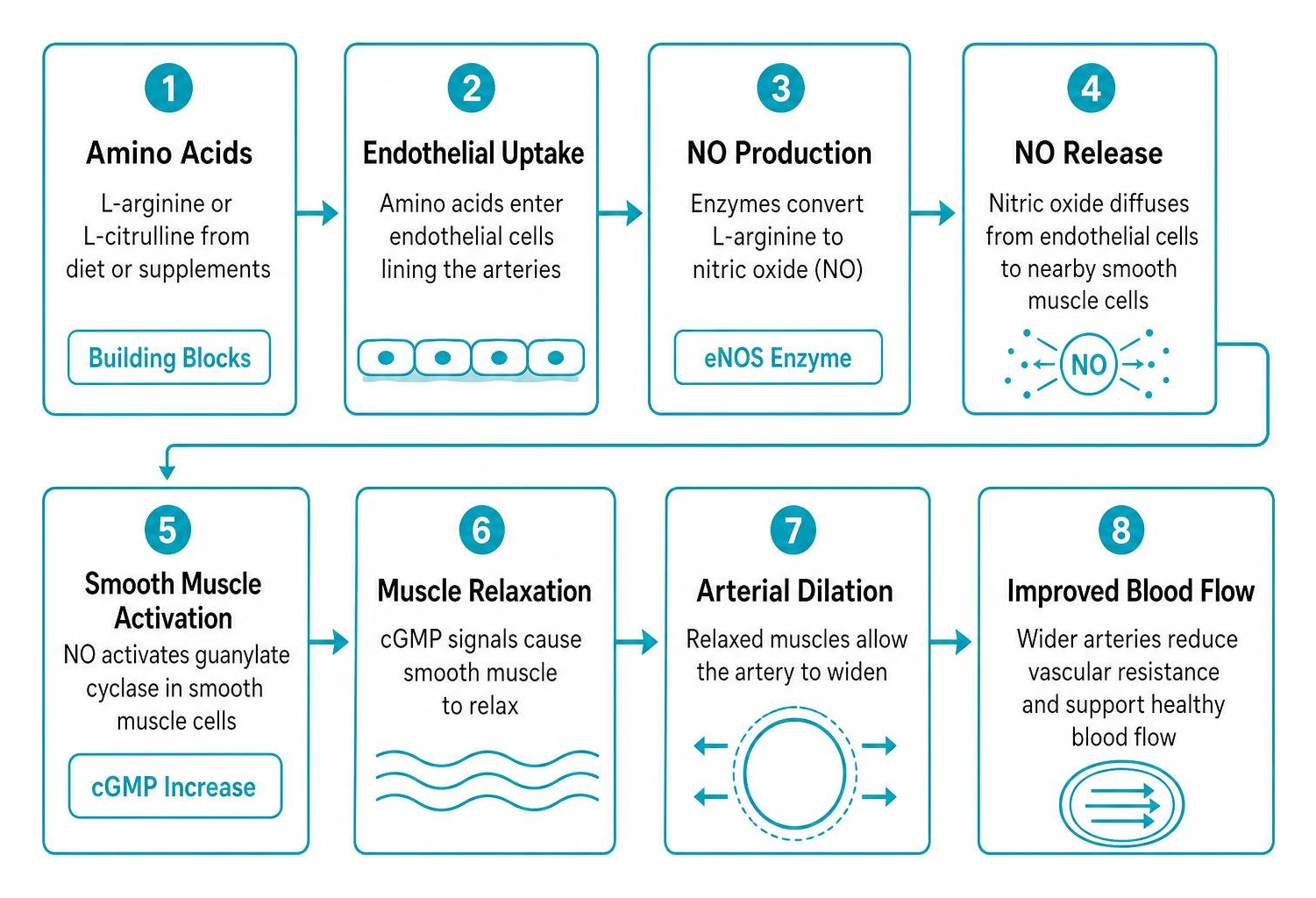
When these muscles relax, the lumen diameter expands. This process—known as vasodilation—decreases vascular resistance, optimizes blood velocity, and reduces shear stress against delicate arterial walls. As we age, natural nitric oxide production declines, making nutritional precursors increasingly valuable for maintaining healthy blood pressure and systemic tissue perfusion.
Endothelial Integrity and Plaque Defense
The endothelium is not just a passive barrier; it is an active organ regulating clotting, inflammation, and vessel elasticity. Oxidative stress damages this single-cell layer, promoting the accumulation of oxidized LDL cholesterol, inflammatory white blood cells, and calcium deposits—a process known as atherosclerosis.
Unchecked endothelial damage accelerates arterial calcification, causing blood vessels to stiffen like old garden hoses. Nutrients that combat oxidative stress and prevent lipid oxidation are critical for maintaining elastic vessel walls. For a deeper look at natural strategies, watch this video on the Best supplements to support blood flow and arterial health.
Top Evidence-Based Botanicals and Amino Acids for Circulation
Bioactive botanicals and targeted amino acids provide functional support for systemic circulation. Below is an overview of how the most popular options compare:
| Supplement | Primary Active Mechanism | Key Vascular Benefits |
|---|---|---|
| L-Arginine / L-Citrulline | Nitric oxide synthesis substrate | Expands blood vessel lumen, boosts tissue oxygenation |
| Beetroot Extract | Dietary nitrate-to-nitrite conversion | Improves athletic blood delivery, supports cerebral blood flow |
| Ginger Extract | Inhibits inflammatory pathways, reduces Lp(a) | Enhances peripheral microcirculation, eases cold extremities |
| Ginkgo Biloba | Terpenoid-mediated vasodilation | Promotes cerebral, ocular, and microvascular blood flow |
| Capsaicin | Stimulates transient receptor potential channels | Triggers nitric oxide release, opens peripheral vessels |
| Omega-3 Fatty Acids | Lowers triglycerides, prevents platelet clumping | Improves blood viscosity, supports endothelial function |
Key Bioactive Compounds in Circulatory System Supplements
Amino acids serve as the foundational building blocks for endothelial nitric oxide synthase (eNOS). L-arginine acts as the direct precursor for nitric oxide. Clinical trials show that L-arginine supplementation helps release nitric oxide, dilating arteries and improving blood and oxygen delivery to oxygen-hungry tissues.
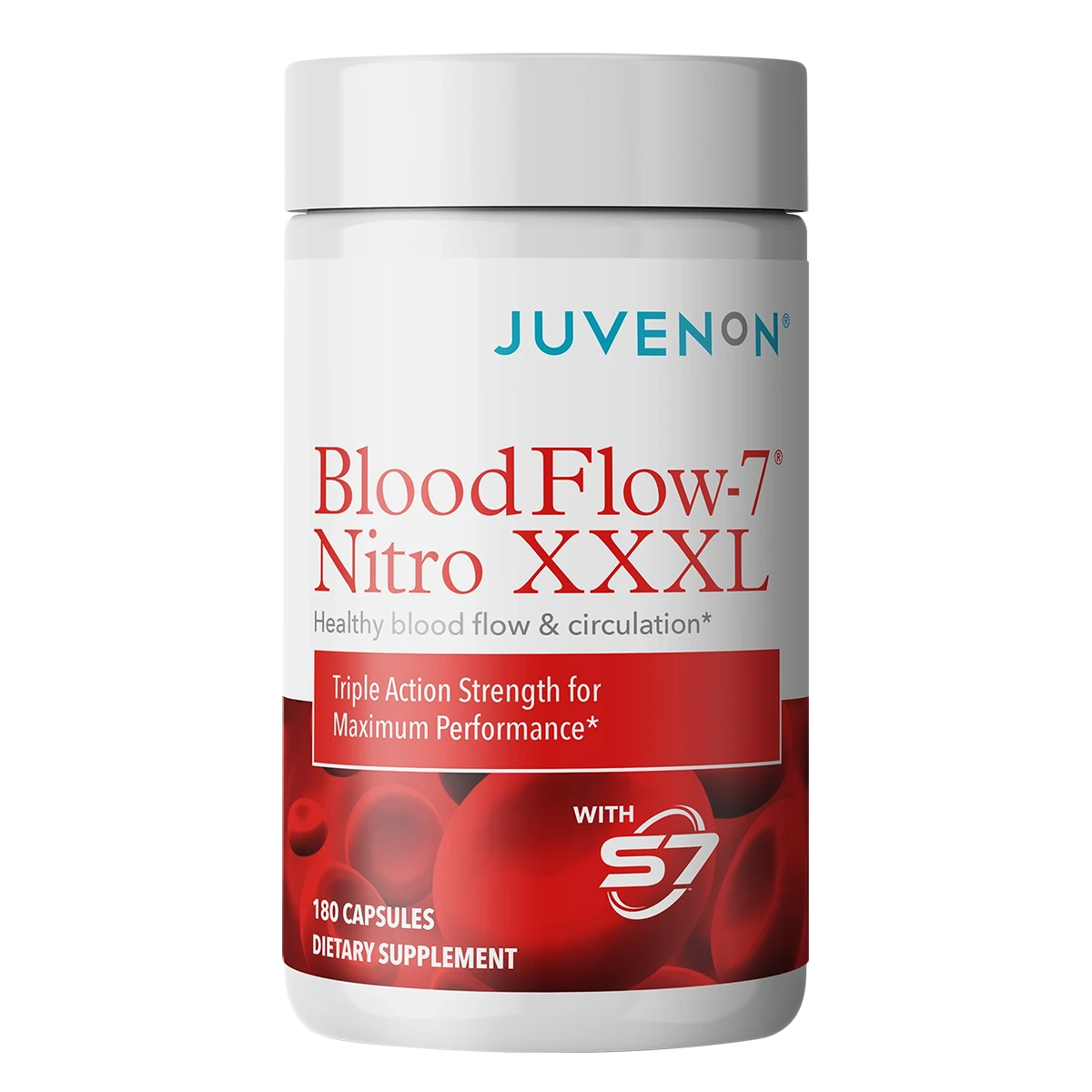
Because the liver rapidly clears oral L-arginine, pairing it with L-citrulline (which converts to L-arginine inside the kidneys) creates sustained blood levels of nitric oxide. Comprehensive formulations like Bloodflow 7 utilize this synergy to support endogenous nitric oxide production, cellular energy, and robust peripheral blood delivery throughout the day.
Botanical Extracts: Beetroot, Ginger, and Ginkgo Biloba
Plants are rich in vascular-protective compounds. Beetroot is packed with dietary inorganic nitrates. Once ingested, oral bacteria reduce these nitrates to nitrites, which the stomach and vascular tissue convert directly into nitric oxide. Research shows beetroot supplements can increase muscular blood flow during resistance exercise while enhancing circulation to the brain, arms, and legs.

Incorporate circulation-boosting foods into your routine alongside botanical extracts:
- Ginger (Zingiber officinale): Contains pungent gingerols that improve blood viscosity. In a clinical trial involving men with atherosclerosis, ginger supplementation significantly improved levels of lipoprotein(a), an LDL particle variant that impairs arterial flow.
- Ginkgo Biloba: Derived from ancient maidenhair trees, ginkgo enhances blood flow through ocular vessels, cerebral microvasculature, and the broader cardiovascular system.
- Capsaicin: The spicy compound in cayenne peppers stimulates sensory nerves and vascular receptors, prompting quick nitric oxide release and opening tight peripheral capillaries.
Omega-3 Fatty Acids and Lipid Management
Eicosapentaenoic acid (EPA) and docosahexaenoic acid (DHA)—the long-chain omega-3 fatty acids found in marine oils—are essential for cardiovascular health. These fatty acids integrate directly into cell membranes, increasing red blood cell deformability so they can glide easily through narrow microcapillaries.
Clinical data demonstrates that omega-3s reduce serum triglycerides and increase beneficial HDL cholesterol. Furthermore, omega-3s gently inhibit platelet aggregation, preventing blood cells from sticking together unnecessarily. For more details on these fatty acids, explore our breakdown of fish oil for circulation.
Essential Vitamins and Minerals for Vascular Health
Vitamins and minerals act as enzymatic cofactors required for collagen synthesis, homocysteine metabolism, and red blood cell production.

Without adequate micronutrient intake, your vascular walls lose structural resilience. Learn more about essential vitamins for enhanced blood flow to build a solid nutritional baseline.
B-Complex Vitamins (B6, B9, B12) for Homocysteine Reduction
Homocysteine is an amino acid byproduct of protein metabolism. When levels climb too high, homocysteine causes oxidative damage to the endothelial lining, promotes arterial inflammation, and increases the risk of blood clots, heart disease, and stroke.
Vitamins B6 (pyridoxine), B9 (folate), and B12 (methylcobalamin) are essential cofactors in the biochemical pathways that convert homocysteine into harmless methionine or cysteine. Taking balanced vitamins to improve blood circulation effectively helps keep homocysteine within a healthy range, protecting blood vessel elasticity.
Vitamins C, D, E, and K for Vessel Elasticity
- Vitamin C (Ascorbic Acid): Essential for synthesizing collagen, the primary structural protein giving blood vessel walls strength and flexibility. Vitamin C also prevents the breakdown of nitric oxide by scavenging reactive oxygen species.
- Vitamin D: Receptors for vitamin D sit directly on endothelial cells and vascular smooth muscle. A 2020 study found that vitamin D deficiency is associated with erectile dysfunction, emphasizing its vital role in microvascular elasticity.
- Vitamin E (Alpha-Tocopherol): A potent fat-soluble antioxidant that shields LDL particles from oxidation and prevents excessive platelet clumping.
- Vitamin K (especially K2): Directs calcium into bones and teeth rather than arterial walls, preventing arterial calcification and preserving flexibility.
Iron: Balancing Deficiency and Excess
Iron is essential for synthesizing hemoglobin, the iron-rich protein in red blood cells that transports oxygen from your lungs to systemic tissues. Iron deficiency causes anemia, leading to chronic fatigue, cold limbs, and cardiovascular strain. Indeed, iron deficiency is widely prevalent in people with heart disease.
However, iron is a double-edged sword. Excess free iron accelerates oxidative stress and promotes atherosclerosis. Never supplement high doses of iron without verifying your ferritin levels through a simple blood test first.
Clinical Diagnostics, Targeted Health, and Complementary Habits
Supplements yield the best results when paired with accurate diagnostics and positive lifestyle habits.
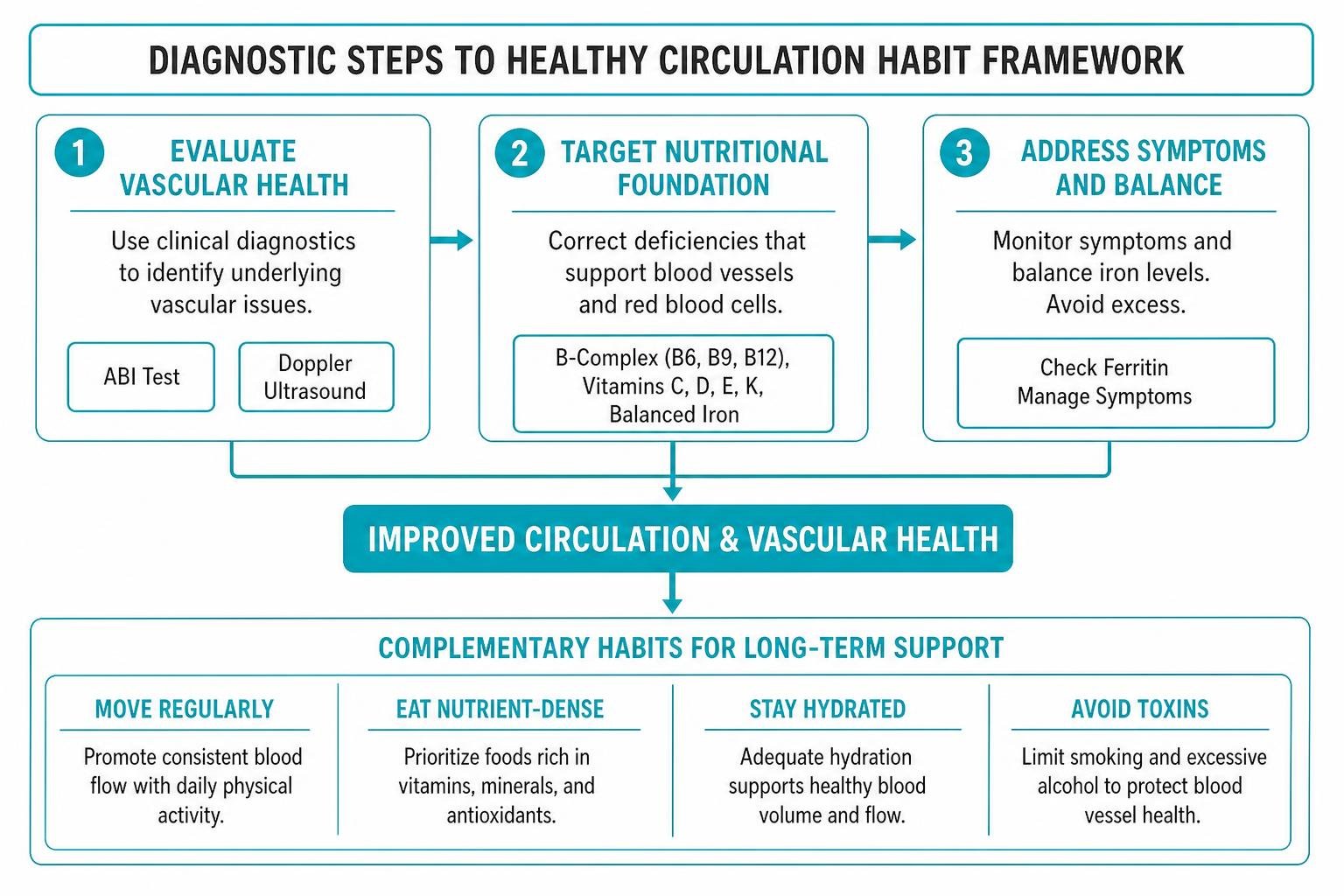
If you experience tingling, cold toes, or sluggish energy, review our guide to understanding poor blood circulation symptoms before starting a new regimen.
Evaluating Vascular Health: ABI and Doppler Ultrasound Testing
Before starting any supplement regimen for severe circulatory symptoms, clinical diagnostic tools can identify underlying vascular issues:
- Ankle-Brachial Index (ABI) Testing: A fast, non-invasive test comparing systolic blood pressure readings in your ankles against readings in your arms. An ABI score lower than 0.9 suggests arterial narrowing in the lower extremities, pointing to Peripheral Artery Disease (PAD).
- Doppler Ultrasound Systems: Uses high-frequency sound waves bouncing off circulating red blood cells to evaluate real-time blood velocity, directional flow, and vessel blockages in leg or neck arteries.
Targeted Benefits: Leg Swelling and Erectile Function
Poor circulation manifests clearly in specific extremities:
- Lower Extremity Fluid Retention: Venous valves in your calves must pump blood upward against gravity. Weakened vessel tone leads to pooling, tired legs, and ankle swelling. Targeted circulation support for legs and feet combines natural venotonic nutrients with calf raises and compression therapy to maintain venous return.
- Microvascular and Sexual Function: The small arteries supplying erectile tissue require healthy endothelial nitric oxide release to dilate. When microvascular blood flow drops, erectile difficulties are often the very first clinical warning sign of systemic vascular issues.
Safety and Precautions with Circulatory System Supplements
While natural supplements offer remarkable vascular benefits, safety and moderation are essential:
- Anticoagulant Interactions: Botanicals like ginkgo biloba, high-dose ginger, garlic extract, and vitamin E possess mild blood-thinning properties. If you take prescription anticoagulants (such as warfarin or aspirin), consult your physician to avoid bleeding risks.
- Blood Pressure Monitoring: Nutrients that boost nitric oxide or relax smooth muscle can lower your blood pressure. If you already take antihypertensive medication, monitor your numbers carefully to avoid hypotension. Check our strategies for managing blood pressure naturally to ensure balanced cardiovascular health.
- Quality Assurance: At Juvenon, we build our patented longevity and heart formulas around rigorous clinical science. Every product is backed by a 60-day money-back guarantee with exclusive subscriber discounts, so you can support your vascular health with complete confidence.
Frequently Asked Questions About Blood Flow
What drink opens up arteries naturally?
Beetroot juice and 100% pure pomegranate juice are two of the most effective natural beverages for opening up blood vessels. Beetroot juice supplies concentrated inorganic nitrates that your body rapidly converts into nitric oxide for vasodilation. Pomegranate juice is rich in polyphenol antioxidants that protect circulating nitric oxide from oxidative breakdown, keeping arteries relaxed and wide.
How quickly do circulation supplements work?
The onset time depends on the specific mechanism:
- Acute Vasodilators: Dietary nitrates (beetroot), L-arginine, and capsaicin often improve blood vessel dilation and peripheral blood flow within 60 to 120 minutes of ingestion.
- Structural Vascular Nutrients: Micronutrients that strengthen collagen, lower homocysteine, reduce triglycerides, or rebuild the endothelial lining (such as B-complex vitamins, vitamin D, vitamin K2, and omega-3s) require consistent daily intake for 4 to 12 weeks to deliver noticeable vascular improvements.
Can vitamins reverse poor circulation?
Vitamins can resolve poor circulation caused by specific nutritional deficiencies (such as fatigue from low B12 or iron-deficiency anemia). They also protect endothelial health and slow the progression of arterial stiffness. However, vitamins alone cannot dissolve calcified, hard atherosclerotic plaques or replace necessary medical care. They work best as part of an integrative approach alongside regular exercise, balanced nutrition, and clinical supervision.
Conclusion
Healthy blood circulation is your body's ultimate lifeline. From the nitric oxide pathways fueled by L-arginine, L-citrulline, and beetroot to the protective qualities of B vitamins, vitamin C, and omega-3 fatty acids, targeted nutrients offer powerful support for arterial elasticity and daily energy.
Supplements work best alongside daily cardiovascular movement, proper hydration (at least 64 ounces of water daily to maintain healthy blood viscosity), stress reduction, and a diet rich in colorful plants. For more actionable habits you can start right now, explore our proven ways to increase blood flow and take charge of your cardiovascular health.