What a Blood Circulation Problem in the Leg Can Mean
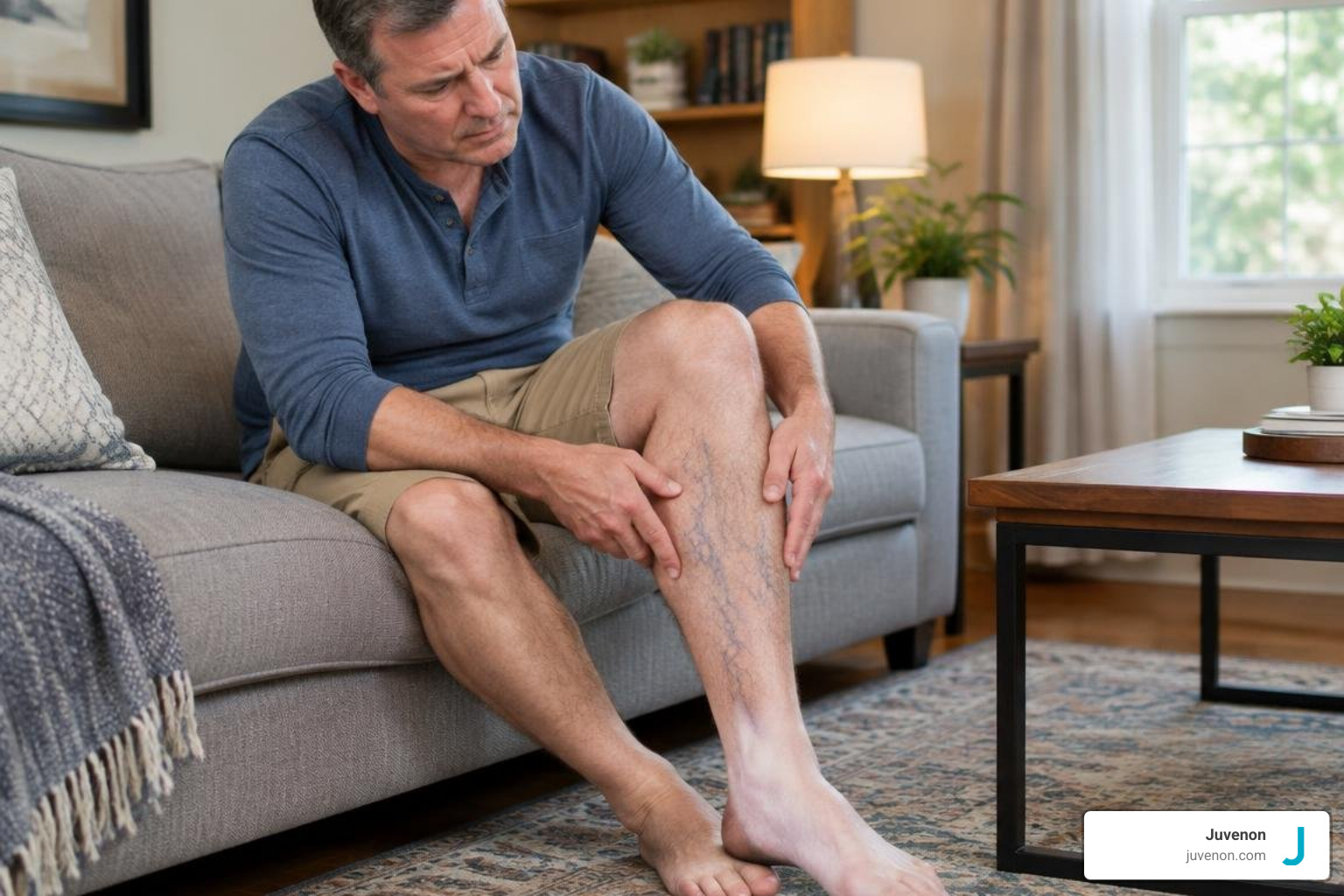
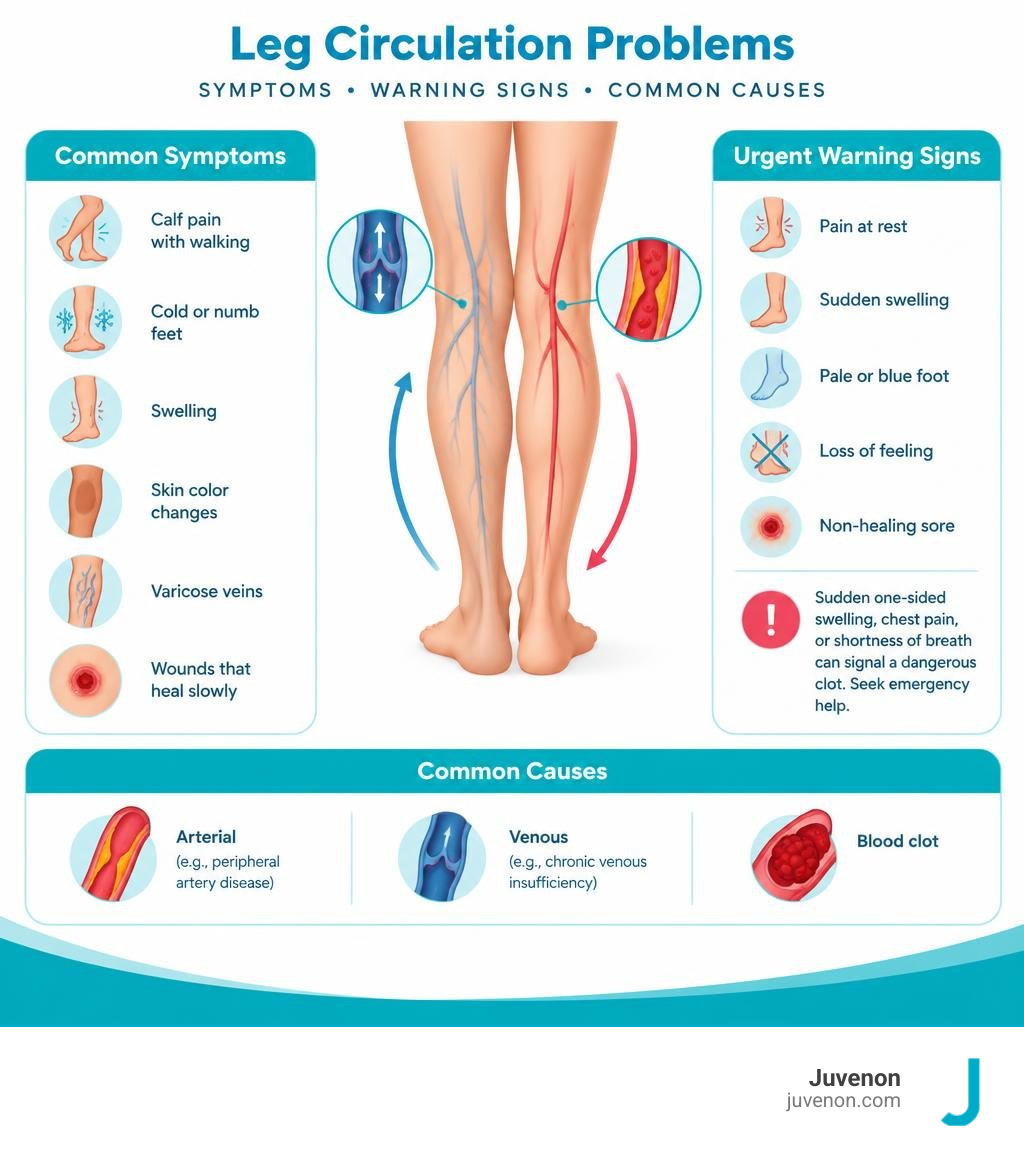
A blood circulation problem in the leg means blood is not moving to or from the tissues as well as it should. It can stem from narrowed arteries, damaged vein valves, or a blood clot. Common signs include calf pain with walking, cold or numb feet, swelling, skin color changes, varicose veins, and wounds that heal slowly.
Do not brush off persistent leg symptoms as normal aging. Pain at rest, sudden swelling, a pale or blue foot, loss of feeling, or a non-healing sore needs prompt medical care. Sudden one-sided swelling, chest pain, or shortness of breath can signal a dangerous clot and requires emergency help.
The key is to identify whether the issue is mainly arterial, such as peripheral artery disease (PAD), or venous, such as chronic venous insufficiency. The symptoms can overlap, but the right tests and treatment can be very different.
Michelle M. Henson is a copywriting leader and legal compliance editor with more than 20 years of experience making complex health topics clear, accurate, and useful. In this guide to a blood circulation problem in leg, she helps translate evidence-based vascular health information into practical next steps.
Blood circulation problem in leg vocab explained:
Recognizing a Blood Circulation Problem in Leg: Key Symptoms and Warning Signs
When blood flow falters in our lower extremities, our bodies don't keep it a secret. The challenge is that arterial blockages and venous backlogs show up in distinct ways. Arterial issues typically starve working muscles of oxygenated blood, while venous disorders cause fluid and deoxygenated blood to pool, triggering heaviness and tissue swelling.
Recognizing early warning signs of poor circulation allows us to act before temporary discomfort evolves into severe tissue damage or slow wound healing.
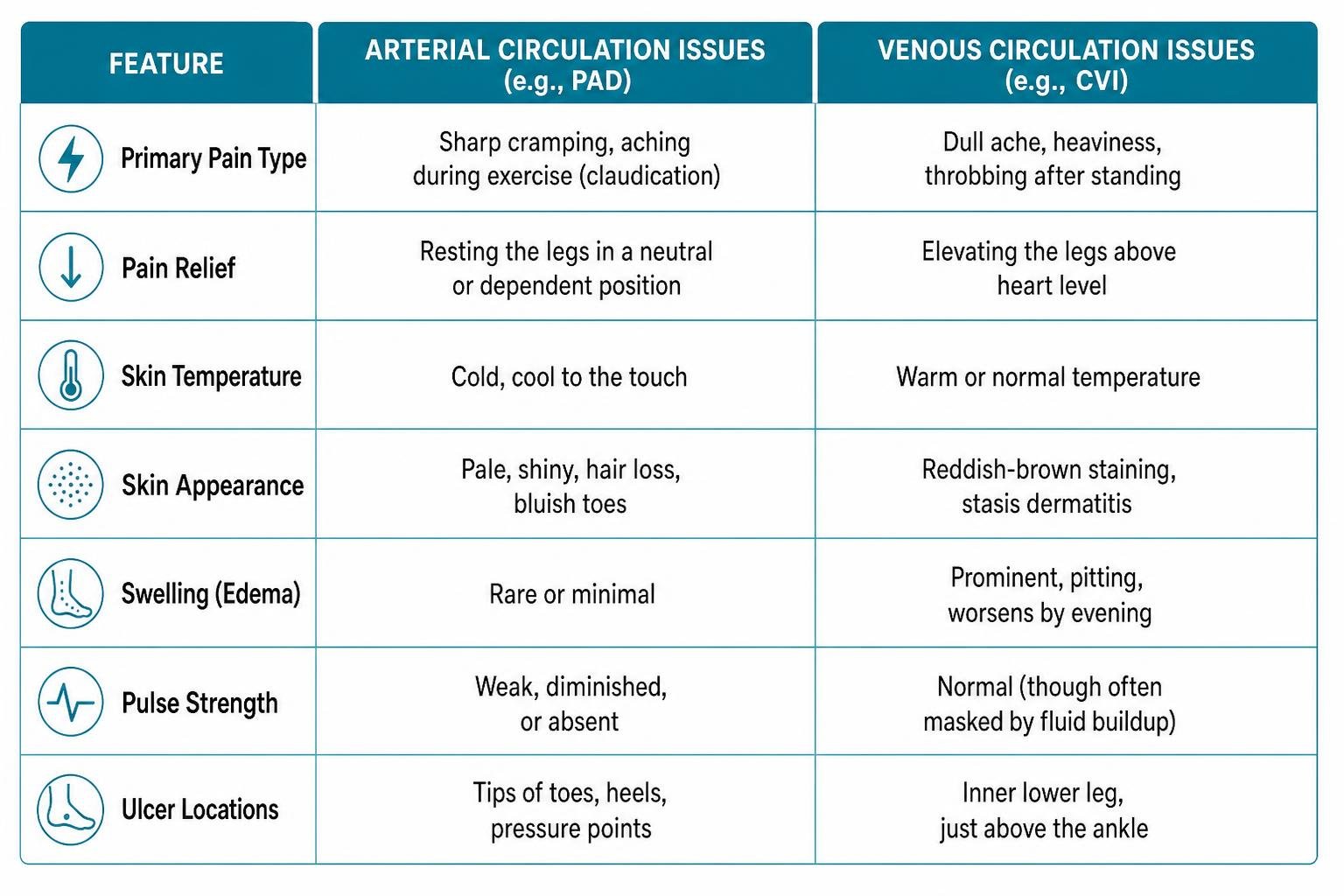
| Feature | Arterial Circulation Issues (e.g., PAD) | Venous Circulation Issues (e.g., CVI) |
|---|---|---|
| Primary Pain Type | Sharp cramping, aching during exercise (claudication) | Dull ache, heaviness, throbbing after standing |
| Pain Relief | Resting the legs in a neutral or dependent position | Elevating the legs above heart level |
| Skin Temperature | Cold, cool to the touch | Warm or normal temperature |
| Skin Appearance | Pale, shiny, hair loss, bluish toes | Reddish-brown staining, stasis dermatitis |
| Swelling (Edema) | Rare or minimal | Prominent, pitting, worsens by evening |
| Pulse Strength | Weak, diminished, or absent | Normal (though often masked by fluid buildup) |
| Ulcer Locations | Tips of toes, heels, pressure points | Inner lower leg, just above the ankle |
Claudication and Leg Cramps
One of the classic hallmarks of arterial insufficiency is intermittent claudication. When you walk, climb stairs, or exercise, your calf and thigh muscles demand more oxygen. If narrowed arteries restrict blood delivery, muscles enter a state of acute ischemia, causing tight cramping, burning, or aching that forces you to stop.
As noted in clinical reviews of claudication symptoms, this pain typically subsides within a few minutes of resting because muscle oxygen demand drops. However, in advanced disease, individuals may experience severe vascular spasms or poor blood circulation at night. Known as rest pain, this burning ache often wakes people from sleep, forcing them to dangle their legs over the edge of the bed to let gravity pull blood down into their feet.
Swelling, Color Changes, and Skin Breakdown
When the problem lies in the return path, deoxygenated blood pools in the lower extremities. Over time, high pressure forces fluid out of microscopic capillaries and into surrounding tissue, causing soft, pitting swelling.
Chronic venous pooling leads to:
- Stasis Dermatitis: The skin around the lower calves and ankles becomes itchy, dry, red, and inflamed.
- Hemosiderin Staining: Red blood cells breaking down beneath the skin deposit iron pigments, turning the skin a distinctive rusty, reddish-brown color.
- Varicose Veins: Surface veins stretch, twist, and bulge under continuous pressure.
- Skin Ulcerations: Tissues deprived of fresh nutrient exchange become fragile, meaning minor scrapes can turn into stubborn, open sores.
Primary Causes: PAD vs. Chronic Venous Insufficiency
Understanding why circulation fails requires looking at the two sides of our circulatory highway: the arterial delivery routes carrying oxygen-rich blood away from the heart, and the venous return network bringing deoxygenated blood back up against gravity.
How Arterial Disease Triggers a Blood Circulation Problem in Leg
Arterial circulatory problems are overwhelmingly driven by atherosclerosis. Over decades, cholesterol, cellular waste, calcium, and inflammatory proteins accumulate along the inner walls of our arteries, forming hardened plaques.
According to research on Peripheral artery disease (PAD) causes, this plaque narrows arterial pathways, increasing vascular resistance and choking off blood flow to the lower legs. When our muscles and nerves undergo persistent tissue hypoxia (oxygen deprivation), tissue repair grinds to a halt. In men, generalized vascular disease is especially widespread—in fact, arterial vascular compromise is implicated in roughly 70% of erectile dysfunction cases, serving as a whole-body warning sign that blood vessels everywhere need attention.
Chronic Venous Insufficiency and Valve Dysfunction
While arteries rely on the direct pumping force of the heart, veins rely on tiny, delicate one-way valves and the rhythmic contraction of our calf muscles to push blood upward. When those valves stretch, weaken, or sustain damage, blood flows backward—a condition known as valvular reflux.
This failure creates chronic venous hypertension. Blood pools in the lower legs, distending vein walls and allowing inflammatory cells to migrate into neighboring tissue (Patel et al., 2026). A frequent contributor to this damage is deep vein thrombosis (DVT). Following a clot, post-thrombotic syndrome can develop in up to 50% of patients within one to two years, leaving long-term valve scarring and chronic swelling as explained in clinical guides on Chronic Venous Insufficiency and Post-Thrombotic Syndrome.
Diagnosing Vascular Impairment and Poor Flow
Pinpointing the exact cause of leg circulation problems involves a blend of non-invasive physical assessments, vascular scoring systems, and modern imaging technologies.
Physical Exams, ABI, and Duplex Ultrasound
A clinical evaluation begins with a thorough physical exam. A practitioner checks skin temperature, looks for hair loss or shiny skin on the shins, checks for capillary refill time in the toes, and palpates pulses in the groin, behind the knee, and across the top of the foot.
Key objective diagnostic tests include:
- Ankle-Brachial Index (ABI): A fast, non-invasive test that compares the blood pressure measured at your ankle with the blood pressure in your arm using a standard cuff and Doppler probe. An ABI between 1.00 and 1.40 is normal, while a value below 0.90 indicates arterial narrowing.
- Duplex Ultrasound: Combines traditional ultrasound imaging with Doppler technology to visualize blood vessel anatomy in real time. It measures blood velocity and pinpoints retrograde flow (reflux) through faulty venous valves.
- Pulse Volume Recording (PVR): Uses pneumatic cuffs placed along the thigh, calf, and ankle to measure minute changes in limb volume with each heartbeat, mapping out arterial blockages.
Advanced Imaging and Clinical Assessments
When non-invasive tests indicate significant blockages or when surgical repair is being planned, clinicians utilize high-resolution imaging modalities:
- CT Angiography (CTA): Uses low-dose computed tomography and an intravenous contrast agent to render detailed, three-dimensional views of the lower-extremity arterial tree.
- MR Angiography (MRA): Employs magnetic resonance imaging to evaluate blood flow without exposing patients to ionizing radiation.
- CEAP Classification: Clinicians grade venous disorders using the standardized CEAP framework (Clinical, Etiologic, Anatomic, and Pathophysiologic) to track disease progression from mild spider veins (C1) up to active open ulcers (C6).
Proven Treatments and Daily Habits to Restore Blood Flow
Managing poor circulation requires a multi-layered approach: clearing physical restrictions, easing vascular inflammation, and adopting daily habits that protect delicate vessel walls.
Medical Interventions and Surgical Procedures
When conservative measures are not enough, modern medicine provides targeted interventions:
- Pharmacotherapy: Clinicians may prescribe antiplatelet medications (like aspirin or clopidogrel) to prevent blood clots, statins to stabilize arterial plaque, and medications like cilostazol or pentoxifylline to ease muscle cramping and support blood flow.
- Minimally Invasive Arterial Procedures: In severe PAD, interventional specialists use balloon angioplasty to gently widen narrowed arteries and place mesh stents to keep them open.
- Bypass Surgery: When an artery is completely occluded, vascular surgeons can construct a bypass graft around the blockage using a synthetic tube or a healthy vein harvested from another part of the body.
- Vein Ablation and Sclerotherapy: For chronic venous disease, specialists use radiofrequency ablation, endovenous laser treatment, or liquid sclerosants to safely close off damaged, refluxing surface veins, rerouting blood into healthier deep channels.
Lifestyle Changes to Relieve a Blood Circulation Problem in Leg
Daily habits play a major role in restoring microvascular health and optimizing blood flow:
- Supervised Walking Programs: Regular walking is one of the most effective natural therapies for claudication. Walking until moderate discomfort occurs, resting briefly, and repeating the cycle for 30 to 50 minutes three times weekly encourages our bodies to sprout new micro-vessels (collateral circulation) around blocked arteries.
- Structured Leg Elevation: For venous swelling, elevating your legs above the level of your heart for 30 minutes, three to four times a day, uses gravity to clear stagnant fluids and relieve venous pressure.
- Graduated Compression Socks: Wearing well-fitted compression stockings (typically providing 20–30 mmHg or 30–40 mmHg of pressure) supports the calf-muscle pump and prevents fluid pooling in the lower legs and ankles.
- Smoking Cessation: Cigarette smoke directly constricts blood vessels, damages the endothelial lining, and accelerates plaque formation. Quitting smoking is the single most impactful step you can take to protect your cardiovascular system.
- Dietary Sodium Management: Cutting back on excess sodium reduces fluid retention, easing pressure on the venous system and keeping blood pressure within a healthy range.
Targeted Nutrition and Vascular Support
Targeted nutrition can also provide daily support for blood vessel elasticity and endothelial function. As we age, our blood vessels naturally produce less nitric oxide—the signaling molecule responsible for relaxing and dilating vascular walls.
To support healthy lower leg circulation, many people incorporate specific dietary strategies:
- Nitric Oxide Precursors: Foods rich in dietary nitrates, such as beetroot extract, spinach, and the amino acids L-arginine and L-citrulline, support nitric oxide production and encourage vessel dilation.
- Antioxidants & Polyphenols: Compounds like resveratrol, grape seed extract, and green tea polyphenols help neutralize oxidative stress along the endothelial lining.
- Omega-3 Fatty Acids: Found in purified marine oils, EPA and DHA help maintain blood vessel flexibility and support normal blood viscosity.
- Targeted Botanical Blends: For comprehensive vascular support, high-quality supplements for blood vessels formulated with botanical extracts like Ginkgo biloba and maritime pine bark provide targeted daily nourishment for microvascular health and tissue oxygenation.
Frequently Asked Questions About Poor Leg Circulation
When should I see a doctor for leg circulation problems?
You should schedule a medical evaluation if you notice persistent calf cramps during short walks, cold feet, leg swelling that lingers after resting, or skin color changes around your ankles. Seek immediate emergency care if you experience sudden, severe leg numbness, a foot that turns pale or blue and feels cold, intense leg pain while resting, or rapid one-sided swelling accompanied by chest discomfort or shortness of breath.
Can walking actually improve blood flow in blocked leg arteries?
Yes. Engaging in a structured walking program triggers angiogenesis—the natural growth of tiny collateral blood vessels that bypass arterial blockages. Over several weeks, this helps deliver more oxygen to working muscles, increases your walking distance before pain sets in, and boosts overall cardiovascular stamina.
What is the difference between arterial and venous leg swelling?
Arterial disease rarely causes significant swelling; its hallmark signs are cool, pale skin and exertional cramping. Venous disease, by contrast, causes notable fluid buildup (edema) because faulty valves allow blood to pool in the lower limbs. Venous swelling tends to worsen as the day goes on, feels heavy or warm, and improves noticeably when you elevate your legs above your heart.
Conclusion
A persistent blood circulation problem in the leg is not something you have to accept as an unavoidable part of aging. Whether the underlying cause is arterial narrowing from atherosclerosis or venous congestion from worn-out valves, paying attention to what your symptoms mean gives you the power to take action early.
By combining professional medical evaluation with daily exercise, structured leg elevation, and nutrient-dense vascular support, you can protect your mobility and maintain comfortable blood flow. At Juvenon, we believe in supporting longevity from the inside out—helping you sustain healthy blood flow, protect your cellular health, and stay active for years to come. To discover more ways to optimize your vascular system, explore our evidence-based guide on circulation ways to increase blood flow.
References
Shivik K. Patel, Calin Manea, Scott M. Surowiec. "Venous Insufficiency." StatPearls Publishing, 2026. NBK430975.