Which Supplements May Help Poor Circulation in Hands and Feet?

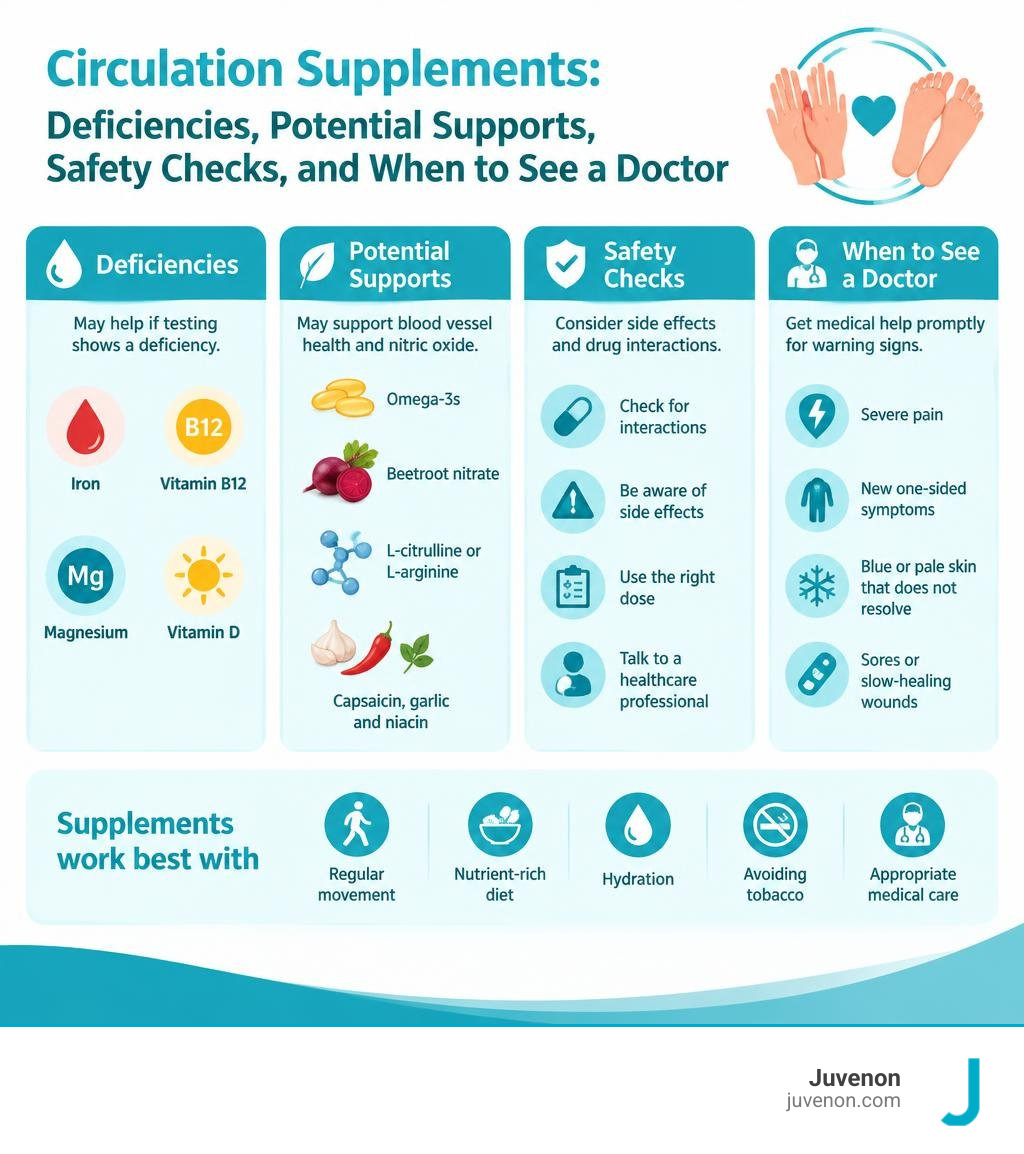
Some supplements may support blood vessel function or address a nutrient deficiency, but they do not cure poor circulation. For supplements for poor circulation in hands and feet, the most reasonable options depend on the cause:
- Iron or vitamin B12 may help if testing shows anemia or a deficiency.
- Magnesium and vitamin D can help correct low levels linked with muscle, nerve, or vascular symptoms.
- Omega-3s, beetroot nitrate, and L-citrulline or L-arginine may support blood vessel health and nitric oxide, though evidence for warmer hands and feet specifically is limited.
- Capsaicin, garlic, and niacin have possible circulation effects but also meaningful side effects or drug interactions.
Cold fingers and toes can come from cold exposure, inactivity, smoking, stress-related blood vessel spasm, or conditions such as Raynaud's phenomenon, diabetes, anemia, and peripheral artery disease. The smartest first step is to identify the cause, not buy a supplement based on a broad "circulation" claim.
Supplements work best as an add-on to regular movement, a nutrient-rich diet, hydration, avoiding tobacco, and appropriate medical care. Seek medical help promptly for severe pain, new one-sided symptoms, blue or pale skin that does not resolve, sores, or slow-healing wounds.
I am Michelle M. Henson, a copywriting leader and legal compliance editor with more than 20 years of experience translating health research into clear, responsible content. In this guide to supplements for poor circulation in hands and feet, I will help you separate plausible options from exaggerated promises and know when medical evaluation comes first.
Easy supplements for poor circulation in hands and feet glossary:
Understanding Symptoms and Root Causes of Poor Peripheral Circulation
When our peripheral blood flow slows down, our extremities are the first to let us know. The blood vessels supplying our fingers and toes are microscopic compared to the central vessels nourishing our heart and brain. When blood flow drops, our body prioritizes vital internal organs, leaving our hands and feet feeling icy.
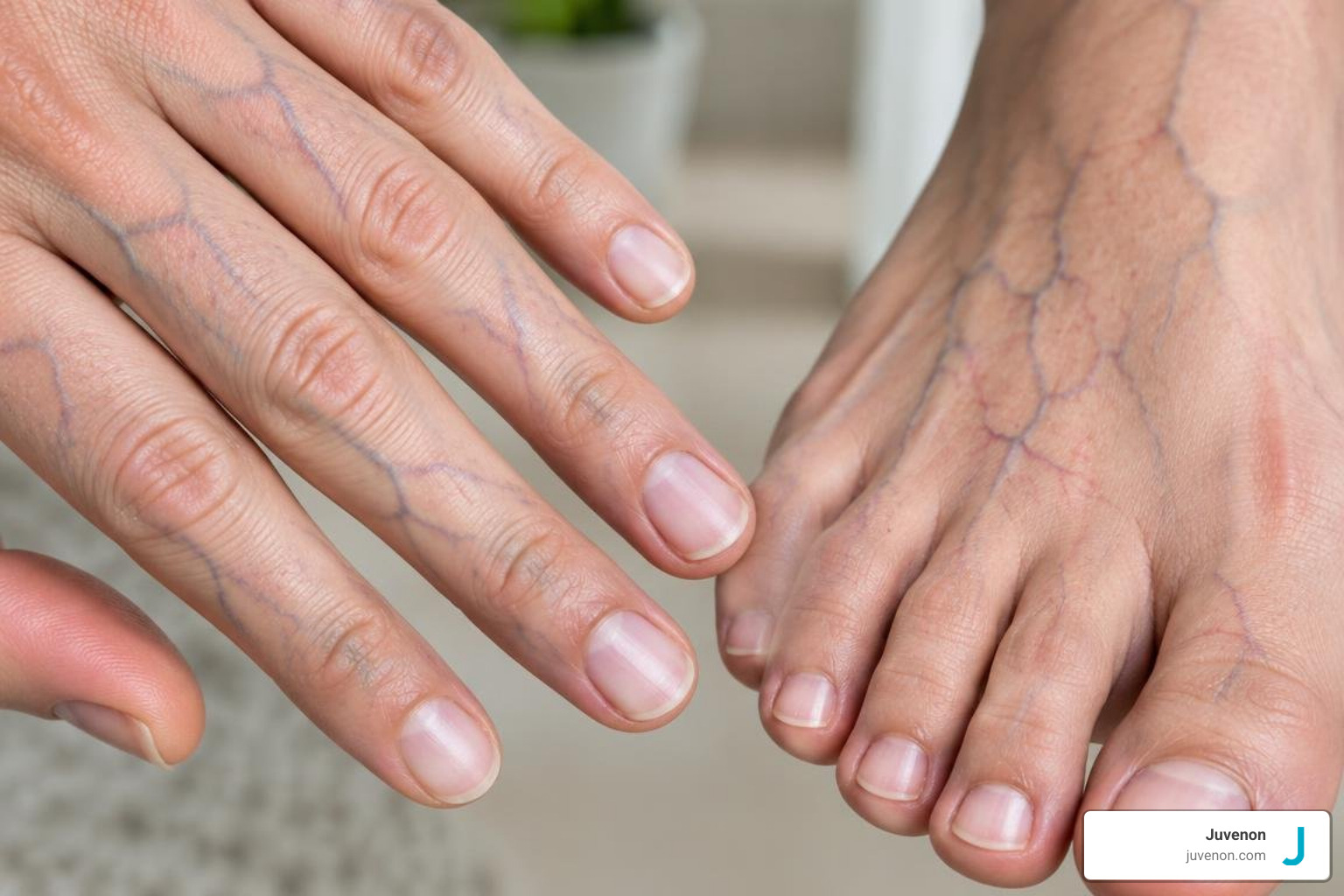
Common symptoms of sluggish peripheral circulation include:
- Persistent chilliness in the hands, fingers, toes, and feet
- "Pins and needles" or tingling sensations (paresthesia)
- Numbness or reduced physical sensation
- Pale, bluish, or mottled skin discoloration
- Slow toenail growth, brittle nails, or sparse hair growth on the lower legs
- Muscle cramping, weakness, or aching during mild walking (claudication)
- Slow-healing sores or ulcers on the feet
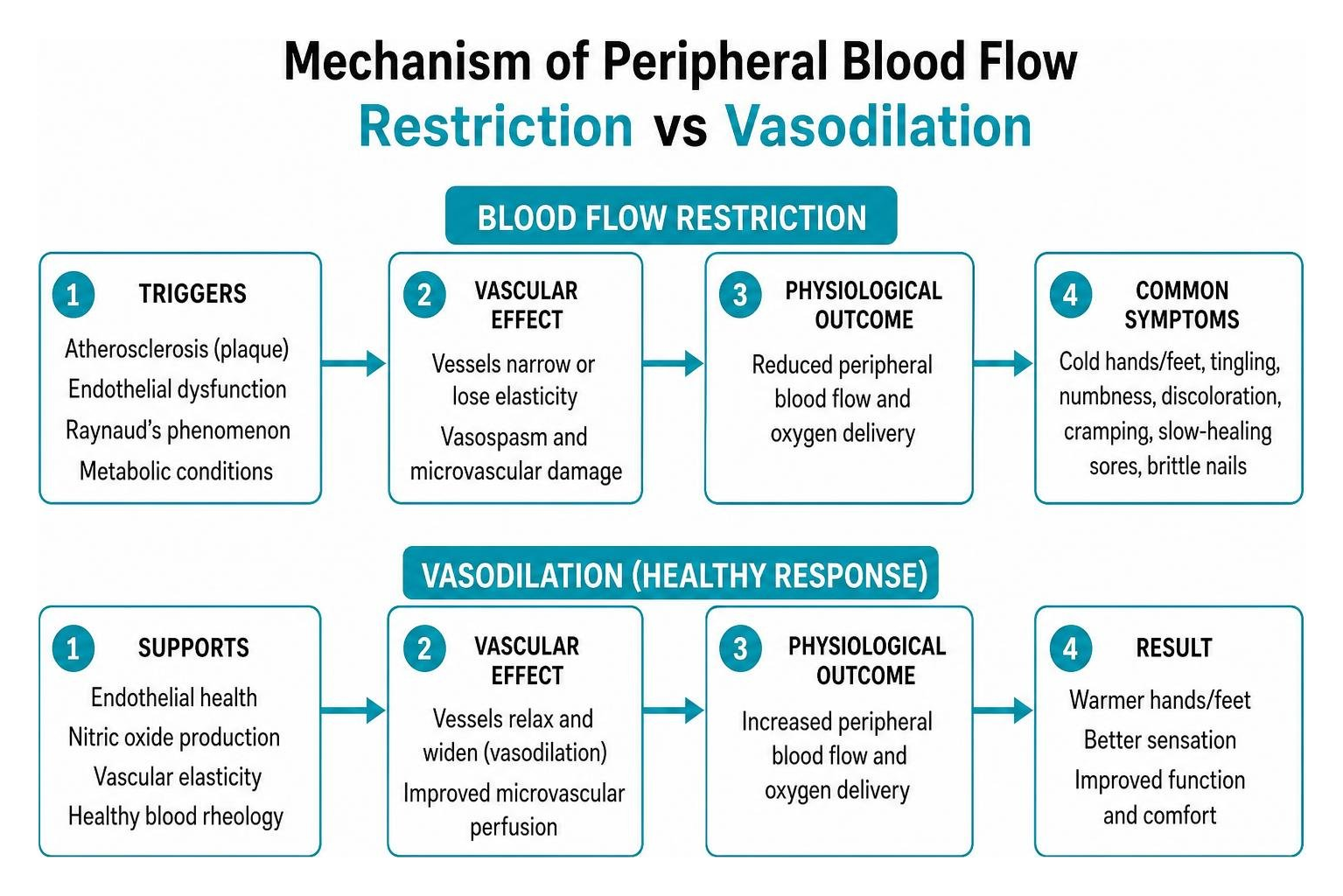
Understanding the underlying mechanism is critical. Poor peripheral blood flow is not a standalone condition; it is a clinical manifestation of physiological triggers:
- Atherosclerosis and Peripheral Artery Disease (PAD): Over time, cholesterol deposits form plaque along arterial walls, stiffening and narrowing blood pathways. This restricts physical oxygen delivery to the legs and feet.
- Endothelial Dysfunction: The delicate inner lining of our blood vessels—the endothelium—regulates vascular tone by producing chemical dilators like nitric oxide. When inflamed or damaged, the vessels lose their elasticity.
- Raynaud’s Phenomenon: In people with Raynaud's, cold temperatures or emotional stress trigger exaggerated vasospasms, temporarily shutting down capillary blood flow to fingers and toes.
- Metabolic Conditions: Long-standing elevated blood sugar in diabetes damages microvessels and peripheral nerves. Hypothyroidism slows metabolic rate and constricts peripheral vessels.
According to a clinical overview of vitamins and blood flow, supporting vascular elasticity and endothelial function is a foundational step in maintaining healthy blood delivery to the extremities.
Top Evidence-Based Supplements for Poor Circulation in Hands and Feet
When exploring natural support for blood flow, science focuses on two primary physiological targets: boosting endothelial nitric oxide production to promote vasodilation, and improving blood rheology (reducing blood viscosity).
Reviewing natural vascular support strategies helps establish realistic expectations for nutritional supplementation.
| Supplement | Primary Mechanism | Scientific Evidence Level | Key Considerations |
|---|---|---|---|
| Beetroot Extract | Dietary nitrates convert into nitric oxide | Moderate to High | Lowers vascular resistance; rapid onset (within hours) |
| L-Arginine & L-Citrulline | Amino acid precursors to nitric oxide | Moderate | Improved endothelial elasticity; enhanced when paired with B vitamins |
| Omega-3 Fatty Acids (EPA/DHA) | Anti-inflammatory; modulates platelet aggregation | Moderate to High | Improves cellular membrane flexibility; max 5g/day |
| Capsaicin | Activates TRPV1 receptors for transient vasodilation | Low to Moderate | May cause gastrointestinal upset |
| Garlic (Allicin) | Supports nitric oxide release and arterial flexibility | Low to Moderate | Mild blood-thinning properties |
| Niacin (Vitamin B3) | Stimulates prostaglandin-mediated capillary flushing | Moderate | Can cause harmless but intense skin flushing |
Nitric Oxide Precursors: L-Arginine, L-Citrulline, and Beetroot
Nitric oxide (NO) is a signaling gas molecule that commands smooth muscle cells surrounding our arteries to relax. When vessels relax and widen, blood travels effortlessly into distal capillaries.

- Beetroot Extract: Rich in inorganic dietary nitrates ($NO3^-$), beetroot bypasses the standard cellular enzyme path. In our mouth and gut, these nitrates convert to nitrite ($NO2^-$) and then directly into active nitric oxide. Clinical trials demonstrate that concentrated nitrate-rich beetroot juice can reduce vascular resistance and ease blood pressure within three hours of ingestion.
- L-Arginine & L-Citrulline: L-arginine serves as the direct biological substrate for the endothelial nitric oxide synthase (eNOS) enzyme. In clinical trials, supplementing with 2.4 grams of L-arginine combined with essential B vitamins over three months significantly improved vascular elasticity and healthy blood pressure levels. L-citrulline acts as an even more efficient precursor, avoiding liver metabolism to maintain high circulating arginine levels in the bloodstream.
Botanical Vasodilators: Capsaicin, Garlic, and Ginkgo Biloba
Herbal extracts have a long history of traditional use for warming cold extremities by supporting capillary microcirculation.
- Capsaicin: Extracted from chili peppers, capsaicin binds to sensory TRPV1 receptors on vascular walls. This binding stimulates the release of neuropeptides that trigger immediate microvascular widening. While it can produce a warming sensation, it must be used cautiously to avoid digestive discomfort.
- Garlic Extract: Standardized aged garlic contains allicin and organosulfur compounds that help inhibit platelet clumping and support arterial flexibility. Clinical trials demonstrate modest improvements in upper-arm and peripheral blood flow.
- Ginkgo Biloba: Long studied for its flavonoid and terpene content, Ginkgo helps decrease blood viscosity and scavenge free radicals that damage blood vessel walls. Research on herbal extracts for cold extremities notes its utility in supporting microvascular tone.
Potential Side Effects of Supplements for Poor Circulation in Hands and Feet
Natural compounds possess real biological activity, which means they can carry side effects or interact with prescription pharmaceuticals:
- Anticoagulant & Antiplatelet Interactions: Garlic, Ginkgo, high-dose vitamin E, and omega-3s possess mild blood-thinning properties. If you are taking prescription blood thinners (like warfarin, apixaban, or aspirin), combining them with high-dose supplements increases bleeding risks.
- Niacin Flush: Vitamin B3 (niacin) triggers prostaglandin release, causing capillaries near the skin surface to widen rapidly. This can produce intense warmth, redness, and itching across the face and chest for 30 to 60 minutes. While harmless, it can be startling.
- Blood Pressure Drops: Potent nitric oxide boosters combined with antihypertensive medications or PDE5 inhibitors can lead to symptomatic low blood pressure (dizziness or lightheadedness).
- Gastrointestinal Distress: High-dose capsaicin and concentrated garlic can irritate sensitive stomach linings, leading to nausea, acid reflux, or abdominal cramps.
Key Nutrient Deficiencies That Trigger Cold Extremities
In many cases, cold hands and feet are not caused by blocked arteries, but rather by missing nutritional building blocks required for healthy blood creation and vessel function.
Target Deficiencies: Essential Vitamins and Supplements for Poor Circulation in Hands and Feet
When specific vitamins and minerals fall below clinical thresholds, peripheral temperature regulation falters:
- Iron: Iron forms the core of hemoglobin, the protein in red blood cells that transports oxygen to distant tissues. Iron deficiency anemia reduces oxygen delivery, triggering our autonomic nervous system to restrict peripheral blood flow to protect core organ temperature.
- Vitamin B12 & Folate: Essential for healthy red blood cell synthesis and peripheral nerve maintenance. Low B12 levels cause macrocytic anemia and peripheral neuropathy, creating sensations of freezing numbness or tingling in the toes and fingers.
- Magnesium: This vital mineral is involved in over 300 enzymatic reactions, including those controlling vascular smooth muscle relaxation. Magnesium deficiency can provoke chronic arterial constriction and painful muscle spasms in the calves and feet.
- Vitamin D3: Vitamin D receptors line vascular endothelial cells. Low vitamin D status correlates with endothelial stiffness and impaired microvascular dilation.
- Vitamin B3 (Niacin): Niacin aids cellular energy generation and microcapillary dilation.
For comprehensive daily vascular nourishment, broad-spectrum formulas such as broad-spectrum blood flow formulas combine essential micronutrients with natural botanical nitric oxide boosters to support full-body circulation.
Omega-3 Fatty Acids and Antioxidant Vitamins
Vascular health depends heavily on the structural integrity of cell walls and the protection of delicate microvessels against oxidative stress:
- Omega-3 Fatty Acids (EPA & DHA): Found in purified fish and algae oils, omega-3s incorporate directly into the phospholipid membranes of red blood cells, making them more pliable so they can deform and squeeze through tiny capillaries. They also reduce systemic endothelial inflammation. The FDA recommends keeping supplemental intake under 5 grams per day.
- Vitamin C: Essential for collagen biosynthesis, vitamin C strengthens the structural matrix of arterial walls and capillaries, preventing microvascular fragility.
- Vitamin E: As a lipid-soluble antioxidant, vitamin E protects arterial cell membranes from free radical oxidation and supports blood vessel dilation.
Lifestyle Interventions vs. Dietary Supplements: What Works Best?
While targeted supplements provide valuable micronutrient and vascular support, they are most effective when paired with daily lifestyle habits. Physical movement remains the most powerful stimulus for increasing peripheral circulation.
- Aerobic Movement: Engaging in 150 minutes of moderate-intensity exercise weekly (such as brisk walking) prompts muscle contractions that physically pump venous blood back up the legs toward the heart.
- Hydration Management: Dehydration reduces total blood volume and thickens blood viscosity, making it harder for the heart to pump fluid to distal capillaries. Drinking 6 to 8 glasses of fluid daily helps maintain optimal vascular flow.
- Thermal Protection: Avoid direct, extreme heat sources (like scalding hot water bottles) if your feet are numb, as reduced sensation can lead to accidental burns. Instead, wear loose, moisture-wicking wool socks and insulated gloves to trap natural body warmth.
- Tobacco Cessation: Nicotine is a potent chemical vasoconstrictor. Inhaling tobacco smoke constricts peripheral microvessels within seconds, dropping skin temperature in the fingers and toes.
- Leg Elevation: Elevating your legs above heart level for 15 minutes in the evening helps drain pooled venous fluid and relieves pressure on the lower extremities.
Frequently Asked Questions About Circulation in Extremities
Can supplements cure Raynaud's phenomenon or peripheral artery disease?
No. Dietary supplements cannot cure Raynaud's phenomenon or reverse advanced structural peripheral artery disease (PAD). While ingredients like L-citrulline, magnesium, and omega-3s may support blood vessel relaxation and alleviate mild symptoms, structural arterial narrowing and severe vasospastic disorders require comprehensive medical management by a physician.
How long does it take for circulation supplements to show results?
Nutritional and botanical supplements operate on different timelines. Acute vasodilators (such as nitrate-rich beetroot extract) can increase nitric oxide and widen blood vessels within 1 to 3 hours of consumption. In contrast, correcting underlying nutritional deficiencies (such as iron or vitamin B12) or improving red blood cell membrane flexibility with omega-3s requires consistent daily intake over 8 to 12 weeks.
When should cold hands and feet prompt an immediate doctor visit?
You should schedule a prompt medical evaluation if your cold extremities are accompanied by:
- Severe, persistent leg pain while walking that resolves only with rest (claudication)
- Open sores, skin ulcers, or slow-healing wounds on your feet or toes
- Sudden color changes where fingers or toes turn stark white, deep blue, or black
- One-sided numbness, coldness, or swelling that affects only one leg or hand
- Complete loss of physical sensation in your feet
Conclusion
Cold hands and feet do not have to be an unavoidable daily frustration. By understanding the intricate mechanisms of peripheral blood flow—from endothelial nitric oxide synthesis to cellular oxygen transport—we can take proactive, structured steps toward lasting vascular comfort.
Start by checking for common nutritional gaps like iron, B12, or magnesium, stay active, maintain proper hydration, and talk to your healthcare provider to rule out underlying vascular conditions. When paired with healthy daily habits, evidence-based science-backed circulation enhancement formulations can provide targeted nutritional support to help keep blood flowing smoothly to every extremity.