Why Circulation in Feet Matters

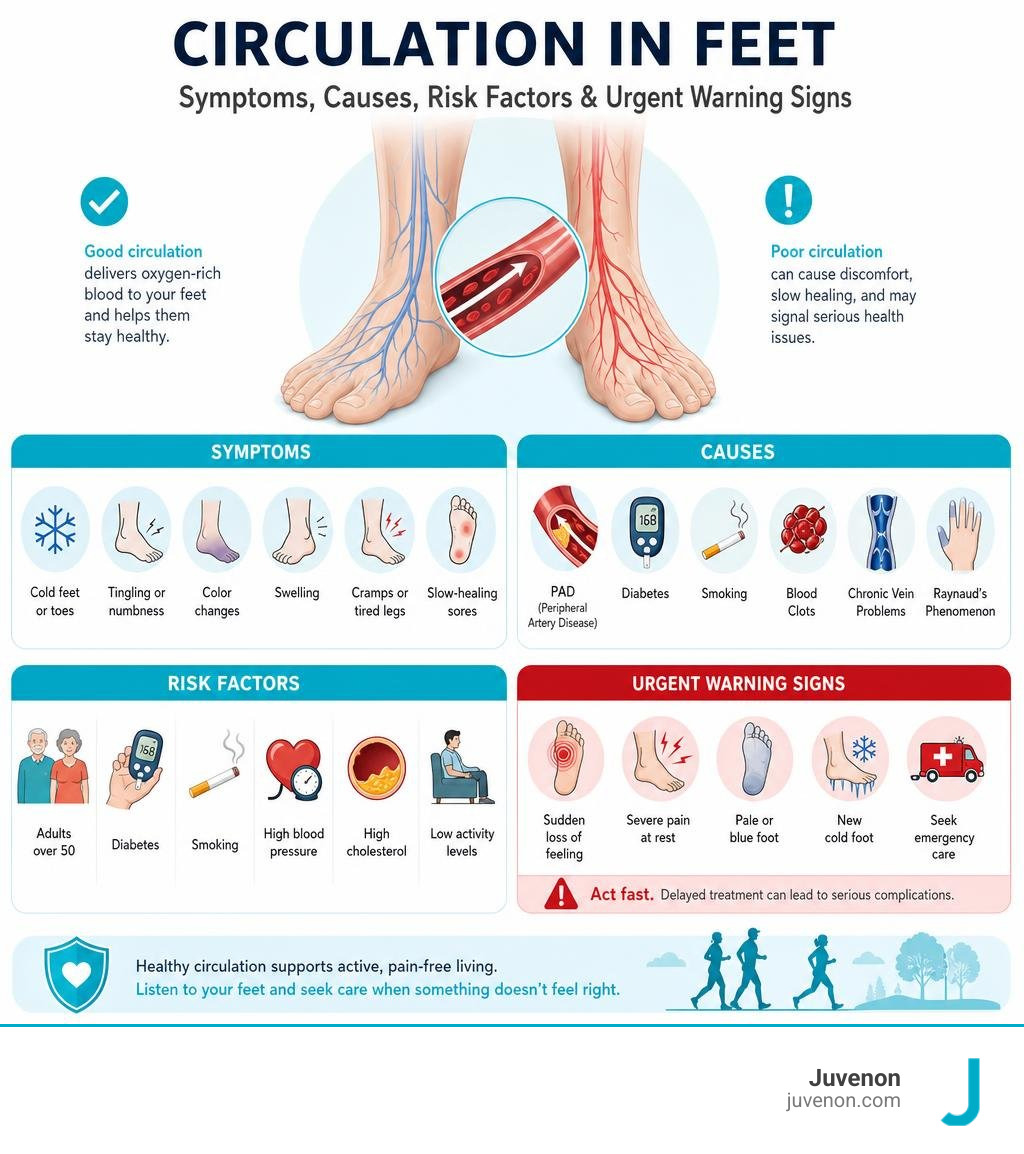
Circulation in feet is the steady delivery of oxygen-rich blood to foot tissues and the return of blood back toward the heart. When that flow is reduced or disrupted, feet may feel cold, numb, swollen, tired, or painful - and the cause can range from long periods of inactivity to diabetes, vein problems, or peripheral artery disease (PAD).
| Quick answer | What it means |
|---|---|
| Common signs | Cold toes, tingling, numbness, color changes, swelling, cramps, or slow-healing sores |
| Common causes | PAD, diabetes, smoking, blood clots, chronic vein problems, and Raynaud's phenomenon |
| Who faces higher risk | Adults over 50, people with diabetes, smokers, and people with high blood pressure, high cholesterol, or low activity levels |
| When to act fast | Seek emergency care for sudden loss of feeling, severe pain at rest, a pale or blue foot, or a new cold foot |
Poor circulation is not usually a diagnosis by itself. It is a clue that blood vessels, blood flow, or the systems that return blood from the legs may need medical attention. Because PAD can also signal a greater risk of artery blockages affecting the heart and brain, ongoing foot symptoms are worth taking seriously.
I am Michelle M. Henson, a UCLA English graduate and health-content leader with more than two decades of experience translating complex wellness topics into clear, responsible guidance. In this guide to circulation in feet, I will help you understand what the signs may mean before we explore causes, testing, and practical next steps.
Understanding Poor Circulation in Feet: Causes and Underlying Factors
When we talk about impaired circulation in feet, we are looking at a disruption in how blood moves through our lower extremities. Our circulatory system works like a sophisticated transport network. Arteries carry oxygenated blood down from the heart to nourish tissue cells, while veins and microvessels collect deoxygenated blood and return it upward. When narrow pathways, vessel stiffening, or blockages slow down this flow, tissues in our toes and soles are the very first to suffer.
Poor circulation is an indicator of an underlying systemic issue rather than a standalone disease. As detailed by the Cleveland Clinic, common vascular impairments stem from structural arterial disease, metabolic imbalances, or venous insufficiency.
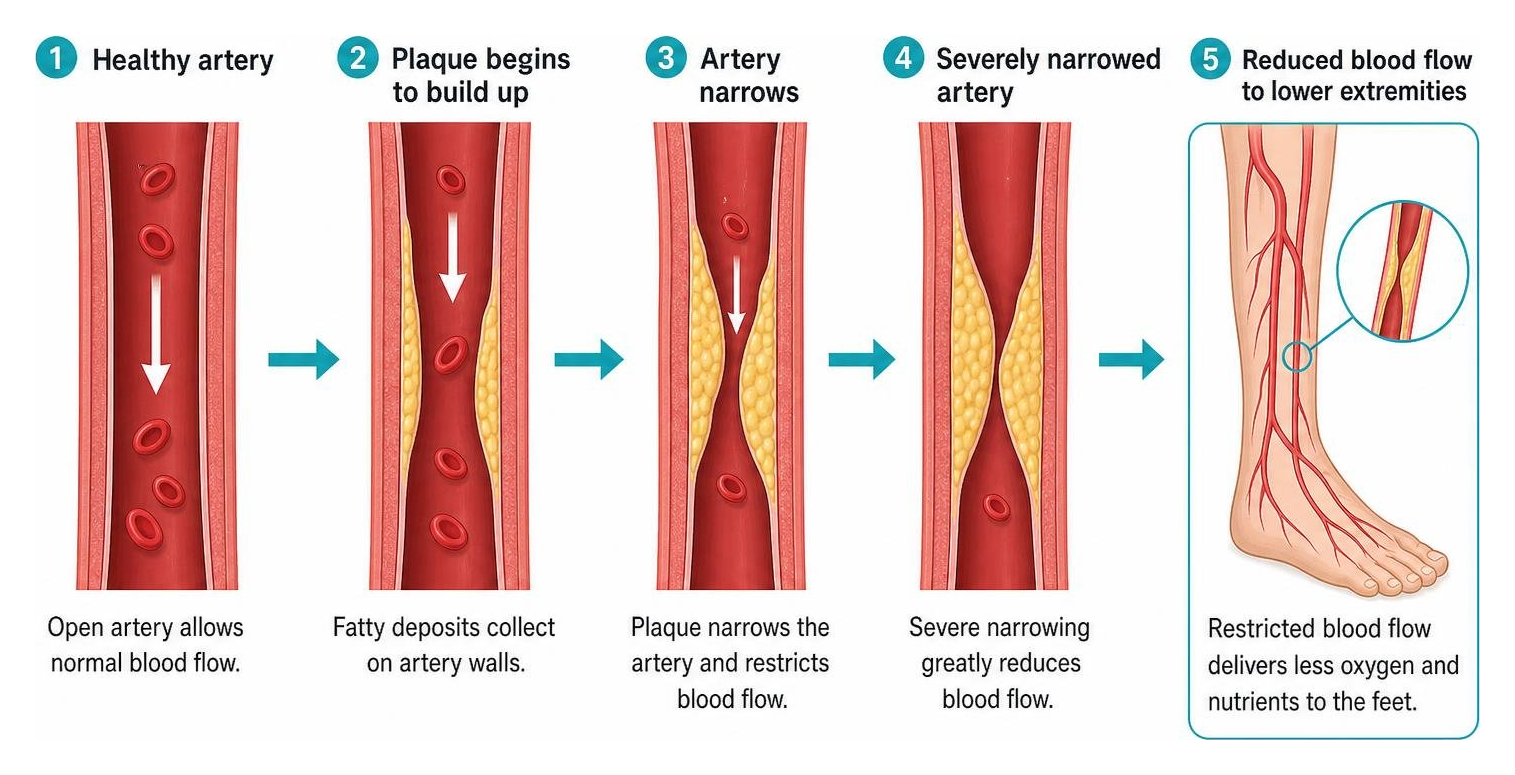
A primary driver of reduced flow is atherosclerosis, where fatty deposits, calcium, and cholesterol accumulate along arterial walls. Over time, blood vessel elasticity degrades, narrowing the lumen and restricting fluid dynamics. Adults older than 40, individuals living with obesity or diabetes, smokers, and those lead sedentary lifestyles face a significantly heightened risk. For a deeper look into systemic blood flow mechanics, explore our guide on Understanding Poor Blood Circulation Symptoms, Causes, and Treatments.
The Link Between Peripheral Artery Disease (PAD) and Circulation in Feet
Peripheral Artery Disease (PAD) represents one of the most critical causes of impaired circulation in feet. PAD occurs when plaque build-up hardens and restricts the peripheral arteries that supply blood to the legs and feet.
As arteries narrow, the foot tissues experience reduced arterial perfusion. During physical movement, such as walking, leg muscles demand more oxygenated blood. If narrowed arteries cannot meet this demand, individuals experience intermittent claudication—a cramping pain or tightness in the calves, thighs, or feet that subsides with rest.
Interestingly, clinical studies published in the British Medical Journal on blood flow characteristics in ischaemic feet demonstrate that patients with chronic atherosclerotic foot ischaemia can exhibit elevated total resting blood volume flow in the foot. However, because pulsatile pressure and microvascular dynamics are severely compromised through collateral pathways, localized skin tissue suffers from perfusion failure.
Crucially, a diagnosis of PAD means an individual is at a significantly higher risk for arterial blockages elsewhere in the body, including the coronary and carotid arteries. To understand how metabolic conditions accelerate vascular narrowing, see our detailed article on How Diabetes Causes Poor Circulation to the Lower Extremities.
How Diabetes and Aging Impair Circulation in Feet
Aging naturally reduces vascular elasticity. As arterial walls age, they become stiffer, requiring higher driving pressure to propel blood to distal extremities. However, when combined with diabetes, vascular decline accelerates rapidly.
High blood sugar levels damage the delicate endothelial lining of blood vessels, decreasing the natural synthesis of nitric oxide—the molecule responsible for signaling blood vessel relaxation (vasodilation). In the foot's microvasculature, where capillaries measure between 5 and 200 micrometers in diameter, elevated blood sugar causes structural thickening of basement membranes.
Academic research on cutaneous microcirculation of the foot emphasizes the intricate relationship between small nerve fibers and microvessels. Microvascular damage leads to endoneurial hypoxia (oxygen deprivation inside nerve structures). In turn, damaged sensory nerves lose their ability to trigger reflex vasodilation when exposed to temperature changes or minor trauma. This cycle leaves diabetic feet vulnerable to numbness, structural tissue breakdown, and slow wound healing. Readers interested in early microvascular changes can read our resource on Early Stage Diabetes and Poor Foot Circulation Explained.
Recognizing Symptoms and Diagnostic Methods
Identifying early warning signs allows us to take defensive action before severe vascular compromise occurs. Reduced blood flow produces distinct sensory, thermal, and visual markers in the lower limbs.

Common symptoms include:
- Cold Toes and Feet: Persistent coldness in one or both feet, even in warm environments, due to reduced warm arterial blood delivery.
- Numbness and Tingling: A "pins and needles" sensation or dull numbness in the toes, resulting from nerve hypoxia.
- Skin Discoloration: Pale, bluish (cyanotic), or reddish-purple skin tones on the feet and ankles.
- Slower Nail and Hair Growth: Brittle, thick toenails and sparse hair growth on the lower legs and toes.
- Muscle Weakness and Fatigue: Heavy, tired feelings in the feet and calves during routine walking.
Key Warning Signs and Red Flags
While mild coldness or fatigue can often be managed with lifestyle adjustments, certain symptoms indicate severe ischemia that demands immediate emergency medical attention:
- Rest Pain: Burning or severe aching pain in the toes or forefoot that occurs while resting or lying flat in bed, often requiring the foot to be dangled off the edge of the mattress for gravitational relief.
- Non-Healing Ulcers: Open sores, blisters, or wounds on the toes, heel, or foot that fail to heal over several weeks.
- Sudden Loss of Sensation or Function: Sudden onset of complete numbness, loss of motor control, or inability to flex the foot.
- Localized Skin Necrosis or Color Changes: Dark purple, black, or gangrenous skin tissue, indicating severe localized tissue death.
Diagnostic Tests for Lower Extremity Blood Flow
Healthcare providers rely on several non-invasive vascular tests to measure blood pressure gradients, pulse dynamics, and vessel integrity in the feet.
| Diagnostic Test | Primary Purpose | How It Works | Ideal Clinical Application |
|---|---|---|---|
| Ankle-Brachial Index (ABI) | Compares blood pressure in the ankle to blood pressure in the arm. | Doppler ultrasound probes measure systolic pressure at the brachial and ankle arteries. | Standard screening for Peripheral Artery Disease (PAD). |
| Toe-Brachial Index (TBI) | Measures blood pressure in the big toe relative to the arm. | Small pneumatic cuffs measure toe pressure non-invasively. | Preferred for diabetic patients whose ankle arteries suffer from calcification. |
| Doppler Ultrasound | Maps velocity and direction of blood flow through lower extremity blood vessels. | High-frequency sound waves bounce off red blood cells to create visual wave patterns. | Evaluating arterial blockages, venous reflux, or deep vein thrombosis (DVT). |
| Non-Contrast Perfusion MRI | Visualizes foot microvasculature down to individual toes without chemical contrast dye. | Advanced pulse techniques (such as 4-tag arterial spin labeling) trace moving arterial blood flow. | Patients with renal impairment who cannot safely receive gadolinium contrast. |
The Anatomy of the Venous Foot Pump and Blood Return
While we often think of the heart as the body's sole pump, getting blood back up from the lowest points of the body requires specialized help. The foot features its own intrinsic biological mechanism: the venous foot pump.
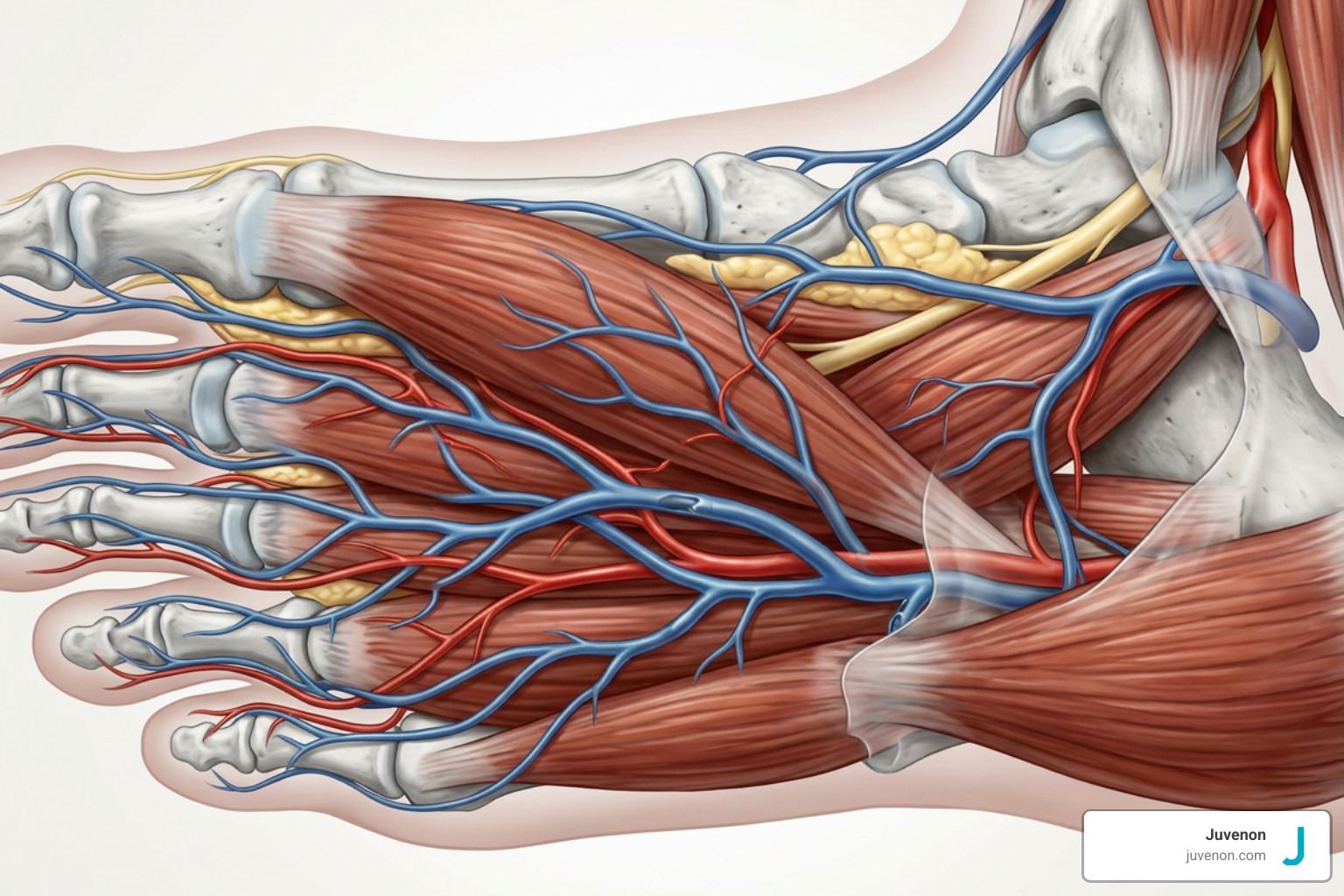
Contrary to historical assumptions that blood return relied solely on a superficial "venous sole," modern anatomical research published in Anatomical Record on the venous foot pump demonstrates that the true venous reservoir is located deep within the foot, situated between the plantar muscles.
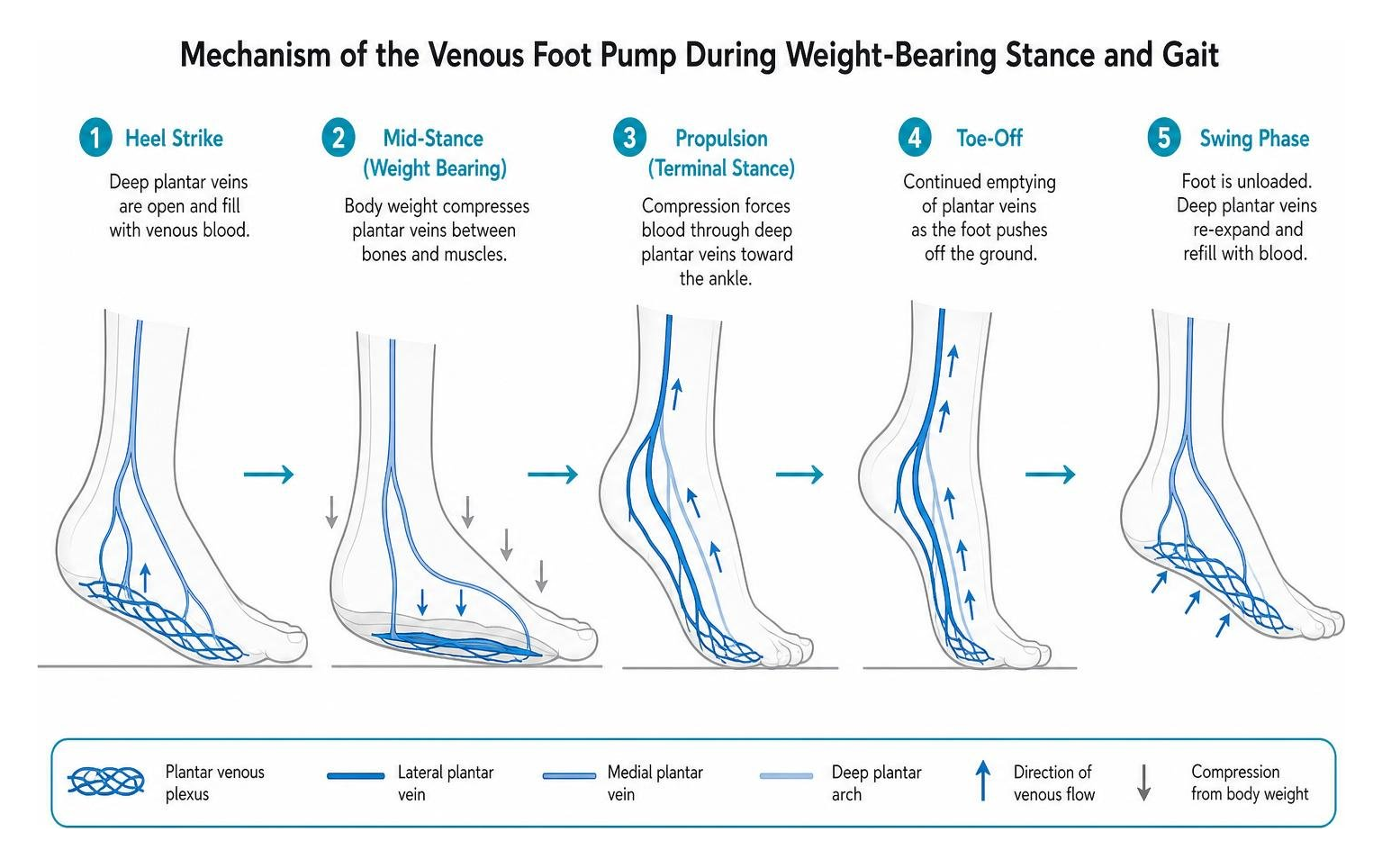
The deep plantar venous system consists of:
- The Plantar Venous Plexus: A dense network typically containing between 1 and 4 large venous trunks (averaging 2.7 veins) running diagonally across the sole.
- The Lateral Plantar Vein: An elongate venous segment averaging 84 mm in length that forms the primary storage reservoir.
- The Medial Plantar Vein: A shorter trunk averaging 38 mm in length that connects with posterior tibial veins.
- The Deep Plantar Arch: A transverse venous arch averaging 48 mm in length that bridges the medial and lateral systems.
When we take a step, two mechanical actions occur simultaneously:
- Mechanical Compression: Weight-bearing flattens the anatomical arch of the foot, stretching and compressing the deep plantar plexus against adjacent fascia and bones.
- Plantar Muscle Contraction: Flexion of the plantar muscles forcibly squeezes the deep plantar veins.
Studies detailing the physiology of the foot venous pump show that this mechanical pump expels approximately 25 mL of blood upward into the deep veins of the leg with every single step taken. The blood is driven past one-way venous valves, preventing backward flow (reflux) and working synergistically with the calf muscle pump to return blood toward the heart.
Practical Solutions and Lifestyle Changes to Improve Flow
Improving circulation in feet requires a multi-faceted approach that addresses daily activity, footwear, hydration, and targeted micro-movements.
Key non-pharmacological interventions include:
- Regular Physical Activity: Engaging in low-impact aerobic exercise, such as walking, cycling, or swimming, for at least 30 minutes on most days of the week.
- Leg Elevation: Elevating the feet above heart level for 15 to 20 minutes twice daily. This reduces venous pressure, alleviates localized swelling (edema), and uses gravity to assist fluid return.
- Warm Foot Baths: Soaking feet in warm (not hot) water dilates peripheral blood vessels (vasodilation), relaxing tight tissue and temporarily boosting microvascular flow. Note: Individuals with diabetic neuropathy should always test water temperature with an elbow or thermometer to prevent accidental burns.
- Proper Footwear & Compression Therapy: Wearing comfortable shoes with wide toe boxes prevents vessel compression. Graduated compression socks can support venous return, but individuals with severe arterial disease (low ABI) should consult a doctor before using them.
For additional strategies on enhancing leg vessel health, read our guide on From Feet to Calves: How Circulation Support Keeps Legs Healthy and check our insights on general Circulation Improvement.
Daily Exercises and Movement Routines
When sitting at a desk or traveling for extended periods, performing targeted micro-movements keeps the plantar venous pump active:
- Ankle Rotations: Lift the foot slightly and rotate the ankle in full circular motions—10 times clockwise, then 10 times counterclockwise.
- Toe Flexes and Spreads: Curl all toes tightly downward for 3 seconds, then spread them wide upward for 3 seconds. Repeat 10 times.
- Seated Heel-Toe Raises: Keeping your knees bent, lift your heels off the ground while pressing your toes down, then rock back onto your heels while lifting your toes. Repeat 15 to 20 times.
- Plantar Flexion Stretches: While seated, extend one leg forward and point your toes straight out away from your body, holding for 5 seconds before pulling your foot back toward your shin.
- Structured Walking Regimen: Take a brisk 5-minute walking break every hour to activate the deep muscle pumps of the feet and calves.
Nutritional and Supplemental Support
Supporting vascular health from within involves providing our endothelial cells with antioxidants, essential fatty acids, and key micronutrients that protect against oxidative stress.
- Dietary Nitrates: Foods rich in natural nitrates—such as beets, arugula, spinach, and celery—are converted by the body into nitric oxide, promoting smooth vascular relaxation and vasodilation.
- Antioxidant Protection & Vitamin E: Almonds, sunflower seeds, and leafy greens deliver Vitamin E and polyphenols, protecting delicate microvessels from oxidative damage and promoting blood vessel flexibility.
- Targeted Vascular Supplements: Dietary formulas that incorporate botanical extracts, amino acids like L-arginine or L-citrulline, and essential vitamins help nourish the vascular lining.
To optimize your nutritional routine, check our article on 5 Circulation Boosting Foods and explore our curated selection of Best Circulation and Vein Support Supplements.
Frequently Asked Questions About Foot Circulation
How can I tell if poor circulation in my feet requires emergency care?
You should seek emergency medical evaluation immediately if you experience a sudden onset of total numbness, severe leg or foot pain while resting, skin that turns blue, pale, or black, or a foot that suddenly becomes cold to the touch. These symptoms can indicate acute arterial occlusion (a sudden blood clot) or severe critical limb ischemia.
Does soaking feet in warm water really improve blood flow?
Yes, immersing feet in warm water causes temperature-induced vasodilation, loosening narrowed smooth muscle in blood vessels and temporarily increasing microvascular blood flow to skin tissue. However, water temperature must be kept comfortably warm (under 100°F / 38°C) to avoid skin injury, especially for individuals with reduced temperature sensitivity due to neuropathy.
Can static foot disorders or flat feet affect blood circulation?
Yes. Anatomical research indicates that flat feet (pes planus) or rigid static foot deformities alter the biomechanics of the foot arch. Because activation of the deep plantar venous pump relies on mechanical flattening and muscular contraction during gait stance, static structural issues can impair the efficiency of the venous foot pump, increasing susceptibility to chronic venous insufficiency and localized swelling.
Conclusion
Optimal circulation in feet is essential for maintaining mobility, protecting nerve tissue, and supporting long-term lower extremity health. By understanding the underlying causes of impaired flow—ranging from arterial plaque and diabetes to venous pump mechanics—we can take proactive steps to safeguard our vascular system.
Through a balanced combination of daily physical movement, leg elevation, microvascular-friendly nutrition, proper footwear, and targeted supplemental support, we can maintain strong, healthy blood flow to our feet. At Juvenon, we remain dedicated to providing scientifically backed wellness solutions that support your vitality from head to toe. Learn more about proven ways to increase blood flow and take control of your circulatory health today.