How Fish Oil Circulation Benefits Impact Endothelial Function

The inner lining of your blood vessels, known as the vascular endothelium, plays a critical role in controlling blood pressure, maintaining vascular flexibility, and directing blood flow throughout your body. When we look at fish oil circulation dynamics, marine omega-3 fatty acids—specifically eicosapentaenoic acid (EPA) and docosahexaenoic acid (DHA)—interact directly with these endothelial cells.
When endothelial cells become activated or inflamed due to stress, aging, or poor diet, they express adhesion molecules like ICAM-1 (intercellular adhesion molecule-1) and chemoattractant proteins like MCP-1 (monocyte chemoattractant protein-1). These signals attract inflammatory cells to the vessel wall, creating a stiff, constricted environment that limits natural blood flow.
Research demonstrates that omega-3 supplementation can significantly alter these biomarkers. However, the relationship between dosage and endothelial health reveals a fascinating U-shaped dose response. According to a landmark Study on fish oil and vascular endothelial function, a modest daily intake of 1 gram of fish oil provided superior anti-inflammatory benefits compared to higher doses of 2 grams or 4 grams per day. In middle-aged and older adults, this modest 1 g/day dose reduced circulating ICAM-1 levels by 24.21% and MCP-1 levels by 27.38%. Surprisingly, increasing the dosage beyond 1 gram daily yielded no incremental vascular benefit.
Beyond managing inflammatory biomarkers, omega-3s influence nitric oxide production, a compound essential for encouraging vessel relaxation and smooth flow. Exploring Essential Vitamins for Enhanced Blood Flow and Circulation can help you understand how fundamental nutrients work alongside fatty acids to support overall vascular structure.
Biological Mechanisms of Fish Oil Circulation
To truly understand how fish oil circulation mechanisms operate at the cellular level, we have to look closely at microscopic messengers called extracellular vesicles (EVs) and their relationship to blood coagulation.
Extracellular vesicles are tiny, membrane-bound particles released by platelets and endothelial cells that float through your bloodstream. High counts of these vesicles can trigger excessive thrombin generation, leading to increased platelet stickiness and procoagulant activity. This biological environment increases the risk of unwanted clotting and sluggish circulation.
A trial exploring Research on high-dose fish oil and extracellular vesicles highlighted a distinct difference between dietary fish intake and concentrated supplementation. Healthy adults receiving 1.5 grams per day of EPA via high-dose fish oil experienced a measurable reduction in circulating EV counts and a suppression of EV-stimulated thrombin generation. In contrast, consuming oily fish twice weekly (providing roughly 0.4 grams per day of EPA) failed to achieve this specific EV-lowering threshold. While both strategies effectively incorporate omega-3s into red blood cell membranes, suppressing procoagulant EV activity requires reaching a specific daily EPA dose threshold.
Microvascular Flow and Fish Oil Circulation
While large arteries carry major blood flow from the heart, your microvascular network—the microscopic capillaries supplying oxygen directly to tissues—dictates day-to-day vitality and tissue health. Poor microvascular flow often manifests as cold extremities or localized fatigue, a topic fully detailed in our guide on Understanding Poor Blood Circulation: Symptoms, Causes, and Treatments.
Recent clinical data shows that combining omega-3s with synergistic antioxidants can specifically target microvascular dynamics in individuals dealing with elevated blood pressure. A 3-week clinical Trial on compound fish oil and microvascular function evaluated hypertensive individuals taking compound capsules containing fish oil, resveratrol, astaxanthin, and CoQ10.

Using advanced non-invasive ultrasound, researchers tracked changes in the coronary artery. The compound supplement significantly improved tissue perfusion parameters:
- End-Diastolic Velocity (EDV): Showed a statistically significant increase (mean difference in change: 1.95), reflecting better blood movement during the resting phase of the heart cycle.
- Peak Diastolic Velocity (PDV): Increased notably (mean difference in change: 2.95), indicating smoother microvascular recharge into heart tissues.
Interestingly, this short 3-week study noted microvascular improvements in the heart without altering skin or brain microcirculation, proving that distinct tissue beds respond to nutritional interventions at different speeds.
The Dual Paradox: Atrial Fibrillation and Stroke Risk vs. Heart Protection
For decades, popular media painted a simple picture: fish oil is universally good for every aspect of cardiovascular health. Modern clinical evidence reveals a far more complex reality. The impact of omega-3 supplements varies dramatically depending on whether an individual is completely healthy or managing pre-existing cardiovascular conditions.
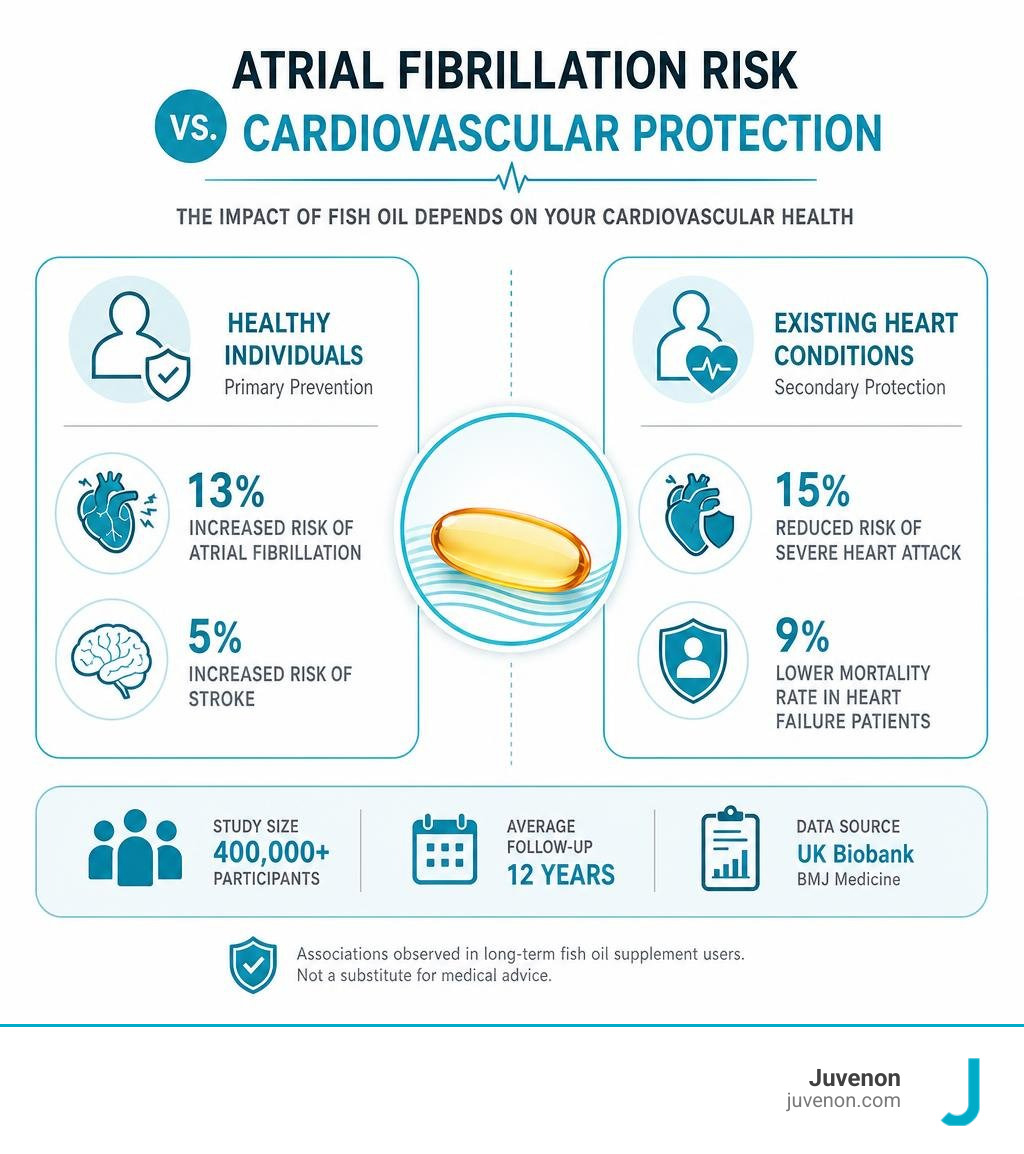
A comprehensive analysis published in BMJ Medicine tracking over 400,000 UK Biobank participants over an average of 12 years brought this contrast into focus:
- For Healthy Individuals (Primary Prevention): Regular, long-term use of over-the-counter fish oil supplements in people without known heart disease was associated with a 13% increased risk of developing atrial fibrillation (AF) and a 5% increased risk of suffering a stroke compared to non-users.
- For Individuals with Existing Heart Disease (Secondary Protection): For participants who already had heart failure or established atrial fibrillation, regular fish oil use demonstrated protective properties. It was linked to a 15% reduced risk of progressing to a severe heart attack and a 9% lower mortality rate among heart failure patients.
This stark difference highlights the fine line between primary wellness routines and targeted clinical protection. Detailed breakdowns of this population data can be found in the landmark BMJ Medicine UK Biobank study analysis.
Pro-Arrhythmic vs. Anti-Arrhythmic Mechanisms
Why would the same molecule offer tissue protection while simultaneously increasing the risk of an irregular heart rhythm like atrial fibrillation? The secret lies in how marine fatty acids alter cardiac ion channels and electrical pathways in heart tissue.
At moderate dietary levels, EPA and DHA insert into cardiac cell membranes, stabilizing electrical signaling and preventing dangerous, chaotic ventricular rhythms. However, when high-dose n-3 PUFAs saturate atrial cell membranes, they can alter the balance of potassium, calcium, and sodium channels.
As detailed in a thorough Medical review on omega-3 fatty acids and arrhythmias, high-dose prescription and supplemental omega-3 formulations display dose-dependent pro-arrhythmic risks. By shortening the atrial refractory period and altering local conduction velocity, high doses of pure EPA or EPA/DHA combinations create a physical substrate that allows erratic electrical loops to form in the upper chambers of the heart.
Whole Fish vs. Supplements: Scientific Consensus and Clinical Guidelines
When major health organizations evaluate fish oil circulation claims, they consistently draw a sharp line between eating whole seafood and taking concentrated, over-the-counter supplement capsules.
The American Heart Association (AHA) recommends consuming two 3.5-ounce servings of cooked fatty fish per week (such as wild salmon, mackerel, herring, or sardines). Whole fish delivers a rich array of supportive minerals, high-quality proteins, and essential amino acids like arginine and glutamine, alongside marine fats. This food matrix supports overall arterial elasticity without exposing healthy adults to concentrated, pro-arrhythmic lipid peaks.
Conversely, guidelines from the UK's National Institute for Health and Care Excellence (NICE) explicitly advise against prescribing or recommending routine over-the-counter fish oil supplements for primary cardiovascular prevention. For individuals seeking non-supplemental ways to support their circulatory system, exploring 5 Circulation Boosting Foods offers practical whole-food alternatives.
| Approach | Typical Daily EPA/DHA Yield | Primary Benefit Target | Arrhythmia Risk |
|---|---|---|---|
| Dietary Seafood (2 servings/week) | ~150 to 500 mg/day avg | Endothelial support, basic dietary baseline | Extremely low |
| OTC Fish Oil Capsules (1–2 daily) | ~300 to 1,000 mg/day | General nutrition (variable quality) | Low to Moderate |
| Prescription EPA Monotherapy | 2,000 to 4,000 mg/day | Severe hypertriglyceridemia, high-risk secondary care | Requires clinical oversight |
Full details on nutritional strategies are outlined in the official AHA scientific statement on fish oil and heart health.
Evaluating Major Clinical Studies and Their Limitations
Understanding why different clinical trials reveal conflicting outcomes requires analyzing how each trial was designed. Observational studies, while massive in scope, track correlations rather than direct cause-and-effect, whereas randomized controlled trials (RCTs) isolate biological effects under strict supervision.
A comprehensive review of trial data reveals crucial methodological nuances:
- UK Biobank Study: Included over 415,000 participants, showing clear long-term trends. However, its primary weakness is its reliance on self-reported supplement use without verification of specific brand purity, EPA/DHA ratios, or daily dosages. Furthermore, over 95% of the study demographic was of White ethnicity, limiting broad applicability.
- REDUCE-IT Trial: Evaluated high-dose, highly purified EPA monotherapy (4g/day) in high-risk patients with elevated triglycerides. It demonstrated a dramatic 25% reduction in major adverse cardiovascular events. However, critics note the trial used a mineral oil placebo, which may have artificially inflated the apparent benefits by slightly increasing LDL cholesterol and inflammatory markers in the control group.
- STRENGTH Trial: Tested a high-dose combination of EPA and DHA (4g/day) using a corn oil placebo in a similar high-risk population. This study was halted early for futility because the treatment showed no significant difference in reducing major cardiovascular events compared to the placebo, while still demonstrating an increased risk of incident atrial fibrillation.
- VITAL Trial: Analyzed standard daily doses (840 mg EPA+DHA) for primary prevention in a broad, diverse cohort of over 25,000 adults. It found no overall reduction in major cardiovascular events, confirming that baseline nutritional health plays a huge role in supplement efficacy.
A complete critical evaluation of these clinical trial landscapes is detailed in the Harvard Health report on fish oil supplement evidence.
Optimizing Your Vascular Support Strategy
Navigating your health choices shouldn't feel like navigating a storm at sea. Achieving smooth blood flow and long-term vascular flexibility involves a multi-layered approach that prioritizes proven lifestyle fundamentals first.
To build an effective personal strategy for circulatory wellness:
- Prioritize Whole Foods: Embrace a Mediterranean-style eating plan centered on fresh vegetables, leafy greens, legumes, nuts, extra virgin olive oil, and two weekly servings of low-mercury wild fish like salmon or sardines.
- Stay Consistently Active: Aim for 30 to 60 minutes of daily aerobic movement, such as brisk walking, swimming, or cycling. Physical exercise naturally triggers nitric oxide release, keeping blood vessel walls flexible and responsive.
- Evaluate Targeted Circulation Strategies: If you choose to explore non-fish-oil vascular support options, review our guides on Boost Your Flow: Best Circulation and Vein Support Supplements and How to Improve Circulation: 5 Methods That Guarantee Results.
- Monitor Your Cardiovascular Numbers: Work alongside your physician to track baseline blood pressure, systemic inflammatory markers (like hs-CRP), fast-acting lipid profiles, and basic heart rhythms before starting or stopping any concentrated supplementation routine.
Frequently Asked Questions About Fish Oil and Circulation
Does fish oil improve blood circulation?
Fish oil can support systemic blood flow by reducing vascular inflammatory markers (such as ICAM-1 and MCP-1), lowering elevated blood triglyceride levels, and reducing excessive platelet stickiness. However, fish oil supplements are not a direct cure or immediate remedy for underlying vascular diseases or severe peripheral arterial blockages.
Can healthy people take fish oil for heart disease prevention?
Current clinical guidelines from major health organizations do not recommend routine over-the-counter fish oil supplement use for primary heart disease prevention in otherwise healthy adults. Large observational studies suggest that in healthy individuals, daily supplement intake does not significantly lower heart attack risks and may modestly increase the risk of incident atrial fibrillation and stroke. Obtaining marine fats from whole dietary fish is the preferred approach.
How much fish oil should you take for vascular health?
For overall nutritional balance, clinical studies evaluating endothelial function indicate that a modest intake of approximately 1 gram per day of fish oil (providing roughly 300 mg to 500 mg of combined EPA and DHA) offers optimal vascular support without the higher arrhythmia risks seen with heavy dosages. Always consult your healthcare provider to determine the precise dosage that aligns with your specific personal medical history.
Conclusion
At Juvenon, we believe that true longevity and biological vitality depend on evidence-based health choices. The story of fish oil circulation reminds us that more is not always better; understanding exact cellular mechanisms, proper daily dosages, and personal baseline health is essential for making smart decisions about your body.
By prioritizing a nutrient-rich diet, active living, and targeted nutritional care, you can take control of your long-term cardiovascular health. To explore more strategies for supporting your blood vessels and energetic lifestyle, Learn Effective Ways to Increase Blood Flow with our expert educational resources today.