Why Circulation Supplements Deserve a Closer Look

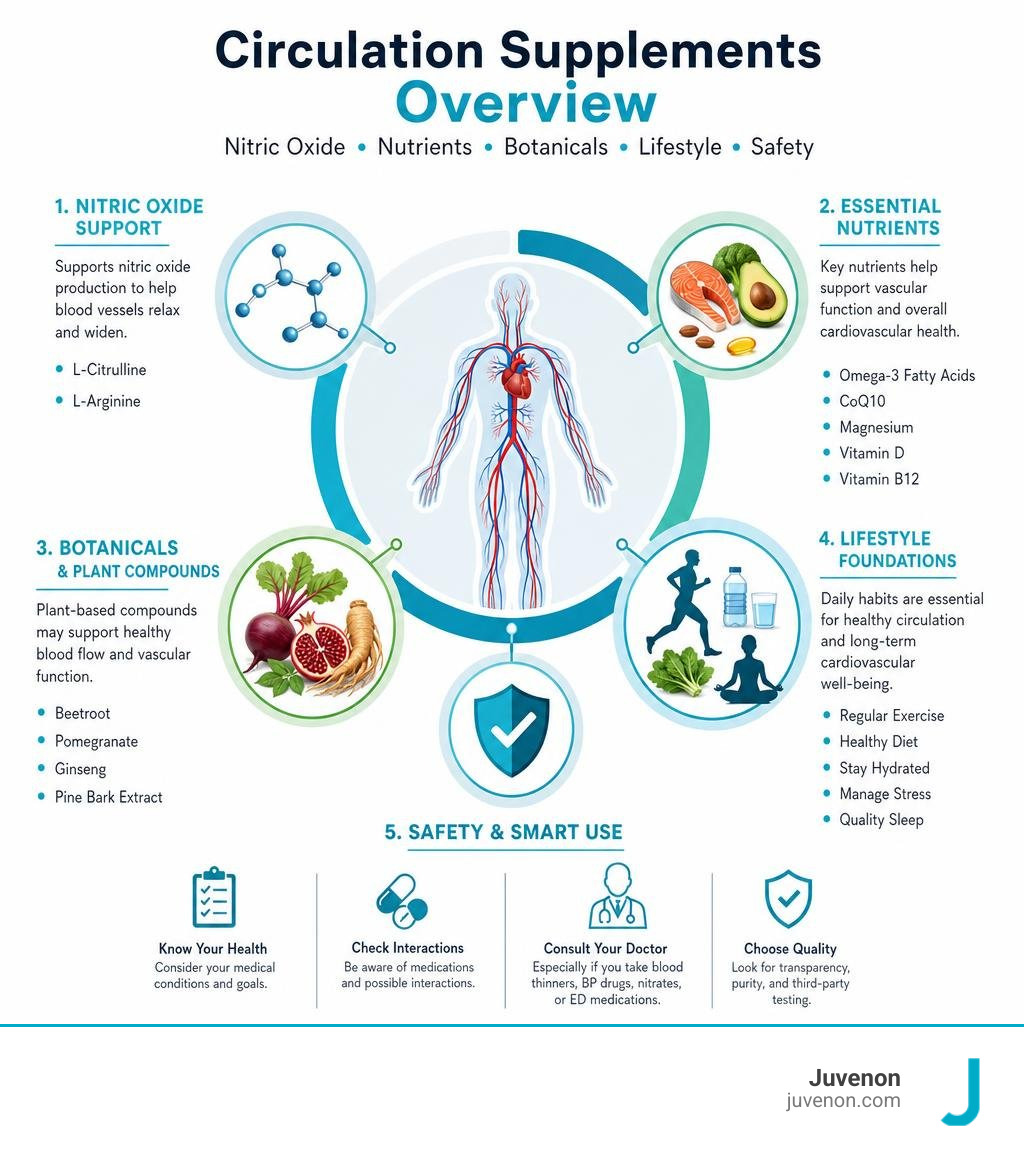
Circulation supplements may support healthy blood flow by helping blood vessels relax, protecting endothelial cells that line the arteries, or correcting nutrient deficiencies. The strongest options are not a cure for artery disease or erectile dysfunction, but ingredients such as L-citrulline, omega-3 fatty acids, magnesium, vitamin D when deficient, and CoQ10 may play a useful supporting role alongside healthy habits and medical care.
Quick answer: effective circulation support usually starts with these evidence-based categories:
- Nitric oxide support: L-citrulline and L-arginine can help the body make nitric oxide, a molecule that signals blood vessels to widen.
- Heart and artery support: Omega-3s and CoQ10 may support arterial flexibility and healthy blood pressure.
- Deficiency correction: Low vitamin D, vitamin B12, or magnesium can affect vascular and nerve health, especially with age.
- Plant compounds: Beetroot, pomegranate, ginseng, and other botanicals have varying levels of evidence and can interact with medications.
Blood flow affects far more than cold hands or tired legs. It helps deliver oxygen and nutrients to every organ, including the heart, brain, muscles, and sexual tissues. In adults over 40, changes in circulation can also be an early clue that blood pressure, blood sugar, artery health, or medication effects need attention.
That is why supplements deserve a careful, practical review rather than a quick purchase. The right choice depends on your goals, current health, lab results, and medications - particularly if you use blood thinners, blood pressure drugs, nitrate medicines, or ED treatments.
I am Michelle M. Henson, a copywriting leader and legal compliance editor with more than 20 years of experience translating health topics into clear, responsible guidance. In writing about circulation supplements, I focus on the evidence, realistic expectations, and safety details people need before adding a product to their routine.
Understanding Vascular Health and the Science of Blood Flow
To choose the right circulation supplements, we first need to understand how our vascular network functions. Our cardiovascular system relies on thousands of miles of blood vessels to deliver oxygenated blood and essential nutrients to every cell while sweeping away metabolic waste.
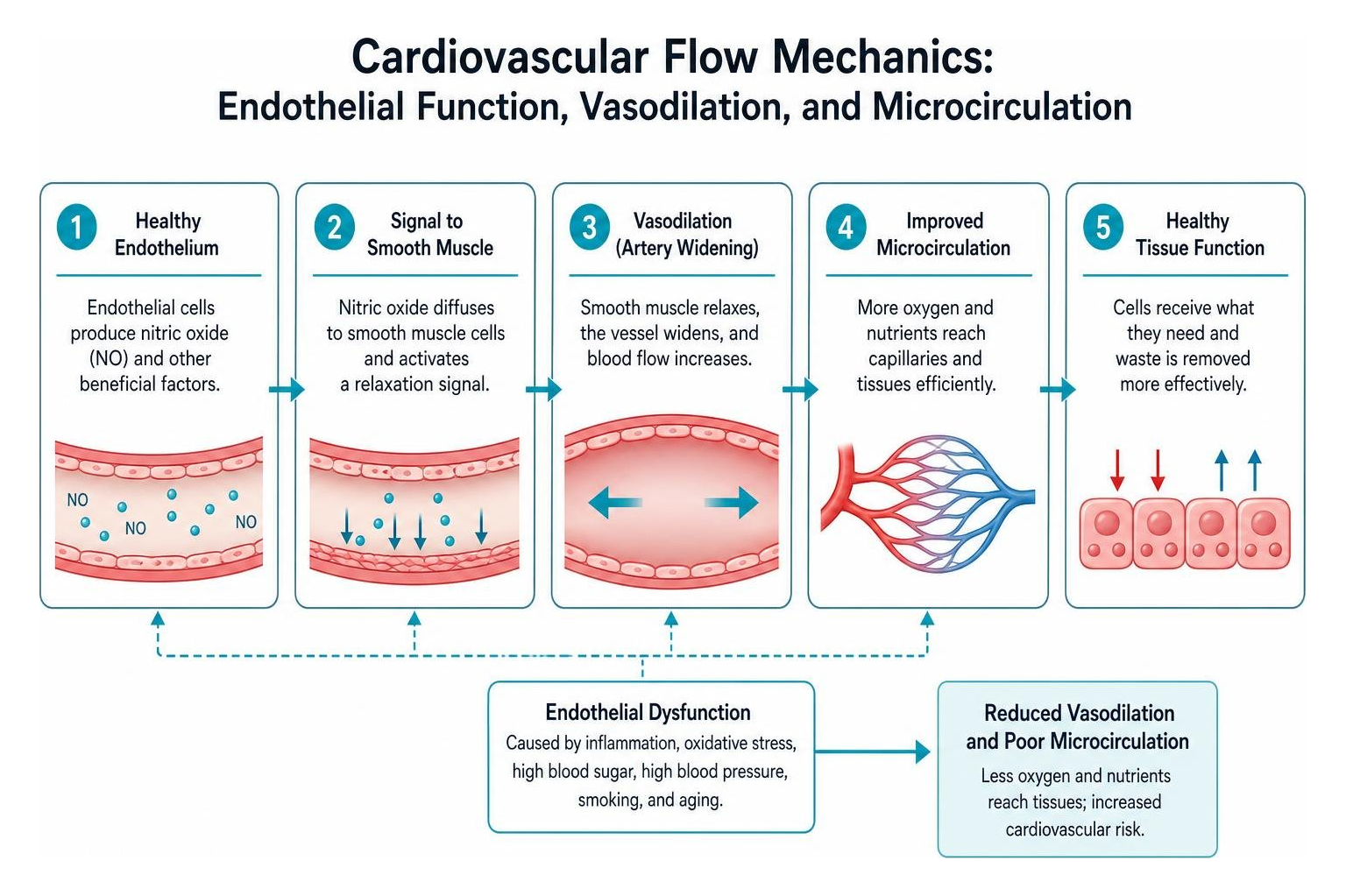
At the heart of this network is the endothelium—a thin single layer of specialized cells lining the interior surface of every blood vessel. Healthy endothelial cells act like a smart control center. They release signaling molecules that instruct arterial smooth muscle to expand (vasodilation) or contract (vasoconstriction) based on physical activity, stress levels, and tissue demand.
As we age, arterial elasticity naturally declines. Factors like chronic inflammation, oxidative stress, elevated blood sugar, and high blood pressure can damage endothelial cells. When these cells become dysfunctional, blood vessels lose their ability to flex easily. This leads to impaired microcirculation—the tiny vascular networks feeding our extremities, eyes, brain, and sensitive pelvic tissues.
To explore more about recognizing the signs of diminished blood flow, read our guide on Understanding Poor Blood Circulation Symptoms, Causes, and Treatments.
Penile Arteries vs. Coronary Arteries as Warning Indicators
Many people view blood flow issues as separate isolated problems—such as cold feet in winter or occasional performance concerns in the bedroom. However, systemic circulation is interconnected. In fact, changes in pelvic blood flow often serve as an early warning sign for general cardiovascular wellness.
The reason comes down to basic anatomy and arterial diameter:
- Penile arterial diameter: The cavernous arteries that carry blood to pelvic tissues are tiny, measuring approximately 1.0 to 2.0 millimeters in diameter.
- Coronary arterial diameter: The main blood vessels supplying the heart muscle are noticeably larger, ranging from 3.0 to 4.0 millimeters in diameter.
- Carotid arterial diameter: The blood vessels feeding the brain are larger still, typically measuring 5.0 to 7.0 millimeters.
Because penile arteries are significantly narrower, endothelial dysfunction and early plaque buildup usually show up there first. Vascular stiffness limits blood flow to smaller vessels long before it restricts flow in larger coronary arteries. For men over 60, experiencing erectile dysfunction is often an early indicator of underlying vascular health issues rather than simply a decrease in hormone production.
To better understand how vascular mechanics influence sexual health, take a look at our In-Depth Guide to Nitric Oxide's Role in Erectile Dysfunction.
Key Ingredients to Look For in Natural Circulation Supplements

When evaluating circulation supplements, navigating ingredient labels can feel overwhelming. We recommend looking for formulas that combine clinically validated compounds targeting distinct pathways: boosting nitric oxide production, protecting endothelial cells from oxidative damage, and maintaining arterial flexibility.
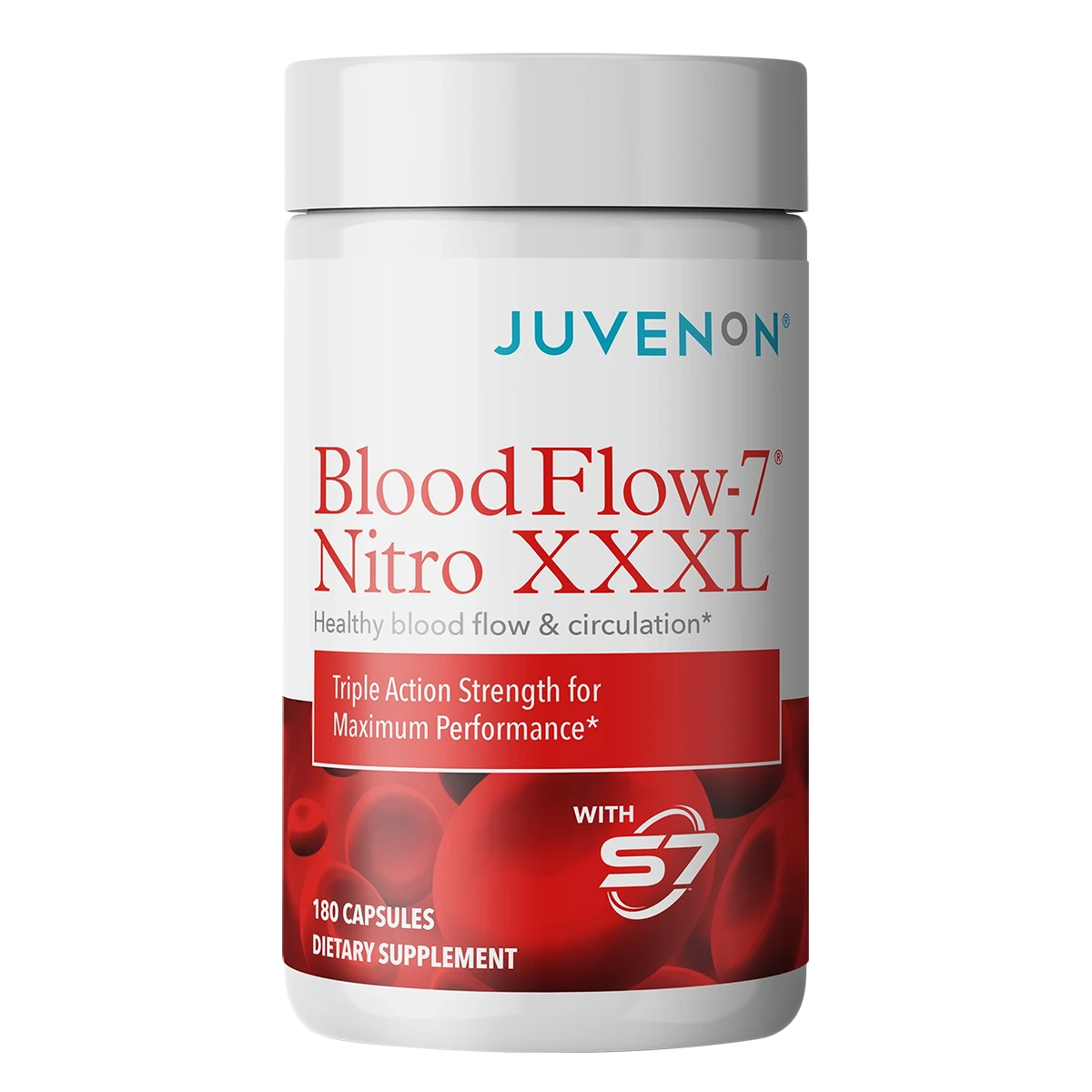
If you are curious about how high-potency formulations combine these elements, check out our breakdown of 5 Ingredients That Make Our Bloodflow 7 Supplement So Effective.
How Nitric Oxide Boosters Enhance Circulation Supplements
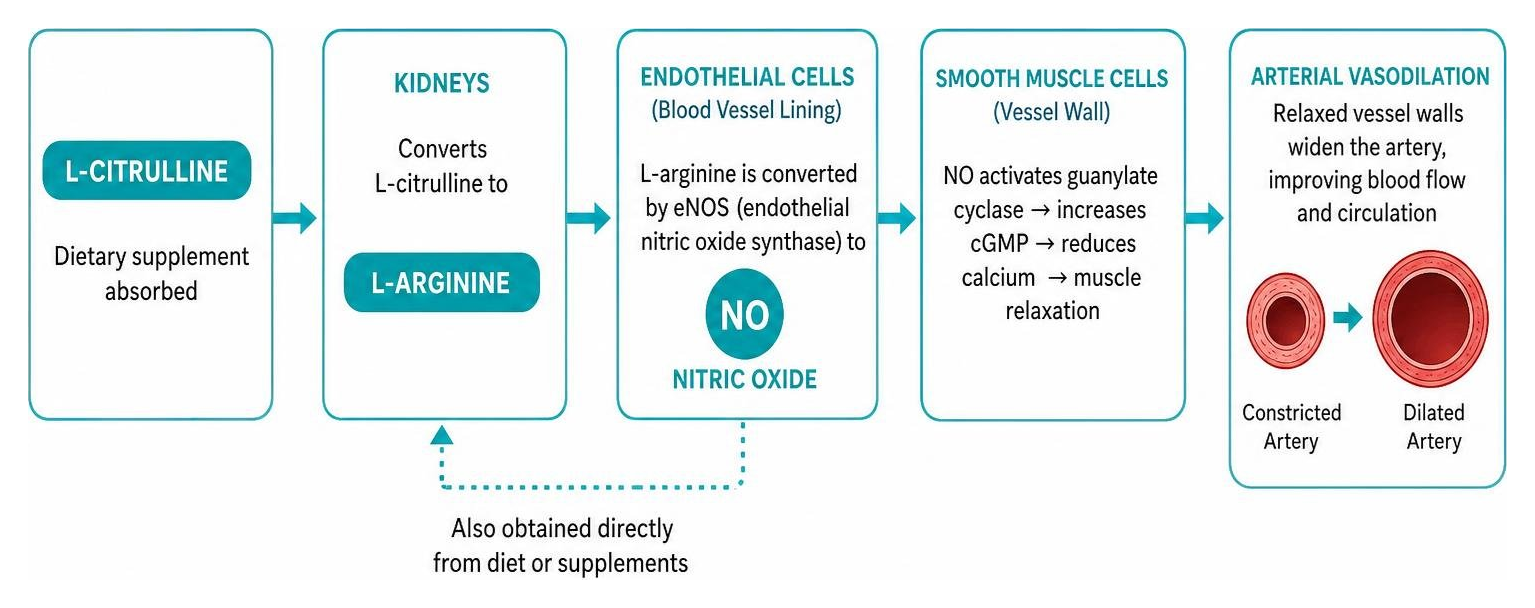
Nitric oxide (NO) is a vital gas produced in the body that signals blood vessel walls to relax, widening the pathway for smoother blood flow. Without adequate nitric oxide, arteries remain tight, increasing physical resistance and placing greater strain on the heart.
Key amino acids and specialized compounds help fuel this process:
- L-Arginine: As a direct biological precursor to nitric oxide, typical daily dosages of 3 to 6 grams support vascular relaxation and endothelial health. You can learn more in our detailed review of The A to Z of L-Arginine Benefits What You Need to Know.
- L-Citrulline: Often preferred over L-arginine by researchers because it bypasses initial digestion in the stomach. The kidneys convert L-citrulline into L-arginine, leading to higher, longer-lasting blood levels of arginine and sustained nitric oxide production.
- Nitrosigine® (Inositol-Stabilized Arginine Silicate): A modern, bioavailable complex that combines arginine with silicon to rapidly enhance blood flow and keep nitric oxide levels elevated for hours. Read our guide on Nitrosigine® for ED Boost Erectile Function Naturally for more details.
Herbal Compounds and Botanicals in Circulation Supplements
Traditional herbal medicine and modern clinical trials highlight several powerful plant extracts that work alongside vitamins and amino acids to improve vascular flow:
- Beetroot & Pomegranate: Both are packed with natural dietary nitrates and polyphenol antioxidants. Beetroot pathways convert natural nitrates directly into nitric oxide, while pomegranate polyphenols shield nitric oxide from oxidative destruction.
- Ginseng (Panax Ginseng): Known for boosting vitality, red ginseng promotes endothelial nitric oxide synthesis, supporting both peripheral circulation and physical stamina.
- Horny Goat Weed (Icariin): Contains the active compound icariin, which inhibits the PDE-5 enzyme to help preserve nitric oxide levels in target tissues.
- Cayenne Pepper (Capsaicin): Capsaicin stimulates sensory receptors in blood vessels, promoting healthy circulation and encouraging blood flow to cold extremities.
- Ginkgo Biloba & Butcher's Broom: Ginkgo biloba reduces blood viscosity and supports microcirculation to the brain, while butcher's broom helps strengthen venous walls and reduce lower leg heaviness.
Essential Vitamins and Minerals for Arterial Support
In addition to nitric oxide boosters and plant extracts, correcting underlying vitamin and mineral deficiencies is essential for long-term arterial support. Explore 7 Vitamins to Improve Blood Circulation Effectively to dive deeper into targeted nutritional choices.
Key micronutrients include:
- Vitamin D: Deficiencies are widespread in older adults and strongly linked to endothelial dysfunction and vascular stiffness. Research confirms that low vitamin D levels correlate directly with higher rates of erectile dysfunction. Daily supplementation of 1,000 to 2,000 IU helps keep vessel walls pliable.
- Vitamin B12 & Folate: Stomach acid levels naturally drop with age, reducing B12 absorption. Low B12 increases homocysteine—an amino acid that can damage arterial linings and encourage plaque build-up.
- Magnesium: This essential mineral helps vascular smooth muscle relax. Standard daily doses of 200 to 400 mg support healthy blood pressure and reduce arterial resistance.
- Omega-3 Fatty Acids (Fish Oil): Delivering 1,000 to 2,000 mg of combined EPA/DHA daily supports arterial flexibility, reduces systemic inflammation, and maintains healthy blood viscosity. Read more on how marine oils help in our guide on Fish Oil Circulation.
- Coenzyme Q10 (CoQ10): Vital for cellular energy production inside cardiac tissue. CoQ10 is particularly important for individuals taking statin medications, as statins deplete natural CoQ10 stores. Daily supplementation supports endothelial cell function and overall cardiovascular strength.
Evaluating Safety, Dosage, and Medication Interactions

While quality circulation supplements offer exceptional benefits for overall vitality, natural compounds possess real biological activity. Therefore, safety, correct dosing, and awareness of drug interactions must come first.
Before introducing new vascular supplements to your routine, consider these critical interactions:
- Blood Thinners (Anticoagulants/Antiplatelets): Supplements like high-dose ginkgo biloba, cayenne, omega-3s, and vitamin E possess mild blood-thinning qualities. Combining them with medications like warfarin, aspirin, or clopidogrel can increase the risk of bruising or bleeding.
- Antihypertensive Medications: Ingredients that lower blood pressure—such as magnesium, L-arginine, L-citrulline, and beetroot extracts—can interact with prescription blood pressure drugs, occasionally causing blood pressure to drop too low (hypotension).
- Nitrate Medications & ED Drugs: Taking nitric oxide boosters alongside prescription nitrates (like nitroglycerin) or PDE-5 inhibitors (like sildenafil) can trigger a sudden, dangerous drop in blood pressure.
Always disclose all dietary supplements to your prescribing physician. For a comprehensive look at potential side effects, read our article on Nitrosigine Side Effects Everything You Need to Know.
Red Flags and When to Seek Medical Attention
Dietary supplements are designed to support and maintain healthy bodily functions, not to treat acute vascular disease or medical emergencies. You should seek immediate professional medical care if you experience any of these warning signs:
- Sudden, severe weakness, numbness, or tingling on one side of your face or body.
- Chest pressure, tightness, pain, or unexplained shortness of breath.
- Severe pain, coolness, pale skin, or blue discoloration in a leg or foot (potential signs of deep vein thrombosis or peripheral artery occlusion).
- Sudden leg swelling accompanied by localized heat and pain.
- Painful cramping in your calves during brief walks that goes away with rest (intermittent claudication).
A Step-by-Step 8-Week Protocol for Vascular Improvement
To help you get the most out of your lifestyle changes and targeted nutritional support, we developed a practical, phased 8-week protocol. This structured timeline allows your body to adjust to baseline lifestyle habits before introducing higher levels of supplementation.
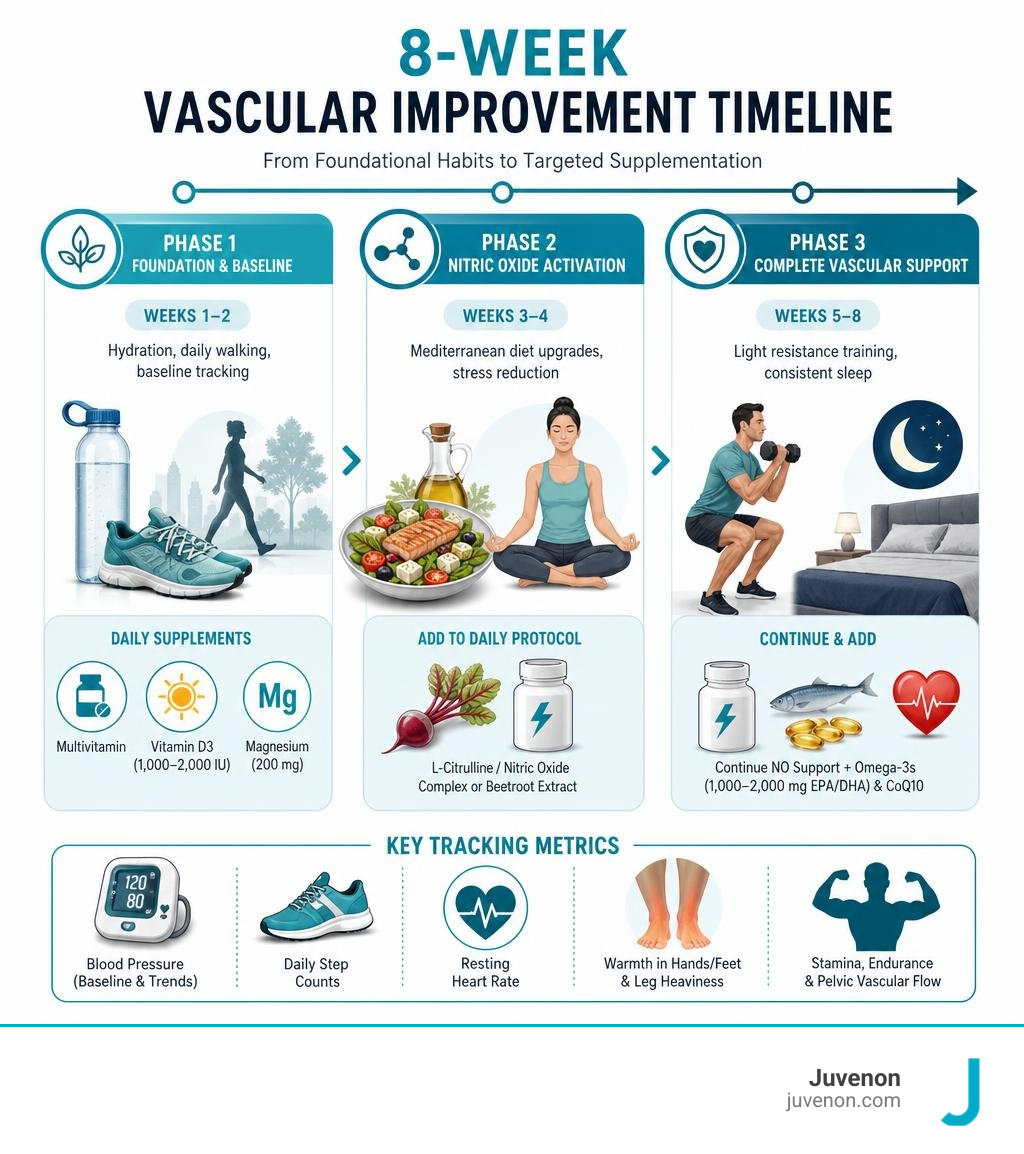
| Phase | Weeks | Core Focus | Daily Supplement Protocol | Key Tracking Metrics |
|---|---|---|---|---|
| Phase 1: Foundation & Baseline | Weeks 1–2 | Hydration, daily walking, baseline blood pressure tracking | Basic multivitamin, Vitamin D3 (1,000–2,000 IU), Magnesium (200 mg) | Baseline blood pressure, daily step counts, resting heart rate |
| Phase 2: Nitric Oxide Activation | Weeks 3–4 | Mediterranean diet upgrades, stress reduction techniques | Add L-Citrulline / Nitrosigine complex or Beetroot extract | Warmth in hands/feet, workout endurance, initial morning energy |
| Phase 3: Complete Vascular Support | Weeks 5–8 | Light resistance training, consistent sleep routine (7-8 hours) | Continue NO support, add Omega-3s (1,000–2,000 mg EPA/DHA) & CoQ10 | Blood pressure trends, leg heaviness, stamina, pelvic vascular flow |
Essential Lifestyle Habits to Amplify Vascular Improvement
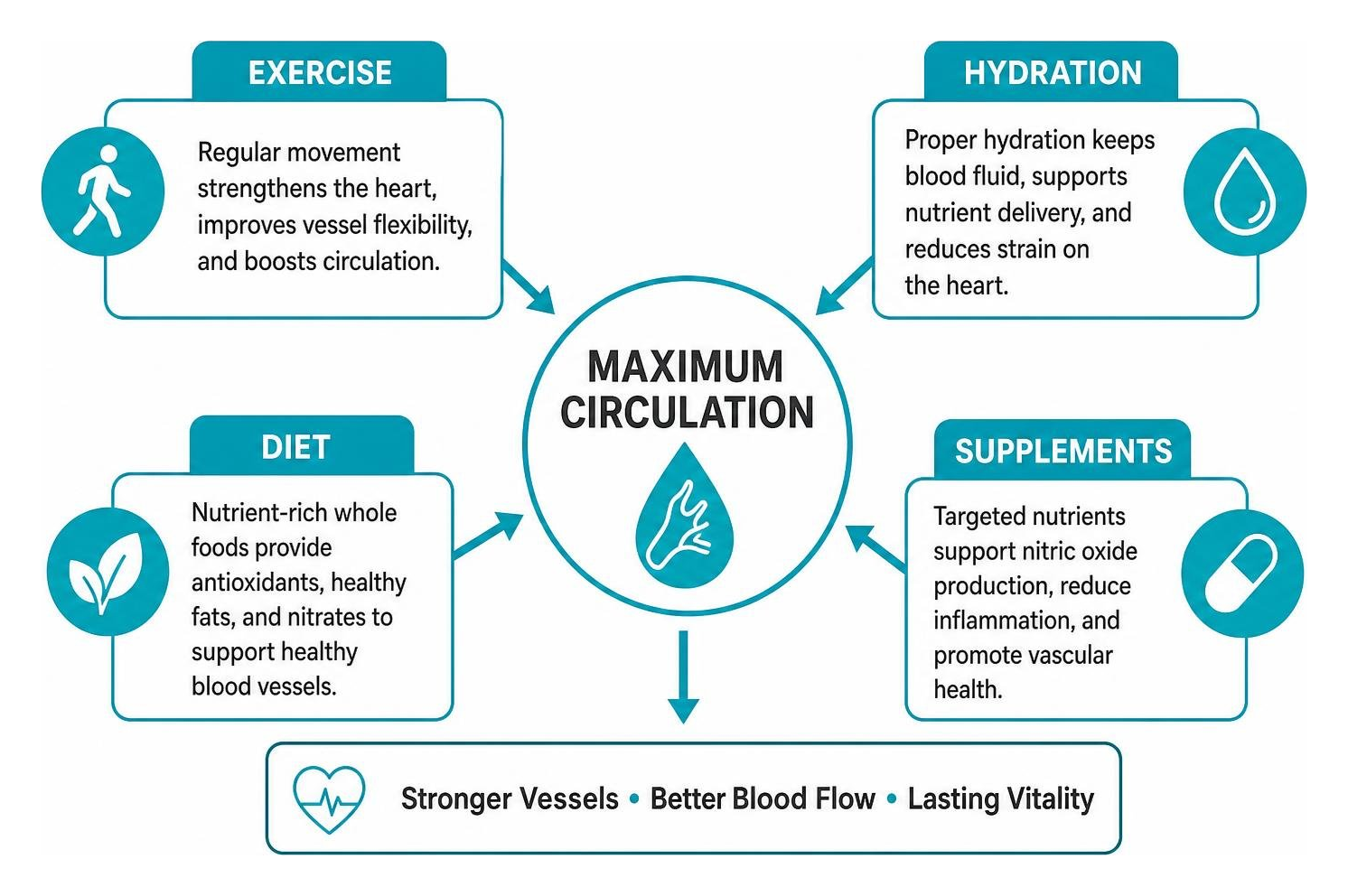
Nutritional supplements deliver their best results when built on a solid foundation of daily health habits. If bad habits continue to damage blood vessels, even the best ingredients will struggle to make a difference.
To optimize your systemic blood flow, focus on these five core daily habits:
- Engage in daily aerobic movement: 30 minutes of daily brisk walking, swimming, cycling, or light resistance training stimulates blood flow, prompting endothelial cells to produce natural nitric oxide. To learn more about aging gracefully through exercise, read Active Aging and Healthy Arteries.
- Adopt a Mediterranean-style diet: Center your meals around fresh leafy greens, berries, nuts, olive oil, and wild-caught fatty fish. Rich in natural polyphenols, nitrates, and healthy fats, this eating pattern helps protect arterial walls.
- Maintain optimal hydration: Blood plasma is made up mostly of water. When you are dehydrated, your blood thickens, making your heart work harder to circulate it. Drink plenty of water throughout the day.
- Manage stress levels effectively: Chronic emotional stress releases cortisol and adrenaline, causing blood vessels to contract and raising blood pressure over time. Practice deep breathing, meditation, or spending time outdoors. Check out 5 Ways to Manage Your Blood Pressure Naturally for more practical stress-relief strategies.
- Eliminate tobacco smoke: Smoking introduces harmful toxins into the bloodstream that destroy nitric oxide and damage endothelial linings. Quitting smoking is one of the fastest ways to restore natural blood vessel elasticity.
Frequently Asked Questions About Blood Flow Boosters
Can vitamins and natural supplements replace prescription medications for blood pressure or ED?
No. Natural vitamins and dietary supplements are designed to nourish the body, support endothelial health, and promote optimal blood flow. However, they are not a replacement for prescription blood pressure medications or targeted pharmaceutical therapies. If you are currently taking prescription drugs for cardiovascular conditions or erectile dysfunction, never stop or adjust your dosage without consulting your prescribing physician. Supplements work best as complementary support alongside professional medical care and healthy lifestyle changes.
How long does it take for circulation supplements to show noticeable results?
While acute nitric oxide boosters like concentrated beetroot juice or L-citrulline can improve blood vessel dilation within 30 to 90 minutes, cumulative structural benefits—such as improved arterial flexibility and reduced systemic inflammation—take time. Most clinical trials observe initial measurable improvements around weeks 4 to 8 of consistent daily use. Following a structured protocol alongside daily movement helps ensure steady progress over time.
Why is B12 deficiency particularly problematic for blood flow in adults over 60?
As we age, our stomach cells naturally produce less stomach acid, which is necessary to separate Vitamin B12 from protein in food. Consequently, B12 deficiency becomes much more common after age 60. Without adequate B12, the body cannot effectively convert the amino acid homocysteine into methionine. Rising homocysteine levels can damage delicate arterial linings, promote vascular inflammation, and worsen nerve function in the legs, feet, and pelvic region.
Conclusion
Healthy circulation is essential for overall vitality, sharp mental focus, physical stamina, and long-term cardiovascular performance. By understanding how endothelial cells maintain vessel health, we can make informed choices about supporting our bodies with targeted nutrition.
High-quality circulation supplements—featuring evidence-based ingredients like L-citrulline, Nitrosigine®, beetroot polyphenols, omega-3 fatty acids, and essential vitamins—offer valuable support for maintaining natural blood vessel elasticity and steady blood flow. When paired with daily physical activity, stress management, and a nutrient-rich diet, these targeted ingredients help keep your vascular network functioning at its best.
At Juvenon, we are committed to helping you live a healthier, more vibrant life through scientifically formulated, anti-aging nutritional supplements. Every formula we create is backed by research and protected by our 60-day money-back guarantee, allowing you to try our products with complete confidence.
Ready to explore how superior vascular support can transform your daily vitality? Read our detailed guide on Circulation Ways to Increase Blood Flow today to take the next step toward optimal health!