What Causes Poor Circulation in Ankles and Feet?
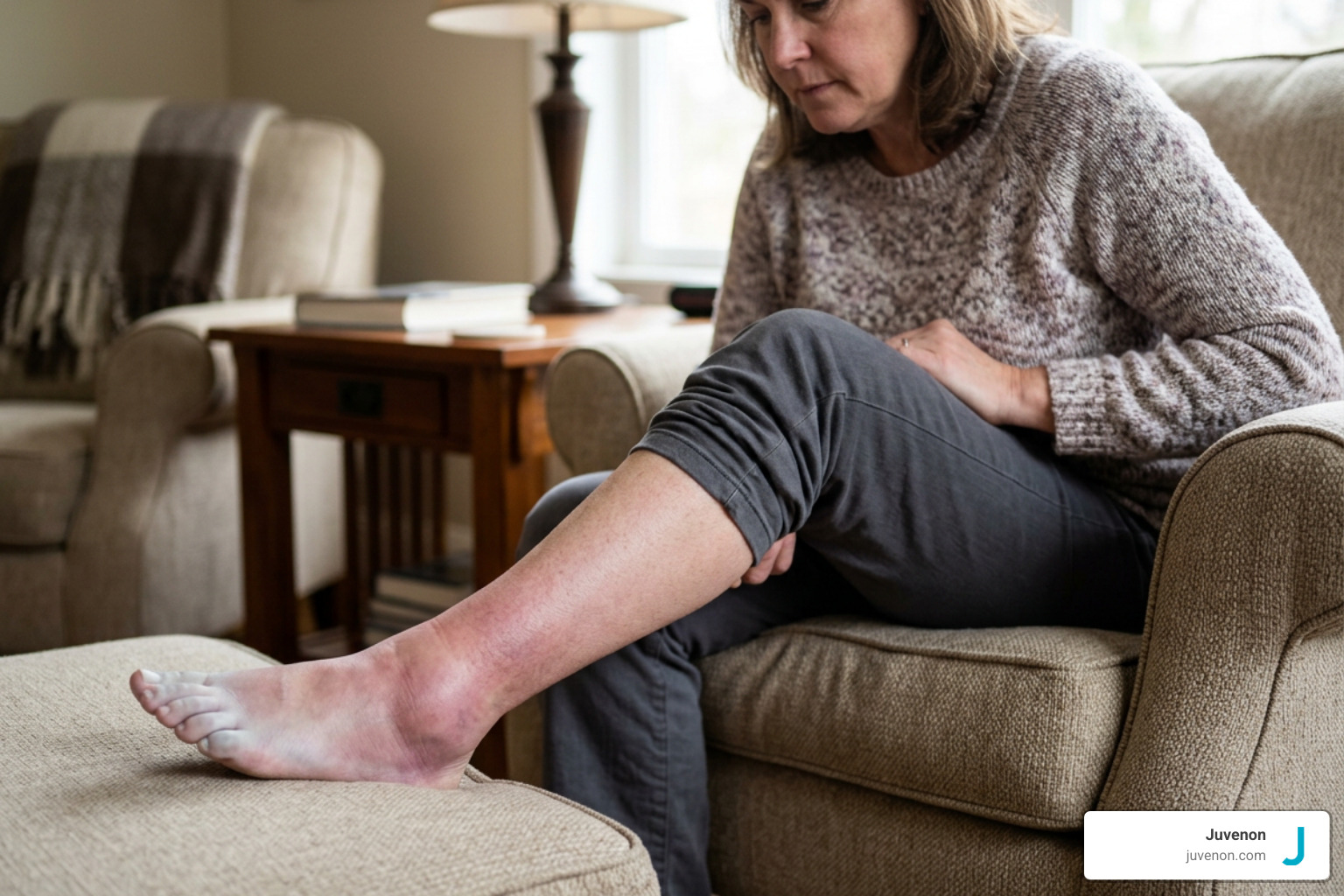
Poor circulation in ankles and feet primarily occurs when narrowed arteries restrict oxygen-rich blood flow or weakened vein valves allow blood to pool in the lower extremities. Common causes include peripheral artery disease (PAD), chronic venous insufficiency, diabetes, hypertension, and physical inactivity. Improving circulation involves daily walking, elevating the legs, graduated compression, targeted vascular nutrition, and medical care when necessary. According to the Cleveland Clinic's Overview of Vascular Circulation, reduced peripheral blood flow happens when vascular resistance, structural vessel damage, or impaired venous return obstruct circulation to the body's furthest extremities.
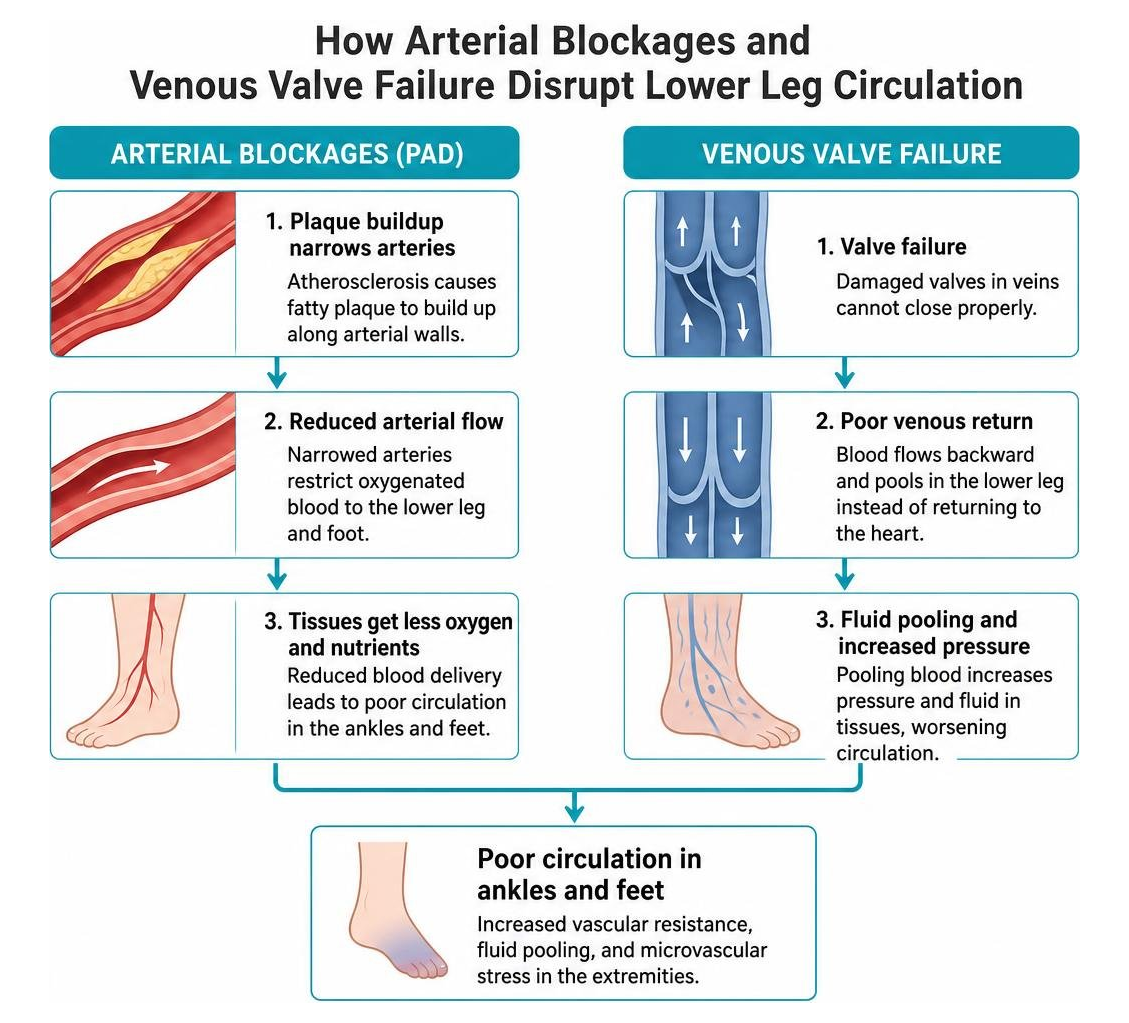
Primary Arterial and Venous Diseases
The two most prominent structural causes of poor circulation in the lower extremities involve the arterial and venous systems:
- Peripheral Artery Disease (PAD): PAD affects approximately 8 to 10 million Americans, with prevalence climbing sharply to 12–20% among adults over age 60. In PAD, systemic atherosclerosis causes fatty plaque buildup along arterial walls, narrowing the lumen and restricting arterial flow to the legs and feet. The American Heart Association notes that PAD affects over 12 million adults in the United States.
- Chronic Venous Insufficiency (CVI): While PAD restricts blood moving to the feet, CVI prevents blood from returning from the feet. When tiny one-way valves inside lower leg veins weaken or fail, blood pools in the ankles and calves under the force of gravity, leading to chronic swelling and pressure.
- Deep Vein Thrombosis (DVT): A blood clot forming within the deep veins of the leg can acutely block venous return, causing rapid swelling and pain, while carrying the serious risk of traveling to the lungs.
Systemic Health Conditions and Lifestyle Drivers
Beyond isolated structural vascular disease, metabolic and behavioral factors play a massive role in lower-extremity blood flow:
- Diabetes: Chronically elevated blood sugar damages delicate vascular endothelium and microcapillaries. Exploring how diabetes-induced vascular damage affects extremities highlights why diabetic individuals often experience both poor blood supply and peripheral neuropathy.
- Hypertension: Chronic high blood pressure hardens and weakens arterial walls over time, accelerating plaque accumulation.
- Raynaud’s Phenomenon: This condition causes temporary vasospasms in small blood vessels when exposed to cold temperatures or acute emotional stress, temporarily cutting off circulation to toes.
- Smoking and Nicotine: Smoking is one of the most significant modifiable risk factors for vascular decline. In fact, at least 15,000 heart and circulatory disease events occur annually as a result of smoking, which directly constricts blood vessels and damages arterial linings.
- Sedentary Lifestyle & Obesity: Prolonged inactivity weakens the calf-muscle pump, an essential mechanism for propelling venous blood upward.
- Pregnancy: In pregnancy, blood volume increases by 30 to 50%, putting additional pressure on pelvic and leg veins and making it harder for the body to pump fluids back up from the lower extremities.
Recognizing the Warning Signs and Symptoms
Because feet and ankles sit at the lowest point of the circulatory tree, they often serve as early indicators of vascular compromise. Recognizing these signs early allows for proactive lifestyle adjustments and timely medical care.
Physical Signs of Poor Circulation in Ankles and Feet
When blood flow drops, tissues experience mild hypoxia and fluid dynamics change. Key signs to monitor include:
- Persistent Coldness: Feet that feel cold to the touch even in warm indoor environments.
- Numbness and "Pins and Needles": A frequent tingling sensation or temporary loss of sensation in the toes and soles.
- Ankle Edema (Swelling): Fluid retention around the ankles and lower calves, often worsening toward the end of the day. Exploring natural remedies for swollen ankles can help ease daily heaviness.
- Intermittent Claudication: Painful cramping in the calves, thighs, or buttocks that consistently occurs during physical exertion (like walking) and resolves after a few minutes of rest.
- Skin and Nail Changes: Shiny, thin, or pale skin on the lower legs, accompanied by hair loss on the toes and brittle, slow-growing toenails. As outlined by Medical News Today on Foot Blood Flow, reduced perfusion noticeably alters dermatological health over time.
Emergency Red Flags vs Progressive Symptoms
While gradual swelling or mild coldness can be monitored and managed conservatively, certain symptoms demand urgent or emergency medical evaluation:
| Symptom Category | Mild / Progressive Signs | Urgent / Emergency Red Flags |
|---|---|---|
| Pain Level | Mild calf ache after walking 15+ minutes | Sudden, severe leg pain at rest or waking you at 2 a.m. |
| Color & Temperature | Mild paleness or cool toes | Sudden porcelain-white, mottled blue, or blackening skin |
| Skin Integrity | Dry skin, slow hair growth on toes | Open, non-healing ulcer present for >2 weeks; signs of infection |
| Pulse & Sensation | Slight tingling after sitting | Complete loss of feeling, motor weakness, or absent pedal pulse |
Seek immediate emergency medical attention if you notice sudden numbness, acute coldness, or a loss of pulse in your foot, as these may signal acute limb ischemia.
Diagnostic Methods for Lower Extremity Blood Flow
Accurate diagnosis is critical because arterial problems and venous problems require entirely different clinical approaches.
Clinical Exams and Vascular Assessments
A thorough vascular workup begins in a doctor's office or podiatry clinic:
- Physical Examination: The practitioner palpates the dorsalis pedis and posterior tibial pulses, evaluates capillary refill time (pressing a toe and checking how quickly color returns), and examines skin integrity. You can also learn home circulation checks to keep track of basic changes between clinical visits.
-
Ankle-Brachial Index (ABI): A primary non-invasive screening tool that compares the blood pressure measured at your ankle with the blood pressure measured in your arm:
- Normal: 0.90 to 1.40
- Mild-to-Moderate PAD: 0.50 to 0.89
- Severe Ischemia: Less than 0.50
- Duplex Ultrasound: Uses sound waves to visualize blood velocity, detect blood clots, and evaluate whether vein valves are leaking.
- CT Angiography or MR Angiography: Advanced cross-sectional imaging that provides high-resolution 3D roadmaps of arterial narrowing and calcified plaques.
Differentiating Arterial from Venous Disorders
Understanding the differences between arterial and venous issues helps avoid counterproductive habits:
- Elevation Response: Elevating legs above heart level relieves the heavy ache of venous insufficiency by encouraging fluid drainage. Conversely, elevating legs with severe arterial disease often worsens pain because gravity is no longer assisting blood down into the foot.
- Temperature & Appearance: Arterial deficiency causes cool, pale, or cyanotic (bluish) skin. Venous disease often causes warm, swollen skin with reddish-brown hyperpigmentation (hemosiderin staining) around the ankles.
Comprehensive Solutions to Support Healthy Circulation
Managing circulation in the lower extremities involves a combination of targeted daily habits, proper nutrition, and medical treatments when necessary.
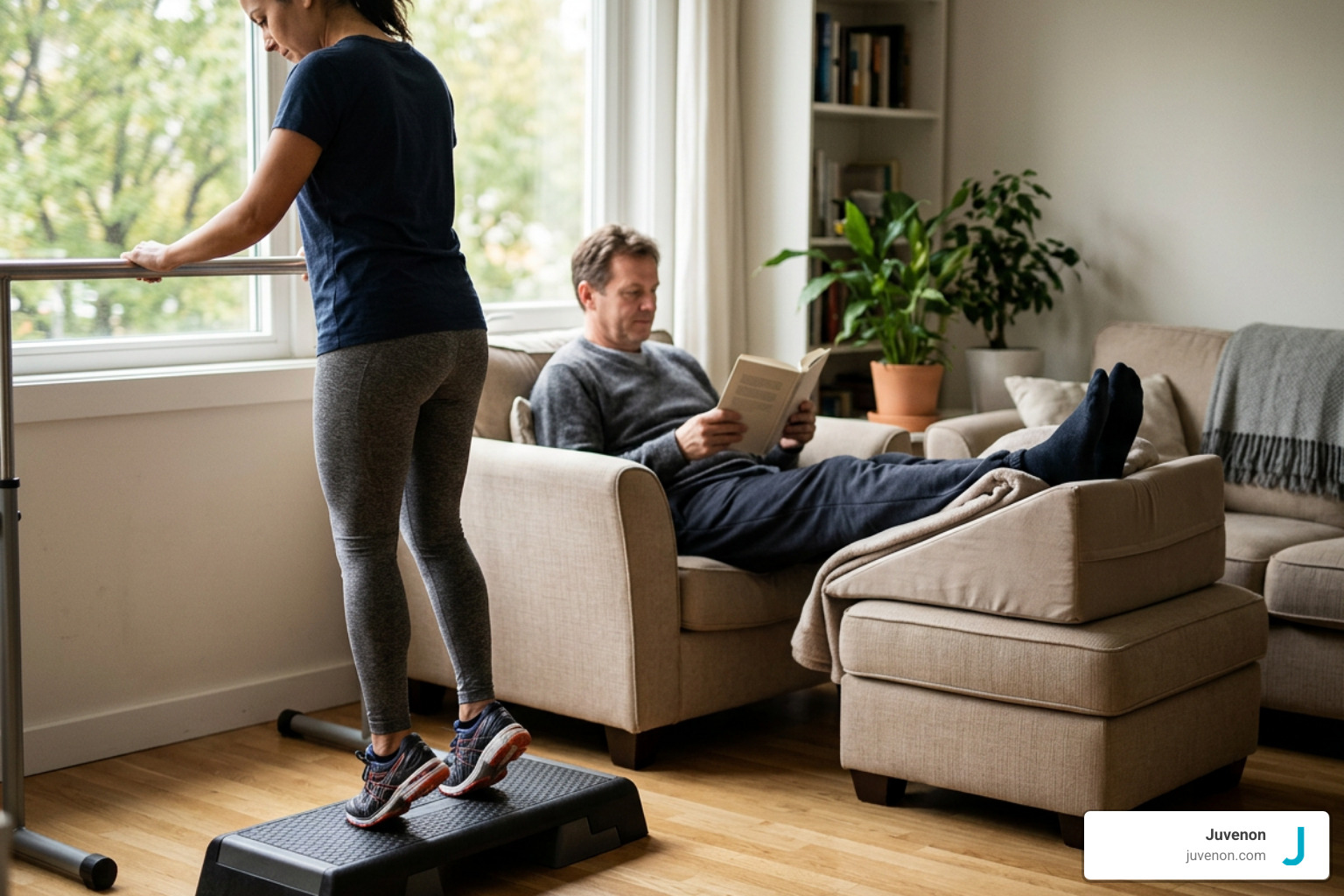
At-Home Remedies for Poor Circulation in Ankles and Feet
Simple, consistent movement habits can deliver substantial improvements in daily blood flow:
- Activate the Calf-Muscle Pump: Your calf muscles serve as a "secondary heart." When you contract your calves through walking or seated ankle pumps, you physically compress deep veins, propelling stagnant blood upward.
- Structured Walking: Walking for 20 to 30 minutes daily encourages collateral blood vessel formation—tiny natural bypass channels that form around narrowed arterial segments.
- Leg Elevation for Venous Support: If your circulation issues stem from venous pooling or swelling, elevate your feet on pillows above the level of your heart for 15–20 minutes twice daily.
- Graduated Compression Socks: Compression garments apply gentle, graduated pressure (tighter at the ankle, looser toward the knee) to prevent fluid accumulation. (Note: Always check with a physician before using compression socks if you have arterial disease, as tight compression can further restrict compromised arterial blood flow).
- Hydration and Warm Footwear: Drink adequate water daily to maintain optimal blood volume, and wear warm thermal socks during colder months to minimize cold-induced vasospasms.
Targeted Nutritional and Lifestyle Interventions
Fueling vascular integrity from the inside out supports endothelial flexibility and vessel tone:
- Nitric Oxide Support: Nitric oxide is the body's primary signaling molecule responsible for vasodilation (the widening of blood vessels). Diets rich in dietary nitrates—such as beets, spinach, arugula, and citrus fruits—help promote vascular dilation.
- Vascular Micronutrients: Ensuring your diet includes essential vascular vitamins like Vitamin C, Vitamin E, and B-complex vitamins helps protect vascular linings from oxidative stress and supports cellular energy production.
- Omega-3 Fatty Acids: Sourced from cold-water fish or algae, omega-3s assist in reducing systemic inflammation and supporting healthy blood viscosity.
- Smoking Cessation: Quitting smoking is the single most impactful lifestyle change you can make. Blood pressure and heart rate begin stabilizing within hours of stopping, and vascular resistance drops dramatically over the following months.
Medical Management and Surgical Options
When conservative and dietary approaches need reinforcement, physicians have several clinical tools available:
- Medications: Doctors often prescribe antiplatelet agents (such as aspirin or clopidogrel) to prevent blood clots, statins to stabilize arterial plaques and lower cholesterol, or specialized vasodilators to extend walking distances in PAD.
-
Minimally Invasive Endovascular Procedures:
- Angioplasty & Stenting: A tiny catheter with an expandable balloon is threaded into a narrowed leg artery to widen the passage, followed by the placement of a wire mesh stent to keep it open.
- Endovenous Ablation: For chronic venous insufficiency, specialists use radiofrequency heat or medical adhesives to close off damaged, leaking veins, redirecting flow into healthy vessels.
- Surgical Bypass: In advanced arterial blockages, vascular surgeons can construct a bypass graft using a healthy vein or synthetic tube to route blood flow around the blocked segment.
Frequently Asked Questions About Foot and Ankle Circulation
Can poor circulation in the feet and ankles be reversed?
While underlying structural conditions like established atherosclerosis or damaged vein valves cannot be completely wiped away, the symptoms, functional limitations, and progression of poor circulation can be substantially managed and improved. Through structured daily walking, targeted nutritional support, blood pressure control, and smoking cessation, the body can develop collateral pathways that significantly restore tissue perfusion.
When should you see a doctor for poor foot circulation?
You should schedule a medical evaluation if you experience persistent coldness, daily ankle swelling, tingling, cramping in the calves while walking, or if you notice skin color changes on your lower legs. If you discover a non-healing cut, sore, or ulcer on your foot that does not improve after 7 to 14 days, seek prompt evaluation from a podiatrist or vascular specialist.
What is the best sleeping position to improve circulation in the legs?
For people experiencing venous swelling, sleeping on your back with a pillow tucked under your lower legs (elevating them slightly above heart level) encourages venous drainage overnight. For those with significant arterial disease (PAD) who wake up with burning rest pain, keeping the legs flat or slightly lower than the torso can help gravity deliver arterial blood to the toes. Sleeping on your left side is also beneficial for general venous return, as it prevents pressure on the inferior vena cava.
Conclusion
Healthy blood flow is the foundation of lower-body mobility, comfort, and vitality. Because your feet and ankles operate at the outermost edges of your circulatory system, paying attention to early signs like coldness, swelling, and cramping allows you to take proactive control before minor issues progress into severe vascular complications.
By integrating daily movement, keeping your legs active, optimizing essential nutrient intake, and partnering with your healthcare team for timely screenings, you can preserve strong circulation for years to come. To explore more actionable ways to support your cardiovascular system, discover these effective ways to boost blood flow and keep your steps energized and pain-free.