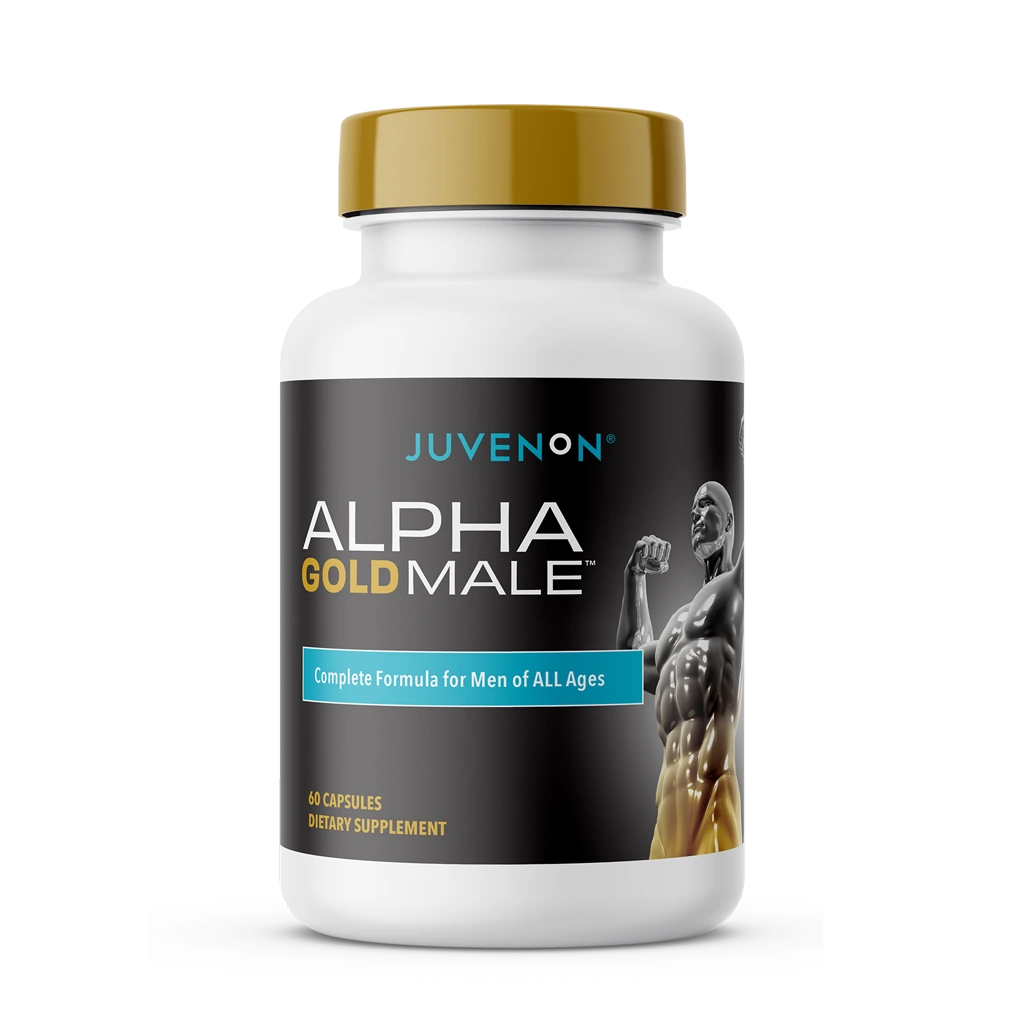
Sexual wellness is part of overall well-being—and healthy blood flow plays an important role. Nitric oxide, a molecule your body naturally produces,helps smooth muscle relax and supports the blood flow involved in normal erectile function. Understanding that role is a useful starting point for exploring men’s sexual health. In this article, we’ll look at the science of nitric oxide, everyday habits that support vascular health, and what to consider before adding a nitric oxide-support supplement to your routine.

What May Cause Erectile Dysfunction?
Several factors can contribute, including:
- Aging: As men age, their bodies undergo natural changes that can affect sexual function, and this explains why ED is more common in older men [3]. One such change is a decline in nitric oxide production. Nitric oxide relaxes blood vessels, allowing blood to flow freely to the penis. With reduced nitric oxide levels, it becomes more difficult to achieve and maintain an erection.
- Diabetes: Diabetes can significantly affect sexual health, with up to 70% of male diabetics experiencing this condition. Men with diabetes often see a decline in sexual health 10-15 years earlier than those without diabetes. Studies have shown that the expression of arginase II, an enzyme that breaks down L-arginine, is elevated in the erectile tissue of people with diabetes with ED[4]. These elevated arginase II levels can interfere with the production of nitric oxide, which is crucial for achieving and maintaining an erection. L-arginine is a precursor to NO, and its availability is essential for the NO synthesis pathway.
- Obesity: Excess weight can lead to high blood pressure, which can damage blood vessels throughout the body, including those in the penis. This damage can make it difficult for blood to flow freely to the penis, which is essential for achieving an erection[5]. Obesity can also lower testosterone levels, which is crucial for sexual desire and function. Lower testosterone levels can also affect sexual health. Obesity can also have psychological effects, such as low self-esteem and body image issues, which can contribute to a decline in sexual wellness.
- Cardiovascular Conditions: Certain medical conditions can contribute to the decline of nitric oxide. Cardiovascular disease and high blood pressure are among the most prevalent. These conditions can damage blood vessels and nerves, interfering with the erectile process.
- Lifestyle Factors: Unhealthy lifestyle choices can also contribute to a decline in nitric oxide. Smoking, excessive alcohol consumption, and drug abuse can impair blood flow and damage arteries and blood vessels.
- Psychological Factors: Stress, anxiety, and depression can negatively impact sexual desire and function. These psychological factors can interfere with the physiological processes involved in achieving an erection.
The connection between nitric oxide and ED is well-documented. Studies have shown that men with ED often have lower levels of nitric oxide in their bodies[6].
Understanding Nitric Oxide's Role In Erectile Function
Nitric oxide supports erectile function in several ways:
- Increased blood flow: Increased nitric oxide levels can help increase blood flow to the penis, which is essential for achieving an erection.
- Improved endothelial function: Endothelial cells line the blood vessels. Nitric oxide helps improve the function of these cells, which can lead to better blood flow.
- Reduced inflammation: Nitric oxide has anti-inflammatory properties, which can help reduce inflammation in the blood vessels and improve erectile function.
Benefits of Nitric Oxide Boosters
Beyond their potential to support sexual health, nitric oxide boosters offer several additional health benefits:
- Improved Cardiovascular Health: Nitric oxide supports healthy blood pressure and enhanced blood flow. [10].
- Increased Muscle Mass: Nitric oxide can help increase blood flow to the muscles, which can improve muscle growth and strength.
- Enhanced Athletic Performance: Increased blood flow can improve oxygen delivery to muscles, potentially enhancing athletic performance and endurance.
- Improved Cognitive Function: Some studies suggest nitric oxide may play a role in cognitive function, including memory and focus[11].
- Reduced Inflammation: Nitric oxide has anti-inflammatory properties, which can help reduce inflammation throughout the body, potentially benefiting overall health.
Maintaining Vascular Health for Erectile Function
Nitric oxide’s role in vascular health goes beyond the bedroom. A key element in maintaining sexual health is the health of the entire circulatory system. Nitric oxide facilitates the dilation of blood vessels, ensuring proper blood flow throughout the body. When blood flow is compromised — whether due to aging, poor diet, or other health conditions—it affects not only the heart and brain but can dramatically affect sexual wellness.[12].
Lifestyle and Dietary Adjustments for Boosting Nitric Oxide Levels
While supplements can offer significant benefits, incorporating lifestyle changes that naturally boost nitric oxide production will help men achieve long-term results. In addition to supplements, there are science-backed strategies to optimize nitric oxide levels:
Dietary Nitrates: Leafy greens like spinach, kale, and arugula, as well as beets, are rich in dietary nitrates, which the body converts into nitric oxide[13]. Incorporating these foods into a balanced diet is a simple way to naturally increase nitric oxide production. Beets, in particular, have gained popularity for their ability to boost nitric oxide levels and enhance athletic performance. Drinking beetroot juice daily can offer cardiovascular benefits that extend to sexual health.
Antioxidant-Rich Foods: Antioxidants protect nitric oxide from oxidative stress[14]. Vitamin C and polyphenols — found in citrus fruits, berries, and green tea — help maintain healthy nitric oxide levels by preventing its breakdown. A balanced diet rich in fruits and vegetables not only boosts nitric oxide levels but also supports overall cardiovascular health, which is closely linked to sexual performance.
Exercise and Physical Activity: Regular physical activity improves nitric oxide production. Cardiovascular exercises, such as jogging, cycling, and swimming, are particularly effective in enhancing blood flow by promoting nitric oxide release. Studies have shown that even moderate aerobic exercise can improve endothelial function, leading to better blood flow throughout the body — including to the penis[15].
Reduce Smoking and Alcohol Consumption: Smoking is a known inhibitor of nitric oxide production. It damages blood vessels, reduces blood flow, and is a major risk factor for erectile dysfunction. Quitting smoking can have an immediate impact on improving vascular health. Similarly, excessive alcohol consumption can impair blood flow. Reducing or eliminating alcohol can help preserve nitric oxide levels and improve sexual health.
The Mind-Body Connection: Psychological Factors and Nitric Oxide
While physical factors such as reduced nitric oxide production are often at the root of men's sexual health, psychological factors can also play a significant role. Stress, anxiety, and depression can reduce sexual desire and performance. Interestingly, stress can also impair nitric oxide production, as high levels of cortisol (the stress hormone) may interfere with the body’s ability to produce this vital molecule. This underscores the importance of managing mental health for both sexual and overall well-being.
Practicing relaxation techniques such as meditation, mindfulness, or yoga can reduce stress levels and, in turn, improve nitric oxide production. Combining these mental health strategies with nitric oxide supplementation and lifestyle changes can create a holistic approach to enhancing sexual wellness.
Side Effects of Nitric Oxide Supplementation
While nitric oxide supplements are generally considered safe when used as directed, they can cause some side effects[17]. These side effects are typically mild and may include:
- Headaches: Headaches are a common side effect of nitric oxide supplements.
- Flushing: Some individuals may experience flushing of the face or neck.
- Low Blood Pressure: Nitric oxide can lower blood pressure, which may be problematic for those with certain medical conditions.
- Stomach Upset: Some people may experience digestive issues such as stomach upset or diarrhea.
It's essential to follow the recommended dosage guidelines for nitric oxide supplements. Overdosing can increase the risk of side effects. Any adverse effects should immediately be discussed with a healthcare professional.
Remember, nitric oxide supplements are not a cure for ED.
FAQs About Nitric Oxide and Sexual Wellness
Which supplement is best for sexual health?
There is no one-size-fits-all answer to this question, as there is no conclusive evidence that any supplement can help improve sexual function. Some research suggests that specific vitamins and herbal remedies, including vitamin D, red ginseng, L-arginine, L-carnitine, and Tribulus terrestris, support men's sexual health. It's important to consult your doctor before trying any of these supplements to discuss potential interactions with medications you're already taking and determine if they're right for you.
Which exercises increase blood flow to the penis?
Regular exercise can help improve blood flow to the penis. Some good exercises include:
- Kegel exercises: These exercises target the pelvic floor muscles, which play a crucial role in maintaining an erection. Strengthening these muscles can improve blood flow to the penis and lead to firmer erections.
- Aerobic exercises: Regular aerobic exercise, such as brisk walking, running, swimming, or cycling, can improve cardiovascular health. This translates to better blood flow throughout the body, including the penis.
What drinks increase nitric oxide?
Here are some drinks that may increase nitric oxide levels:
- Beetroot juice is a rich source of dietary nitrates, which the body converts into nitric oxide.
- Pomegranate juice contains antioxidants and polyphenols that may help improve nitric oxide bioavailability.
- Green tea contains nitrates and antioxidants that may contribute to nitric oxide production.
References:
[3]https://pmc.ncbi.nlm.nih.gov/articles/PMC3976909/
[4]https://pmc.ncbi.nlm.nih.gov/articles/PMC3117078/
[6]https://www.ncbi.nlm.nih.gov/pmc/articles/PMC8109295/
[13]https://pmc.ncbi.nlm.nih.gov/articles/PMC3575935/
[18]https://pmc.ncbi.nlm.nih.gov/articles/PMC8031495/
[19]https://www.ncbi.nlm.nih.gov/books/NBK548192/