Why NAD+ May Be the Most Important Molecule You've Never Heard Of

What does nad do for your body? Here's the short answer:
| NAD+ Function | What It Means for You |
|---|---|
| Energy production | Powers every cell by helping convert food into usable fuel (ATP) |
| DNA repair | Activates enzymes that fix damaged DNA before it accumulates |
| Metabolism support | Regulates how your body processes fats, sugars, and proteins |
| Inflammation control | Helps keep chronic inflammation in check at the cellular level |
| Healthy aging | Supports cellular longevity pathways through sirtuins and PARPs |
| Brain and heart health | Maintains mitochondrial function in your most energy-hungry organs |
NAD — short for nicotinamide adenine dinucleotide — is a tiny molecule found in every single cell in your body. Without it, your cells cannot make energy, repair damage, or stay healthy. It is that fundamental.
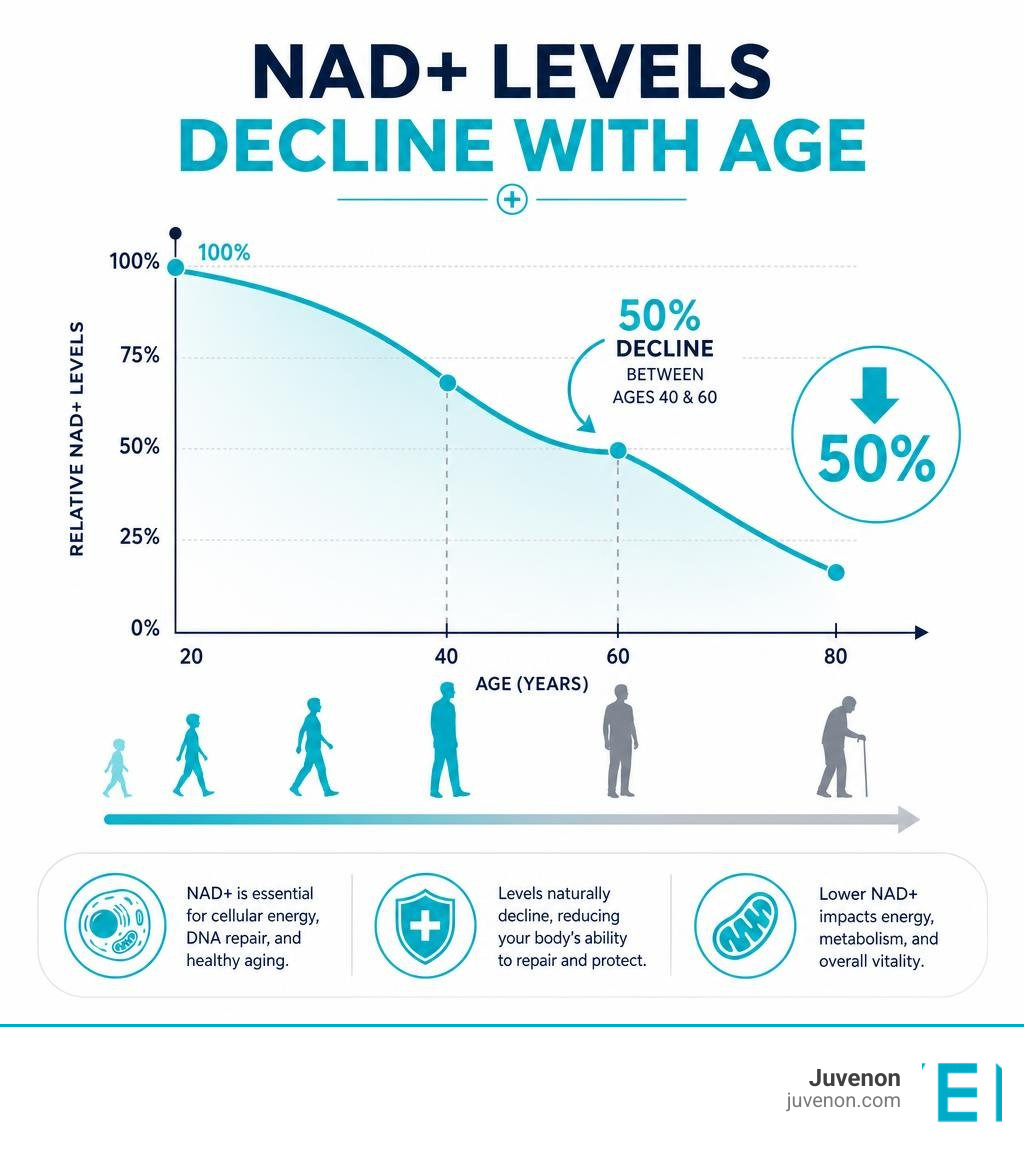
Here is the problem: NAD+ levels drop by roughly 50% between ages 40 and 60. That decline tracks closely with the fatigue, slower recovery, and metabolic changes many people start noticing in midlife — and it is not a coincidence.
Scientists now link falling NAD+ to nearly every major hallmark of aging, from mitochondrial decline to genomic instability. As one review published in Perspectives in Medicine put it, NAD+ is involved in "cellular metabolism, energy production, DNA repair, mitophagy, autophagy, inflammation, and neuronal function" — and its decline "affects all hallmarks of aging."
This guide breaks down exactly what NAD+ does inside your body, why levels fall, and what the science actually says about restoring them.
I'm Michelle M. Henson, Head of Copywriting and Legal Compliance Editor at Juvenon, and my work researching and writing about what does NAD do for your body — drawing on decades of experience in health science communication — gives me a clear-eyed view of what the evidence supports and what it doesn't. Let's dig into what you actually need to know.
What is NAD+ and Why is it Essential?
To understand what NAD+ does, we have to look closely at its chemical structure and primary biological job. Nicotinamide adenine dinucleotide is a coenzyme—a helper molecule that binds to enzymes to kickstart critical chemical reactions. It is found in every living cell, from simple bacteria to the complex neurons in your brain.
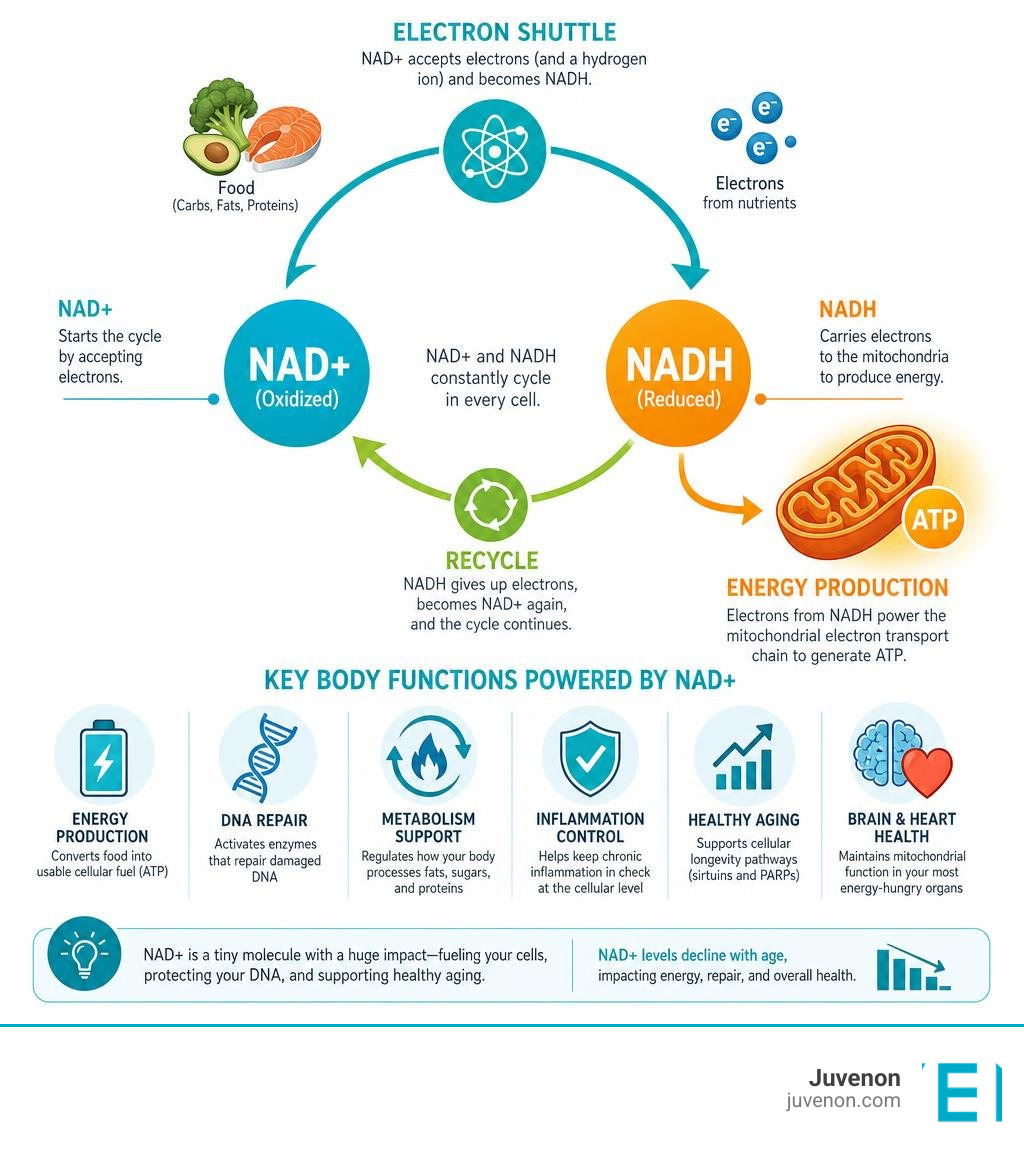
At its core, NAD+ exists in two distinct states that cycle continuously:
- NAD+ (Oxidized form): This state is ready to accept electrons from the foods you eat.
- NADH (Reduced form): This state has successfully captured those electrons and is ready to deliver them where they are needed.
This continuous exchange of electrons is known as a redox (reduction-oxidation) reaction. Think of NAD+ as an empty cellular delivery truck. It drives up to the carbohydrates, fats, and proteins you digest, loads up on high-energy electrons (becoming NADH), and drives them directly to your mitochondria—the powerhouses of your cells. Once it unloads those electrons, it reverts to NAD+ and repeats the journey.
Without this basic electron shuttle system, your cells would instantly starve of energy. According to the Cleveland Clinic's detailed guide on What Is NAD+ & Why Is It Important?, this coenzyme acts as a metabolic gauge. The ratio of free NAD+ to NADH in your cytoplasm is incredibly high (often around 700:1 in healthy tissues), signaling to your cells that energy production is running smoothly and efficiently.
Understanding What Does NAD Do for Your Body at a Cellular Level
Let us zoom in even further. How exactly does this delivery truck turn lunch into physical energy?
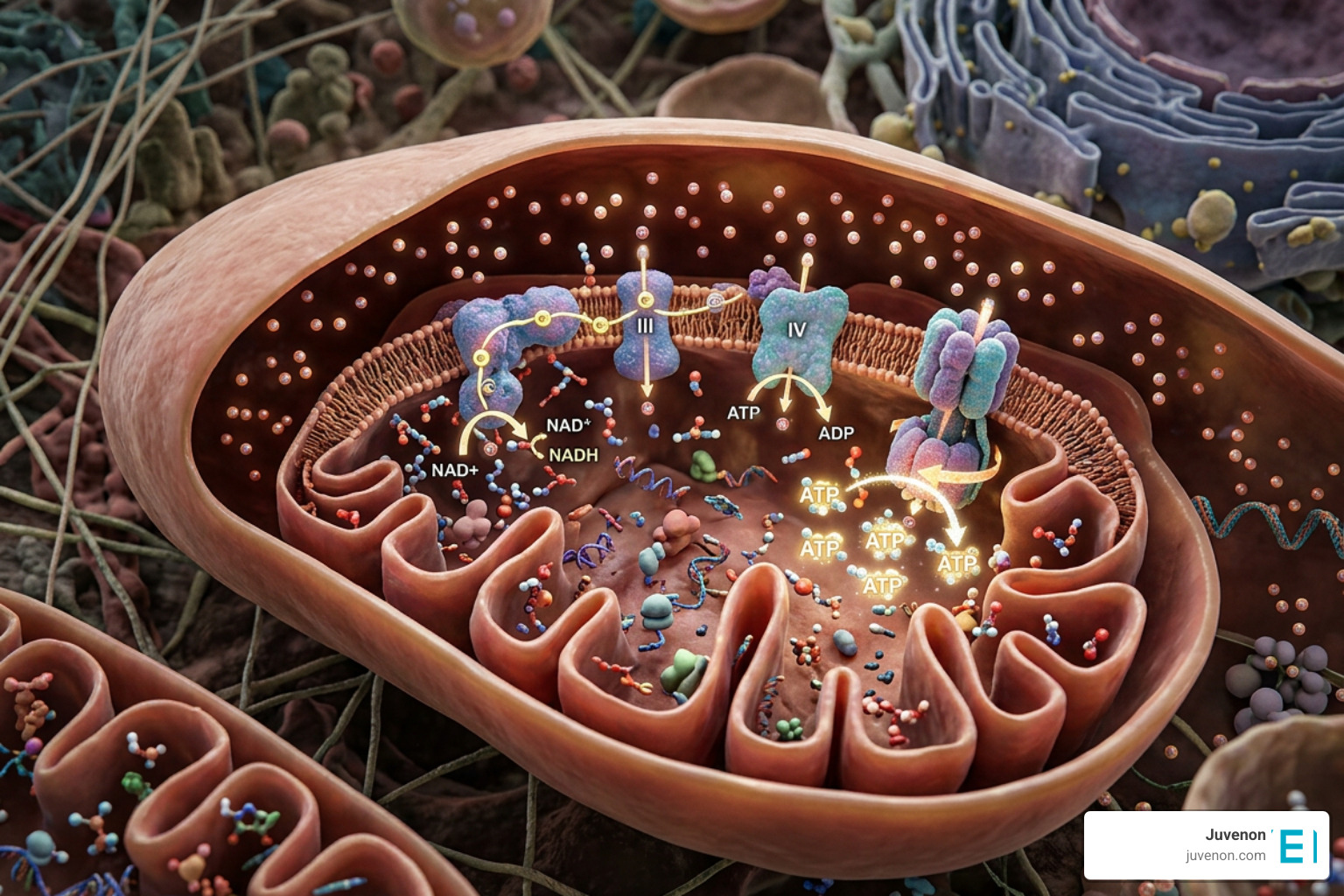
The process happens in three main stages inside your cells:
- Glycolysis: The breakdown of glucose in the cell's cytoplasm, where NAD+ grabs its first round of electrons.
- The Krebs Cycle (Citric Acid Cycle): Occurring inside the mitochondria, this cycle strips more electrons from nutrients, converting multiple NAD+ molecules into NADH.
- The Electron Transport Chain (ETC): This is the grand finale. NADH drops its electrons off at the mitochondrial membrane. This action drives a biological engine that generates adenosine triphosphate (ATP)—the actual chemical fuel currency your body uses to flex muscles, blink eyes, and think thoughts.
This constant cycling means a single molecule of NAD+ is oxidized and reduced thousands of times every single day. If your cellular pool of NAD+ is depleted, these metabolic pathways slow to a crawl. This is why keeping your mitochondria healthy is so vital, and it is a major reason Why Everyone's Talking About NAD and Its Health Benefits as we search for ways to maintain youthful, all-day energy.

What Does NAD Do for Your Body?
While energy production is a massive job, what makes NAD+ truly remarkable is what it does outside of energy metabolism. In recent years, researchers have discovered that NAD+ is not just recycled; it is also consumed.
When your cells are under stress, they recruit specialized enzymes that use up NAD+ as a raw material. These enzymes act as cellular first responders, and they fall into three main families:
- Sirtuins (SIRT1–SIRT7): Often called the "longevity genes," sirtuins are enzymes that regulate cellular health, turn off inflammatory pathways, and manage how your body responds to fasting and exercise. They cannot function without NAD+.
- PARPs (Poly ADP-Ribose Polymerases): These are your primary DNA repair enzymes. When your DNA is damaged by UV light, toxins, or normal metabolic wear-and-tear, PARPs rush to the scene. They consume massive amounts of NAD+ to repair the broken genetic strands.
- CD38 & SARM1: These enzymes regulate calcium signaling and immune cell activation. CD38, in particular, is a major consumer of NAD+ and plays a key role in how our bodies manage inflammation.
By acting as a rate-limiting substrate for these enzymes, NAD+ directly controls how well your body fights off oxidative stress and repairs cellular damage. The peer-reviewed paper Roles of NAD+ in Health and Aging highlights that an imbalance between NAD+ production and its consumption by these enzymes is a primary driver of tissue decay. Understanding these pathways helps us appreciate The Body's Benefits from NAD Supplementation as a practical tool for cellular upkeep.
What Does NAD Do for Your Body to Support Healthy Aging?
As we age, our cells face a continuous accumulation of genetic damage. Under normal conditions, repair enzymes keep this damage in check. However, because PARPs and sirtuins require constant supplies of NAD+, a drop in NAD+ levels leaves these repair mechanisms underfunded.
When DNA repair stalls, cells can enter a state called cellular senescence. Often nicknamed "zombie cells," senescent cells stop dividing but refuse to die. Instead, they linger in tissues and secrete a toxic mix of inflammatory signals known as the Senescence-Associated Secretory Phenotype (SASP). This process damages surrounding healthy cells and accelerates the physical signs of aging.
By restoring NAD+ levels, we can help our cells maintain genomic stability, keep sirtuins active, and prevent cells from prematurely turning into senescent "zombies." Research published in The Role of NAD+ in Regenerative Medicine - PMC suggests that optimizing NAD+ availability before cellular stress occurs can prime our tissues for better healing and regeneration. To learn more about this process, read our deep dive on What NAD Does to Slow Down the Body's Aging Process.
Cardiovascular and Metabolic Benefits of Raising NAD+
Your heart is an incredibly energy-demanding organ. It never takes a break, which means its cells rely heavily on a constant supply of ATP. It is no surprise, then, that cardiac health is deeply tied to NAD+ metabolism.
According to a review in NAD+ Metabolism in Cardiac Health, Aging, and Disease | Circulation, the heart lacks the enzymes needed to create NAD+ from scratch using tryptophan. Instead, it relies almost entirely (99.3%) on recycling pathways to maintain its NAD+ stores. When these recycling pathways decline, cardiac tissues suffer:
- Vascular Elasticity: Clinical studies show that raising NAD+ levels can help reduce aortic stiffness and lower systolic blood pressure in middle-aged and older adults.
- Insulin Sensitivity: In clinical trials involving postmenopausal women with prediabetes, NAD+ precursor supplementation significantly improved insulin sensitivity in skeletal muscle, helping the body process glucose more efficiently.
- Mitochondrial Efficiency: Restoring NAD+ in older animal models reversed hallmark signs of metabolic syndrome, improved muscle endurance, and reduced vascular oxidative stress.
These findings suggest that supporting your cellular NAD+ pools does not just give you a superficial energy boost—it fundamentally supports your cardiovascular system and metabolic health. For a practical look at how this translates to daily life, explore how to Boost Your Health: Exploring the Benefits of NAD Supplements.
Why NAD+ Levels Decline with Age and Lifestyle
If NAD+ is so essential, why does our body let it slip away? The answer is a classic supply-and-demand problem. As we age, our cells produce less NAD+, while simultaneously wasting far more of it.
This decline is driven by several key factors:
- CD38 Overexpression: As we get older, our bodies experience a state of low-grade, chronic inflammation often called "inflammaging." This chronic inflammation causes immune cells to overproduce the enzyme CD38. Because CD38 is an aggressive consumer of NAD+, its overactivity rapidly depletes circulating NAD+ pools.
- NAMPT Downregulation: The enzyme NAMPT is the bottleneck of the NAD+ recycling pathway. With age, NAMPT levels naturally drop, making it much harder for your cells to recycle used NAD back into its active form.
- Accumulated DNA Damage: Environmental toxins, radiation, and normal metabolic waste cause continuous DNA damage over the decades. This damage keeps PARP enzymes permanently switched "on," draining cellular NAD+ reserves.
The scientific consensus in Nicotinamide Adenine Dinucleotide in Aging Biology: Potential Applications and Many Unknowns - PMC highlights that this double-whammy—reduced recycling capacity combined with hyper-active consumption—is what drives the dramatic 50% drop in midlife.
The Impact of Obesity and Chronic Disease on NAD+
This decline is not just a function of the calendar; it is also heavily influenced by metabolic health. Obesity, poor diet, and chronic physical stress accelerate the loss of NAD+.
When we carry excess visceral fat, our adipose tissues release inflammatory cytokines that trigger systemic oxidative stress. This stress further downregulates the NAMPT enzyme, crippling the salvage pathway exactly when the body needs it most. The resulting lack of NAD+ impairs mitochondrial fat burning, creating a frustrating cycle where metabolic dysfunction makes weight management even more difficult.
Fortunately, breaking this cycle is possible. Supporting your cellular energy pathways can help restore metabolic flexibility, which we discuss in detail in The NAD Effect: How It Can Transform Your Weight Loss Journey.
How to Increase Your NAD+ Levels
To keep your cellular engines running smoothly, you can support your NAD+ levels through a combination of lifestyle choices and targeted supplementation.
| Method | How It Works | Practical Steps |
|---|---|---|
| Dietary Precursors | Provides raw building blocks (Vitamin B3 & Tryptophan) | Eat grass-fed meats, wild-caught fish, eggs, legumes, and nuts |
| Heavy Weightlifting | Triggers muscle-specific NAMPT expression to boost recycling | Incorporate resistance training 2–3 times per week |
| Consistent Sleep | Aligns NAD+ production with your natural circadian rhythms | Maintain a regular sleep schedule and limit blue light at night |
| Precursor Supplements | Delivers highly bioavailable molecules directly to cells | Supplement with high-quality NR or NMN compounds |
Our bodies naturally synthesize NAD+ using two primary pathways: the de novo pathway (building it from the amino acid tryptophan) and the salvage pathway (recycling nicotinamide or nicotinic acid).
To support these pathways naturally, focus on foods rich in Vitamin B3 (niacin) and tryptophan, such as turkey, chicken, salmon, oats, and peanuts. Beyond diet, physical lifestyle changes are incredibly powerful. Lifting heavy weights and engaging in high-intensity exercise forces muscles to adapt by producing more NAMPT, naturally boosting your body's internal recycling system.
For those looking to supplement, understanding the different options is key. To find the right approach for your lifestyle, read our guide on NAD Supplementation: How to Get It Right.
Evaluating NAD+ Precursors: NR vs. NMN
When looking at What Is an NAD Supplement? Uses, Benefits, and More, you will primarily run into two highly researched precursors: Nicotinamide Riboside (NR) and Nicotinamide Mononucleotide (NMN).
Both of these molecules are specialized forms of Vitamin B3 that bypass the restrictive bottlenecks of standard niacin. Here is how they compare:
- Nicotinamide Riboside (NR): NR is highly stable, widely studied in human clinical trials, and readily enters cells where it is converted into NMN, and finally into NAD+.
- Nicotinamide Mononucleotide (NMN): NMN is one step closer to the final NAD+ molecule. While once thought to be too large to enter cells directly, researchers have identified specific transporters that help NMN enter certain tissues efficiently.
Both precursors have been shown to safely and effectively raise NAD+ levels in human blood and tissues. The choice often comes down to personal preference, absorption, and formula quality. To look closer at the underlying data, check out our analysis on The Science Behind NAD Supplements: Do They Really Work?.
Limitations, Risks, and Safety of NAD+ Supplementation
While the benefits of maintaining healthy NAD+ levels are clear, responsible supplementation requires a balanced look at safety and potential side effects.
Generally, NAD+ precursors like NR and NMN are very well-tolerated. However, some individuals may experience mild, temporary side effects, including:
- Mild muscle aches
- Temporary headaches
- Slight nausea or digestive discomfort
- Skin flushing (primarily associated with high doses of standard niacin)
A key biochemical consideration when supplementing with NAD+ is methylation depletion. When your body processes and excretes excess nicotinamide (a byproduct of NAD+ use), it requires methyl groups. If you take very high doses of NAD+ precursors without supporting your body's methylation pathways, you can temporarily deplete your methyl pool. Many wellness experts recommend pairing NAD+ supplements with a methyl donor, such as Trimethylglycine (TMG), to keep these pathways balanced.
For a comprehensive look at safety protocols, dosage ranges, and what to watch out for, read our guides on NAD Side Effects: Key Benefits & What to Watch Out For and Navigating NAD: Understanding the Safety of Supplements.
Frequently Asked Questions About NAD+
Can you raise NAD+ levels naturally without supplements?
Yes. You can support your body's natural NAD+ production through consistent lifestyle habits. Engaging in regular physical exercise (especially resistance training and high-intensity interval training), maintaining a consistent sleep schedule, and eating a diet rich in tryptophan and Vitamin B3 all help stimulate your body's natural NAD+ recycling pathways.
What are the most common side effects of NAD+ supplements?
For most people, NAD+ precursors are highly tolerable. When side effects do occur, they are typically mild and include temporary headaches, mild digestive upset, or slight muscle fatigue. These effects often resolve on their own as your body adjusts to the supplement.
Who should consider taking NAD+ supplements?
Because NAD+ levels naturally begin to slide in our 30s and drop significantly by our 40s and 50s, adults over the age of 40 generally stand to benefit the most. Those looking to support metabolic health, cardiovascular function, and cellular energy recovery are also excellent candidates.
Conclusion
At the end of the day, understanding what does nad do for your body helps us make smarter, more proactive choices for our long-term healthspan. From driving the mitochondrial engines that power our daily lives to fueling the sirtuins and DNA repair enzymes that protect our genetic code, NAD+ is a true cornerstone of cellular vitality.
While we cannot stop the passage of time, we do not have to accept the energy decline that often comes with it. By combining a healthy lifestyle—rich in movement, quality sleep, and nutrient-dense foods—with scientifically backed cellular support, we can keep our cells running like they did years ago.
At Juvenon, we specialize in premium, patented formulas designed to support healthy aging and cellular longevity. If you are ready to target cellular fatigue at its source and restore your natural vitality, explore our advanced Peak NAD+ formula. Backed by our rigorous quality standards and a 60-day money-back guarantee, it is designed to help you feel energized, sharp, and resilient every single day.